
HBOT Conversations:
Robert Beckman & NBIRR Study
Robert Beckman, Ph.D., Founder of the TreatNow Coalition in Arlington, Virginia, discusses the National Brain Injury Rescue Rehabilitation study focused on the use of Hyperbaric Oxygen Therapy for brain injuries. Beckman has a passion for data and helping veterans, which is what ultimately got him first involved in Hyperbaric Oxygen Therapy back in 2008. He was one of many, participating with an elite group of doctors and HBOT experts, who organized and oversaw the results of NBIRR, a multi-center HBOT trial for mild traumatic brain injury with post-concussive symptoms.
The TreatNow Coalition’s Mission is to Stop service member suicides by identifying and treating veterans and others suffering from brain wounds, TBI, PTSD, and Concussion.
Watch the Podcast
HBOT News podcast host, Edward di Girolamo, talks with guest, Robert Beckman, founder of Treatnow.org, who was instrumental in the compilation and release of The National Brain Injury Rescue and Rehabilitation Study – a multicenter observational study of hyperbaric oxygen for mild traumatic brain injury with post-concussive symptoms.
It took over a decade for that study to be completed and published. Once it was, it not only opened a door for veterans and others who were looking for a way to heal from head trauma, the NBIRR study ignited other studies to start, focusing solely on the safety & efficacy of Hyperbaric Oxygen Therapy for brain injuries.
Beckman discusses some of the challenges he has witnessed over the years, including the Army declaring that HBOT does not work. After combing through the data, Beckman states that their analysis is rooted in a “lie” about the sham they used in their study; everyone got better. This starts an in-depth conversation between di Girolamo and Beckman about the frustration of the government so easily dismissing HBOT, inflammation linked to PTSD, the stigma of PTSD being a personal and not a physical problem, the disappointment that most veterans don’t even know HBOT exists, and why more is not being done to heal our veterans from these invisible injuries of war.
Beckman proudly states that what started as nine clinics to treat veterans under the NBIRR study, has grown to about 135 clinics across the country that specialize in treating veterans with HBOT for free or reduced rates. Additionally, there are now a combined 12,500-plus success stories from these 135 clinics of individuals with TBI, PTSD, and mTBI who have completed 40 treatments/dives.
Beckman gives surgical statistics relating to HBOT and explains that by pre-oxygenating and post-oxygenating via hyperbaric chambers, patients can benefit from a 30-40% faster healing rate. He points out that countless professional athletes are now using hyperbaric oxygen therapy for faster recuperation to treat pain, injuries, and inflammation; and hyperbarics is being used all over the world right now for successfully treating COVID long-haulers. He states that COVID long-haulers are hypoxic suffering patients, and data exists that military personnel who have experienced the blow of an IUD are suffering in much of the same manner – it’s that lack of oxygen to the brain and all parts of the suffering body that HBOT helps.
di Girolamo asks the question so many of us are curious about, “If HBOT obviously works, why isn’t the military admitting to this? Why aren’t we using it more?” Beckman suggests we read this particular blog on his website that sheds much light on the subject, The Obvious Question: If HBOT works, why aren’t we using it?
Beckman reminds di Girolamo – and all of us – that this is a marathon. Yes, they’ve made great strides over the past two decades in education and research for hyperbaric oxygen therapy, but they still have a way to go. He continues to be optimistic that one day we’ll all witness our shared goal of eliminating the suicide epidemic by utilizing HBOT to thoroughly heal brain injuries.
Guest
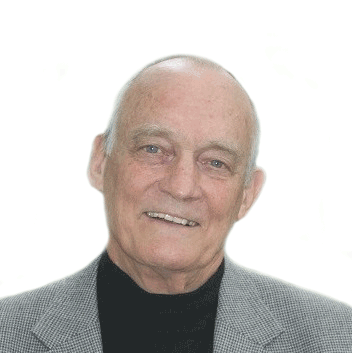
Robert L. Beckman, Ph.D.
Dr. Beckman has been building knowledge management systems most of his professional career, primarily in the Intelligence Community and DOD. He is currently helping to run the Clinical Trial researching TBI and PTSD in brain-injured wounded warriors. He is responsible for sustaining the national network of hyperbaric clinics as well as improving the technology platform for data collection and analysis. He is a former USAF KC-135 pilot and a Vietnam Veteran.
TreatNow.org
(571) 549-4258
beckmanr88@gmail.com
Contact TreatNow.org
https://treatnow.org/
Subscribe Now, It’s Free !
Recent HBOT News
Baseline vestibular and auditory findings in a trial of post-concussive syndrome
Abstract: Previous studies have reported high rates of auditory and vestibular-balance deficits immediately following head injury. This study uses a comprehensive battery of assessments to characterize auditory and vestibular function in 71 U.S. military service...
Decompression sickness among diving fishermen in Mexico: observational retrospective analysis of DCS in three sea cucumber fishing seasons.
The probabilities of decompression sickness (DCS) among diving fishermen are higher than in any other group of divers. Diving behavior of artisanal fishermen has been directed mainly to target high-value species. The aim of this study was to learn about the occurrence of DCS derived from sea cucumber harvesting in the Yucatán Peninsula, Mexico. We conducted a retrospective chart review of diving fishermen treated at a multiplace hyperbaric chamber in Tizimín, Mexico. In total, 233 recompression therapies were rendered to 166 diving fishermen from 2014 to 2016. The average age was 36.7 ± 9.2 years (range: 20-59 years); 84.3% had experienced at least one DCS event previously. There was a correlation between age and DCS incidents (F: 8.3; R2: 0.07) and differences in the fishing depth between seasons (H: 9.99; p⟨0.05). Musculoskeletal pain was the most frequently reported symptom. Three divers, respectively, suffered permanent hearing loss, spinal cord injury and fatal outcome. Diving fishermen experience DCS at an alarmingly high rate, probably due to the type of species targeted, given the requirements in each case. Understanding divers’ behaviors and their incentives while in pursuit of high-value species such as sea cucumber could help to find ways to mitigate health risks and help enforce regulation.
Cave canem: HBO₂ therapy efficacy on Capnocytophaga canimorsus infections: a case series.
Abstract: Dog bites are a frequent injury, but the incidence and type of lesions vary across countries. Although only few patients develop complications, the treatment of advanced injuries has a considerable medical, social and economic impact. A frequently isolated...