
HBOT Conversations:
Dr. Hemal Mehta & Fasting (Part 2)
Dr. Hemal Mehta, MD is a Medical Director and an Independent Medical Examiner who focuses on pain management through a Regenerative medicine approach. Dr. Mehta is Board Certified in Physical Medicine and Pain Management. He received his Doctor of Medicine Degree from Ross University School of Medicine and completed his residency at East Carolina. He is the Medical Director of Vibrant Health of North Carolina, Tennessee Integrative Pain Institute, and TN Integrative Healthcare: Musculoskeletal and Regenerative Center; additionally, Dr. Mehta is the attending physician at Nashville Regenerative Orthopedics. Dr. Mehta is the 2013 recipient of the Inaugural Patient Appreciation Award at Nashville Academy of Medicine, and the 2004 Research Resident of the Year for East Carolina University. Dr. Mehta has extensive experience with stem cell proliferation, and angiogenesis. He has incorporated Ozone Injection Therapy, PRP (Platelet-Rich Plasma) Injections, Hyperbaric Oxygen Therapy and Regenerative Matrix and Regenerative Medicine Procedures – to name a few – into his integrative wellness & longevity medical practices.
Watch the Podcast
di Girolamo & Dr. Mehta examine the use of Vitamin C IV therapy for cancer, and how the combination of Vitamin C IV therapy, fasting and oxygen therapy – especially in the form of Hyperbaric Oxygen Therapy – has been known to put patients in remission and completely eliminate some very serious cancers. Dr. Mehta describes Hyperbaric Oxygen as a “game changer” when adding it into a cancer treatment protocol. He explains that as doctors they are trained to look at chemotherapy first to treat cancer, but there are many holistic ways to help a cancer patient shrink the tumors, stop the spread and live a longer life. He agrees that HBOT would be a great option to help cancer patients on their healing journey.
Diet is another holistic way to treat cancer. A water fast that puts the body in a ketogenic state, or a ketogenic organic diet are all ranked high as ideal ways to use alternative, natural methods for cancer and pain relief.
Dr. Mehta tells a personal story of his past that involved his father’s diagnosis of papillary thyroid cancer, and how it was the holistic and natural methods Dr. Mehta recommended that gave him extended life. Vitamin C Therapy, consuming organic wheatgrass daily, and daily deep breathing techniques to increase oxygen levels all contributed to him living 3 years longer than his prognosis. After massive shrinkage of the tumors during those 3 years; his father was convinced by an Ocologist to undergo chemotherapy in hopes that it would completely eradicate the cancer from his body. The chemotherapy caused cardio toxicity and unfortunately ultimately lead to Dr. Mehta’s father passing away.
di Girolamo suggests that viewers watch Research Rundown Episode 16: The Ketogenic Diet and Hyperbaric Oxygen Therapy Prolong Survival in Mice with Systemic Metastatic Cancer. This is a popular Research Rundown where our host, Ed di Girolamo, analyzes a study led by researcher, Dominic D’Agostino. The benefit of combining ketogenic diet with Hyperbaric Oxygen Therapy (HBOT) for metastatic cancer treatment is some very exciting research in the world of HBOT, cancer research, and fasting! This particular research and Dominic’s involvement to help prove that cancer can be eliminated (and maybe even cured) by combining a heavy ketogenic diet and Hyperbaric Oxygen Therapy is further discussed in this HBOT News Conversations episode with Dr. Mehta.
*Pease consult your doctor to see if fasting is right for you.
Guest
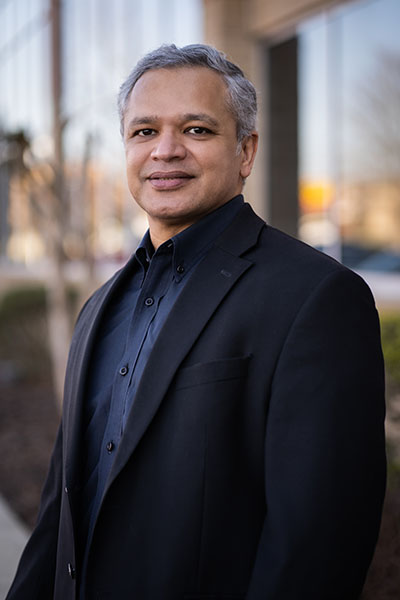
Dr. Hemal Mehta
Subscribe Now, It’s Free!
Recent HBOT News
Hyperbaric oxygen therapy restored traumatic stress-induced dysregulation of fear memory and related neurochemical abnormalities.
Individuals with posttraumatic stress disorder (PTSD) are characterized by fear memory problems and hypocortisolemia of which traumatic stress-induced monoaminergic disruption over infralimbic (IL) cortex is considered the key mechanism. Hyperbaric oxygen therapy (HBOT) has recently proven its utility in treating several mental disorders but remains unexplored for PTSD. The present study aimed to examine the effects of 5-day HBO paradigm on traumatic stress (single prolonged stress, SPS, an animal model of PTSD)-induced dysregulation of fear memory/anxiety profiles and related abnormalities in IL monoamines and plasma corticosterone.
Hyperbaric oxygen therapy is an effective adjunctive treatment for severe perianal Crohn’s disease
Abstract: BACKGROUND: Perianal involvement occurs in about 30% of children with Crohn's disease (CD). Treatment of perianal CD requires a multidisciplinary approach with a combination of immunomodulatory therapy, antibiotics and surgery. Hyperbaric oxygen...
Hyperbaric oxygen promotes neural stem cell proliferation by activating vascular endothelial growth factor/extracellular signal-regulated kinase signaling after traumatic brain injury.
Hyperbaric oxygen (HBO) therapy and neural stem cell (NSC) transplantation can improve traumatic brain injury (TBI) clinically. This study aimed to investigate the mechanism of HBO promoting NSC proliferation and neurological recovery after TBI. Twenty-four Sprague-Dawley rats were divided randomly into three groups: a sham group, a TBI group (constructed using Feeney’s free-fall method), and an HBO-treated TBI group. Neurological function was evaluated by Neurological Severity Scores on days 1, 3, and 7, and we found that TBI-induced poor neurological function was improved by HBO. On day 7 after TBI, we observed that TBI promoted NSC proliferation, migration to the lesion area, and the levels of vascular endothelial growth factor (VEGF), VEGFR2, Raf-1, MEK1/2, and phospho-extracellular signal-regulated kinase (ERK) 1/2 protein, which were further boosted by HBO, from immunohistochemistry, immunofluorescence, and Western blot experiments. In vitro, cell injury was applied to NSCs isolated from neonatal Sprague-Dawley rats by the Cell Injury Controller II system. Moreover, data from the BrdU Kit and Western blot showed that in-vitro HBO significantly accelerated NSC proliferation and the levels of proteins related to cell cycle and the VEGF/ERK pathway after cell injury, which was suppressed by the VEGFR2 inhibitor. Taken together, this study indicated that HBO may promote NSC proliferation by activating VEGF/ERK signaling and play a crucial role in neuroprotection after TBI.