
Special Report – Veterans and HBOT
The unfortunate truth is that countless veterans, just like Simon, repeatedly battle suicidal thoughts. They struggle from their battle wounds and PTSD with each passing minute.
These brave souls protected our country, and it’s beyond time that we protect their future. Thankfully there is hope in HBOT.
Watch the 30 Minute Special Report
Veterans are at especially high risk for suicide due to the injuries they’ve endured and the horrific images they’ve seen. Post-traumatic stress disorder (PTSD) and traumatic brain injury (TBI) rank high among the reasons why veterans are choosing death over living. But there is hope for new beginnings. Hyperbaric oxygen therapy (HBOT) is helping war veterans turn their lives around.
In this Special Report, Edward diGirolamo, host of the HBOT News Network, dives into HBOT and what the state of North Carolina is doing to help get veterans this life saving therapy. We hear from Melissa Spain, CEO of the Community Foundation of NC East, as she discusses their involvement to get NC Senate Bill 442 passed; a bill that has appropriated funds to provide HBOT to NC veterans who suffer from TBI and PTSD.
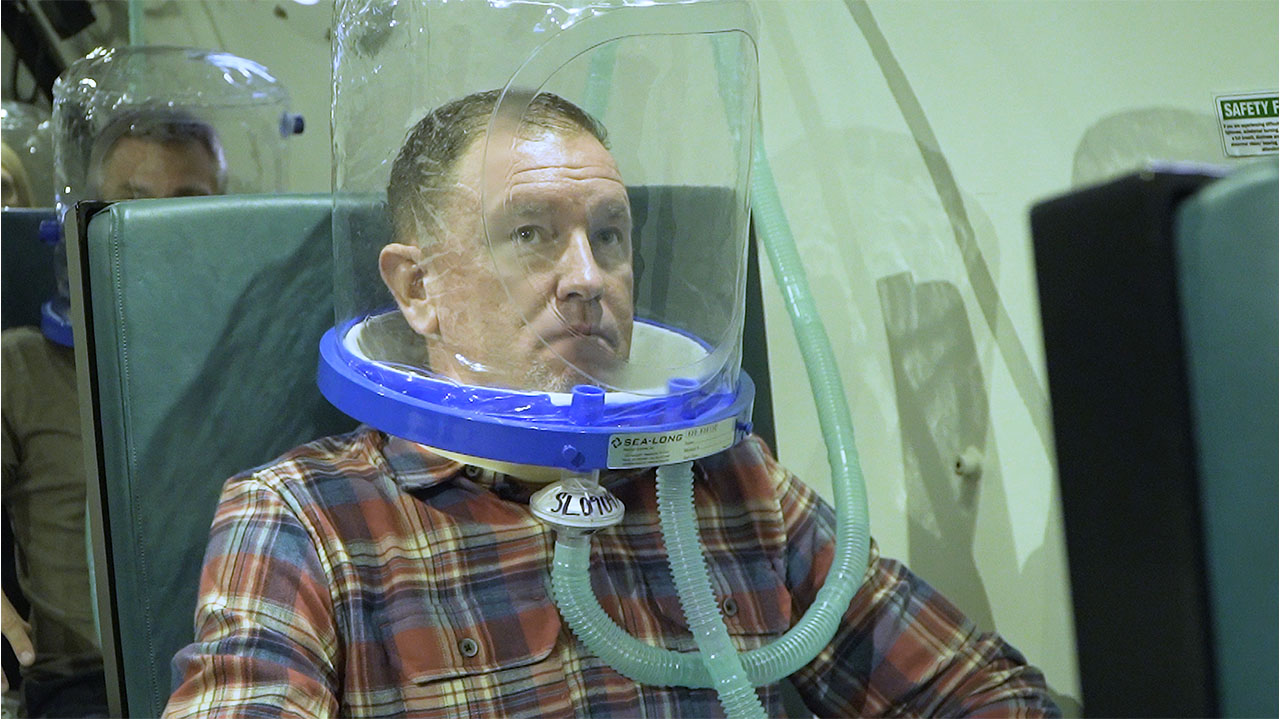
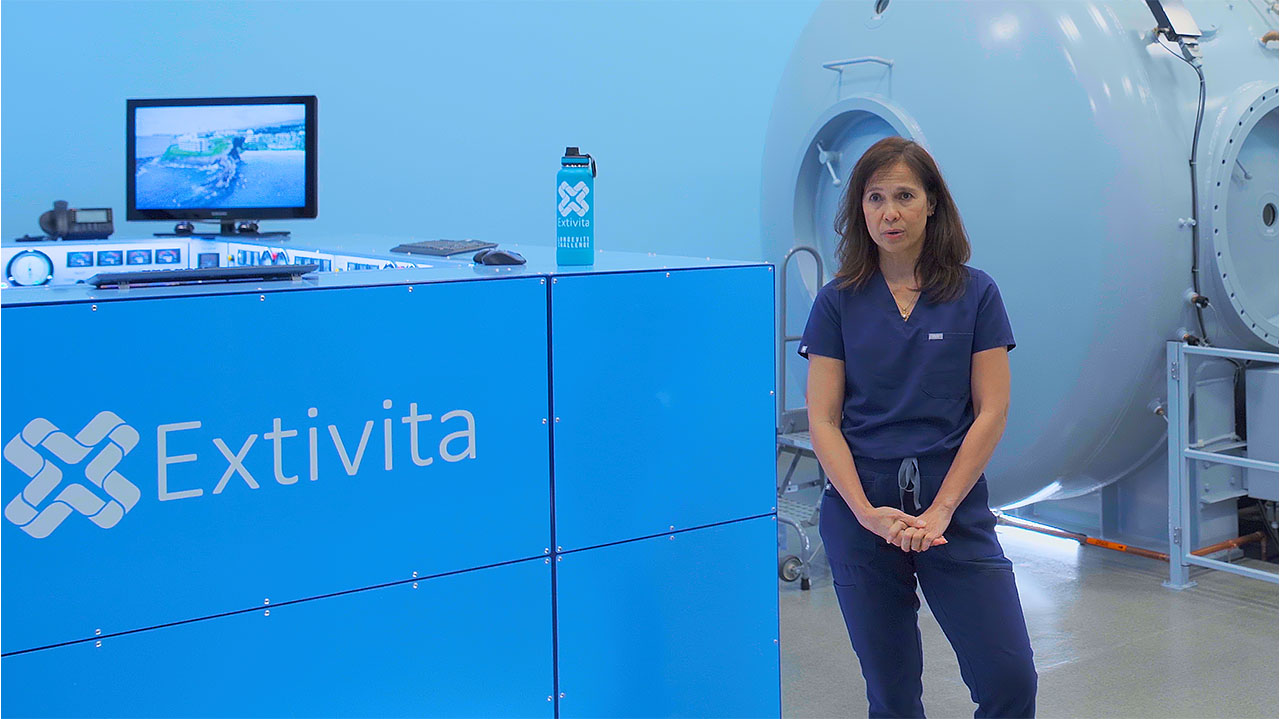
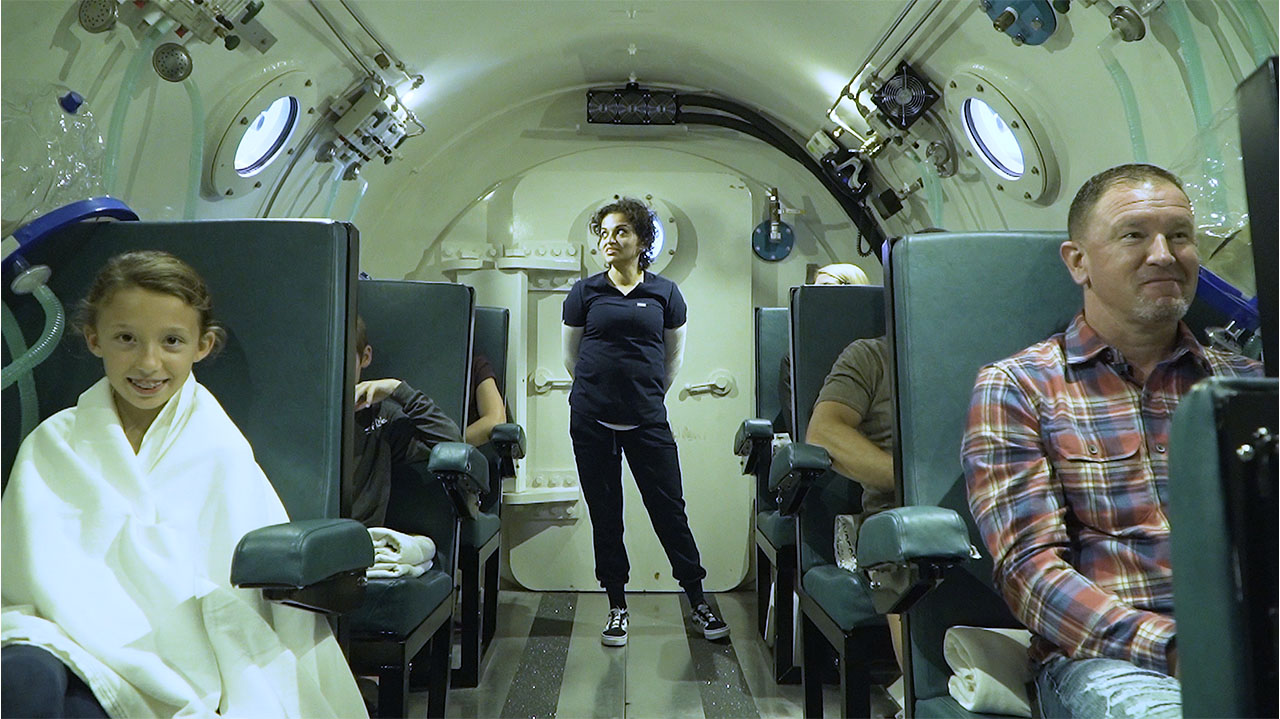
We are also greeted by Elena Schertz, Nurse Practitioner at Extivita-RTP in Durham, NC. Elena gives us a tour of their state-of-the-art clinic where soldiers are receiving HBOT. One of their veteran patients, Simon LeMay, agreed to share his story with us to help spread the hope that exists within the world of hyperbaric oxygen therapy.
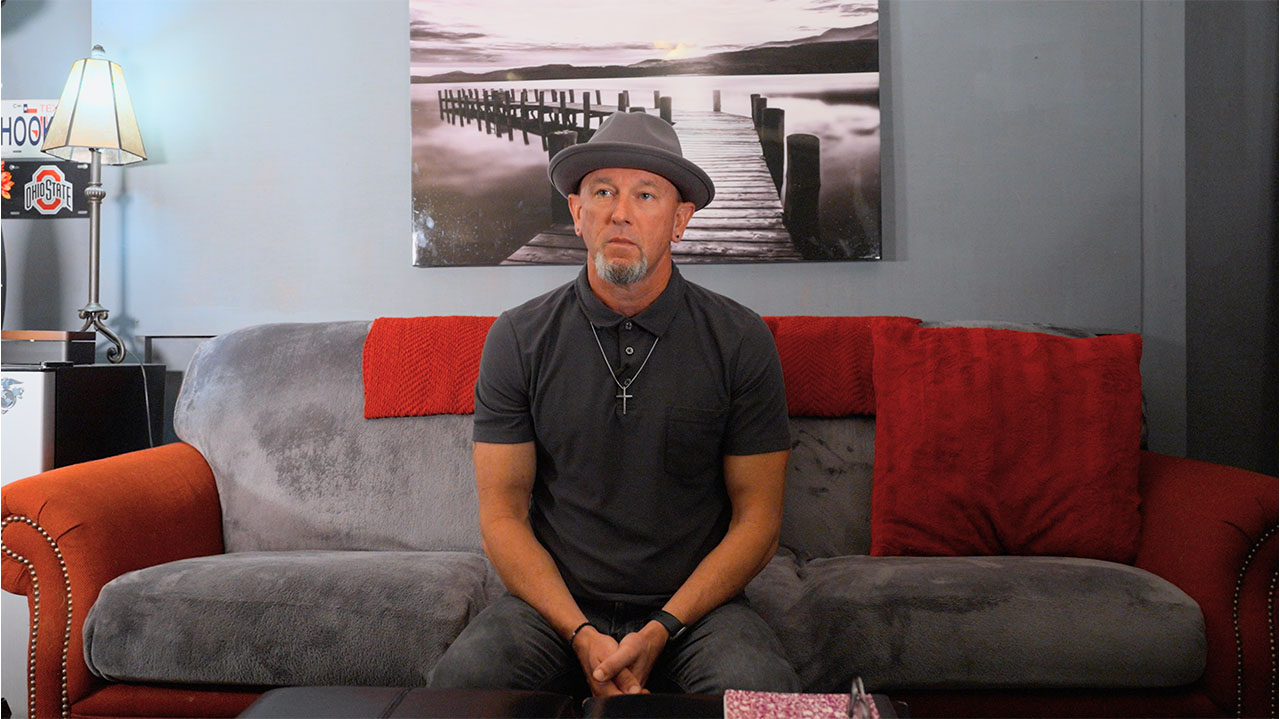
Meet a true American Hero, Simon LeMay, retired Sergeant Major with 25-years in the US Marine Corps. LeMay was deployed to Iraq and Afghanistan five times during a ten year period. He lost his best friend in battle and witnessed horrific incidents of violence and injury among his Marine bothers. Although LeMay was blessed to avoid serious physical injury to himself, he did come home with an invisible wound of war.
IED exposures left him with a TBI and visions of war and death haunted him with PTSD. Simon turned to alcohol and pain pills to ease the emotional and physical pain, leading him down a dark tunnel of depression and suicidal thoughts that almost ended in demise.
After hearing about it from friends, his loving family talked him into trying hyperbaric oxygen therapy to help heal his brain injuries. LeMay received treatment at Extivita- RTP in Durham, NC and states after 20-30 treatments he started realizing that he was once again “starting to feel emotion,” with the sense of worthlessness disappearing and the suicidal ideation being no more.
“I started looking forward to the next day,” Simon exclaims.
Also included in this Special Report is a raw and personal interview with Cate, Simon’s wife. Today she is thrilled with Simon’s progress, even calling hyperbaric oxygen therapy “God sent.”





Guest
Organizations
For more information about the guest organizations featured in this special, please click on the links.

North Carolina Hyperbaric Oxygen Therapy Clinic
Extivita RTP

NC HBOT for Veterans Program
The Community Foundation of NC East
Subscribe Now, It’s Free!
Recent HBOT News

Hyperbaric oxygen therapy for Alzheimer’s dementia with positron emission tomography imaging: a case report.
A 58-year-old female was diagnosed with Alzheimer’s dementia (AD) which was rapidly progressive in the 8 months prior to initiation of hyperbaric oxygen therapy (HBOT). Fluorodeoxyglucose (FDG) positron emission tomography (PET) brain imaging demonstrated global and typical metabolic deficits in AD (posterior temporal-parietal watershed and cingulate areas). An 8-week course of HBOT reversed the patient’s symptomatic decline. Repeat PET imaging demonstrated a corresponding 6.5-38% regional and global increase in brain metabolism, including increased metabolism in the typical AD diagnostic areas of the brain. Continued HBOT in conjunction with standard pharmacotherapy maintained the patient’s symptomatic level of function over an ensuing 22 months. This is the first reported case of simultaneous HBOT-induced symptomatic and FDG PET documented improvement of brain metabolism in AD and suggests an effect on global pathology in AD.
[The influence of hyperbaric oxygenation on the elastic properties of platelet membrane during spontaneous platelet aggregation in the patients presenting with cardiac co-morbidity].
Abstract: The authors present evidence of the significance and role of the disturbances in platelet hemostasis in pathogenesis of co-morbid cardiac pathology and the absence of the unambiguous opinion as regards the expediency of the application of hyperbaric...
A Rare Case of Cerebral Air Embolism Caused by Pulmonary Arteriovenous Malformation After Removal of a Central Venous Catheter.
Abstract: Cerebral air embolism following central venous catheter (CVC) removal is extremely rare. We report a case of cerebral air embolism with loss of consciousness after removal of CVC caused by pulmonary arteriovenous malformation (PAVM). Computed tomography...