
The Current Concussion Crisis Among Student Athletes
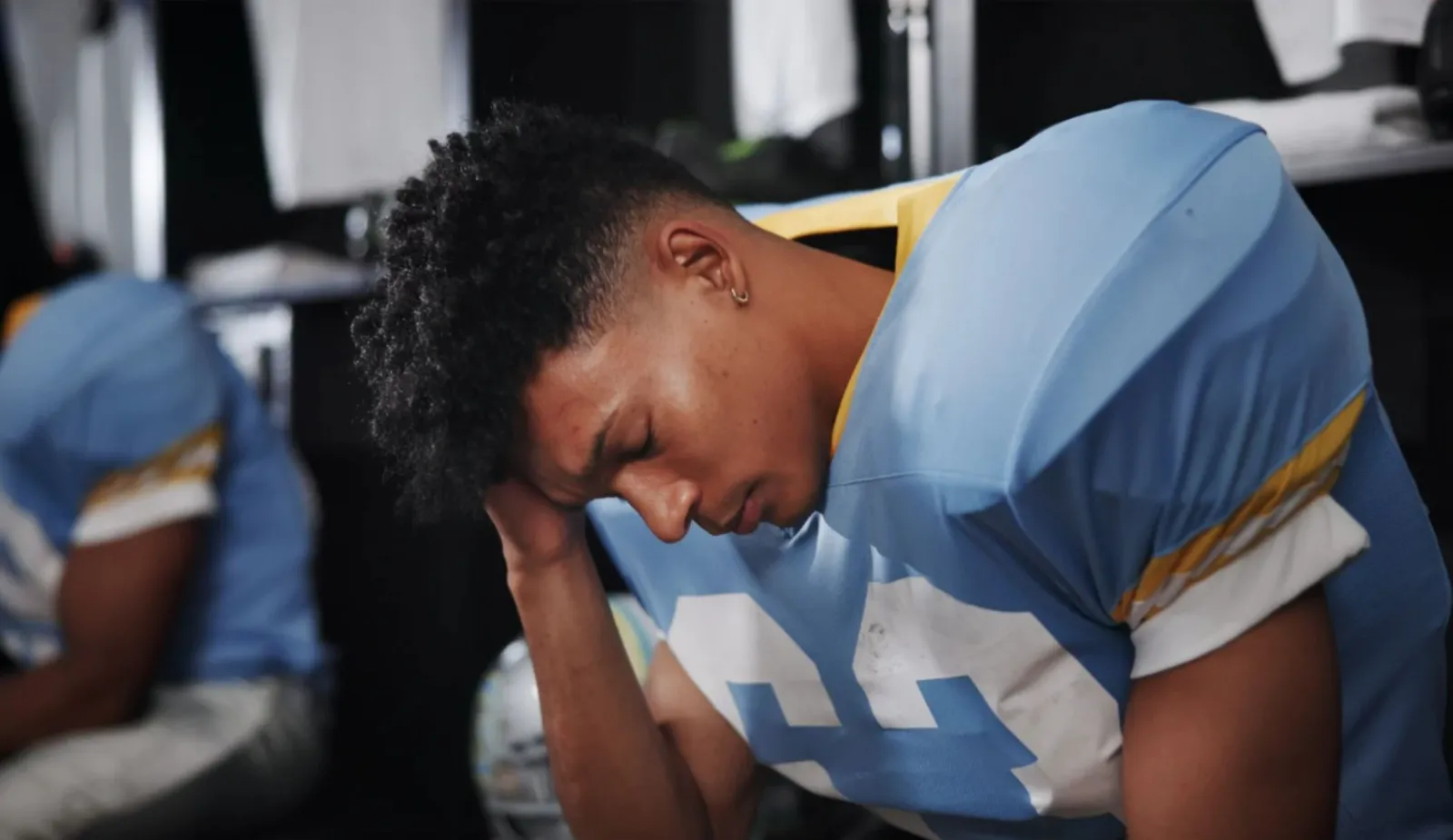
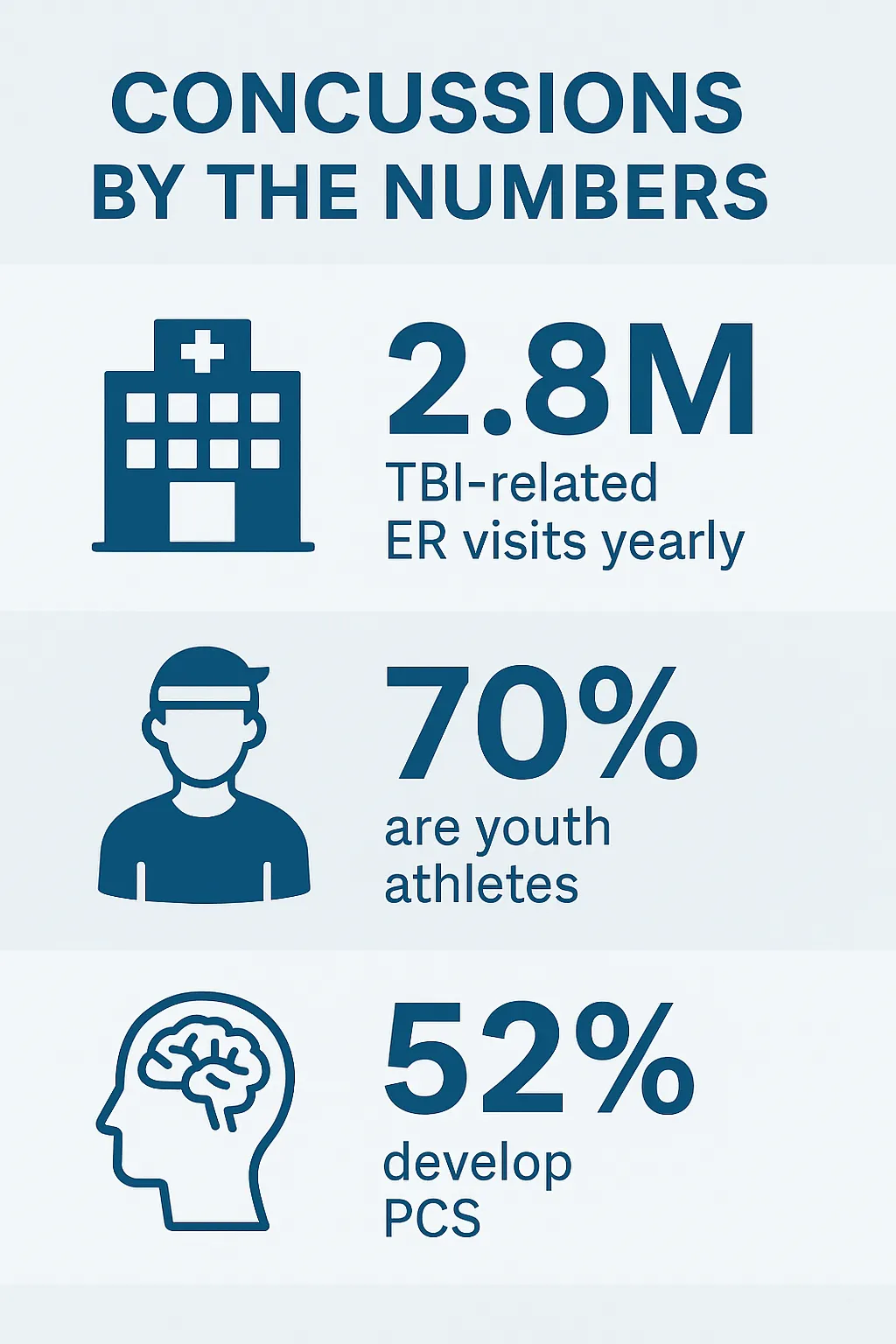
Concussions are a growing crisis in youth sports, affecting millions of student-athletes each year. In fact, about 7 out of 10 emergency department visits for sports- and recreation-related TBIs are among children ages 17 and under. From football and cheerleading to lacrosse and wrestling, no sport is immune.
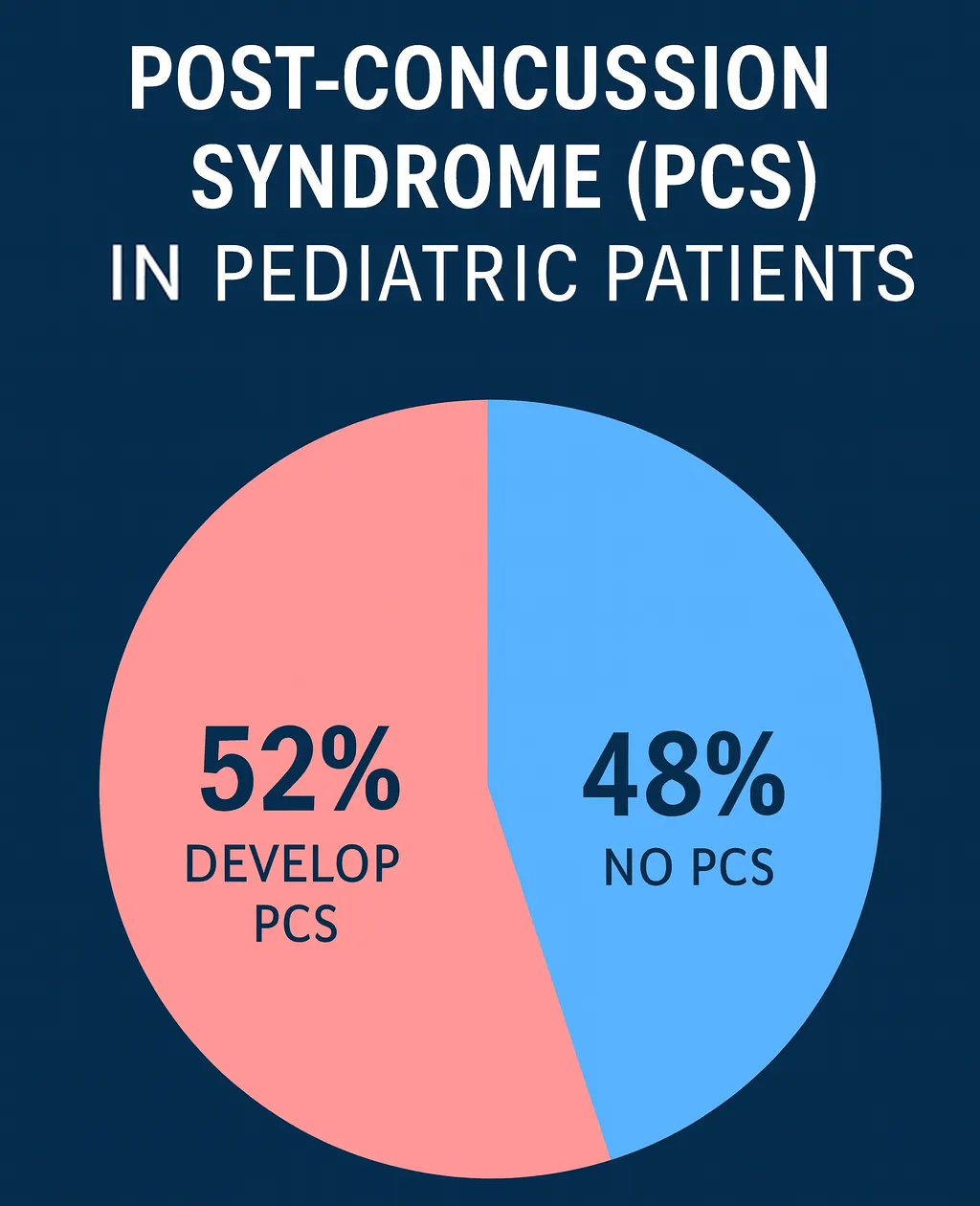
Yet most schools still rely on the outdated “rest and wait” method—a passive approach that does little to heal the brain. When concussions are managed this way, symptoms can linger for weeks or months, often leading to Post-Concussion Syndrome (PCS)—marked by brain fog, headaches, memory problems, anxiety, and sleep disturbances. Alarmingly, research shows that over half (52%) of pediatric concussion patients develop PCS, with symptoms lasting 28 days or longer.
A new study shows that Hyperbaric Oxygen Therapy (HBOT) can dramatically speed concussion recovery, offering hope for athletes and families.
The Effects of Leaving Concussions Untreated
When concussions are left untreated—or treated only with rest—young athletes may face prolonged symptoms like:
- Brain fog
- Headaches
- Memory problems
- Anxiety and sleep disturbances
- Long-term academic and cognitive difficulties
Without targeted recovery support, many young athletes go on to develop Post-Concussion Syndrome (PCS), where symptoms persist for weeks or months. The longer the brain remains in this state, the higher the risk of long-term effects.
Introducing the New Study on HBOT and Concussion Recovery
In a recent pilot study published by Undersea and Hyperbaric Medical Society, researchers explored how Hyperbaric Oxygen Therapy (HBOT) could improve concussion recovery in student-athletes.
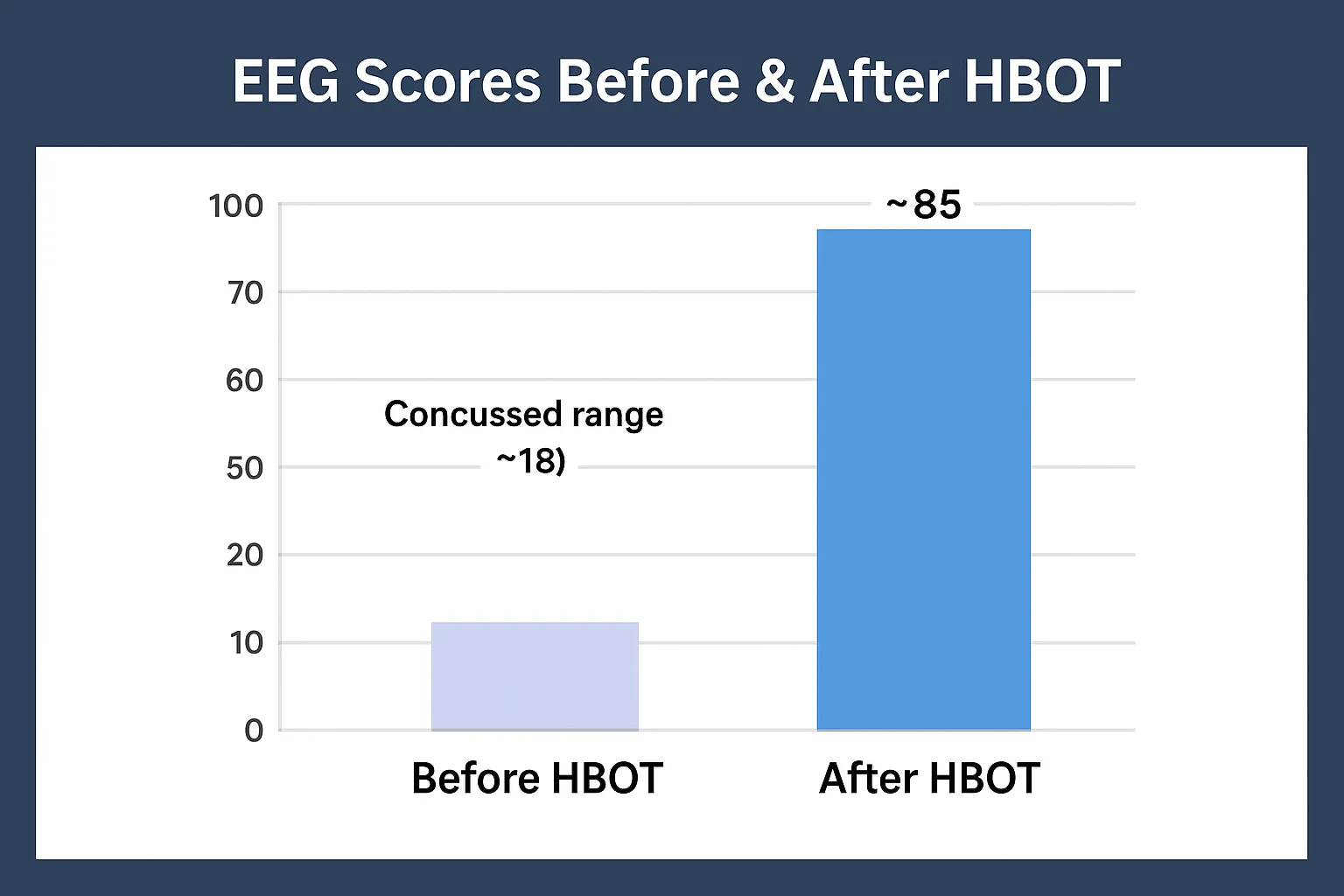
The study used an FDA-cleared EEG-based brain biomarker to objectively diagnose and track concussion severity before and after HBOT sessions. Eleven student-athletes (ages 14–21) with confirmed acute concussions were treated within 10 days of injury.
Study Highlights:
- 11 athletes (ages 14–21) treated within 10 days of concussion
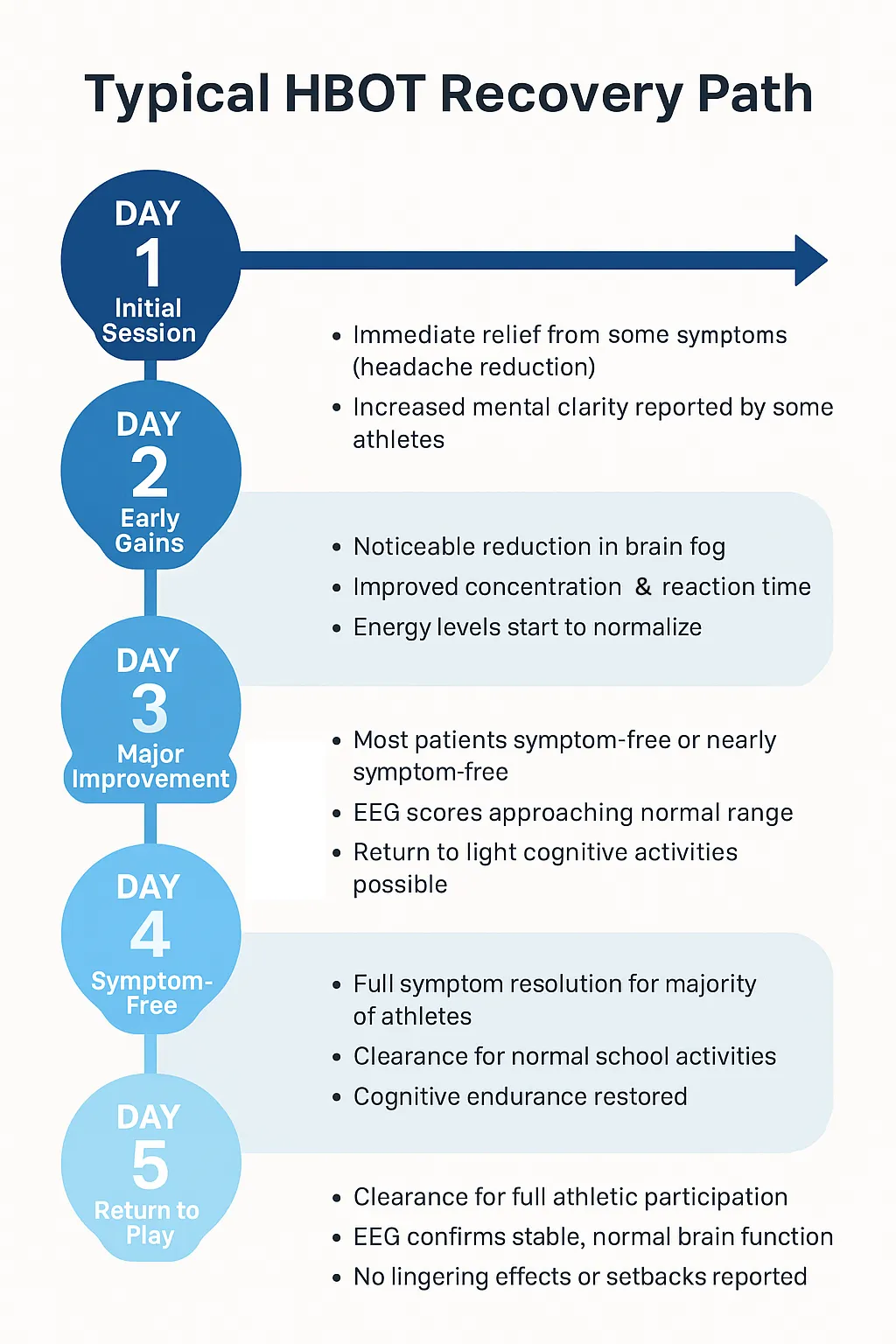
- Symptom-free in 2–5 days
- Median: 3 HBOT sessions for full recovery
- EEG scores improved from ~18 to ~
- No side effects reported
The EEG tool, Brainscope®, confirmed the brain’s recovery in real time. Some students improved after one session, and all resumed school, sports, and screen use with no lingering symptoms.
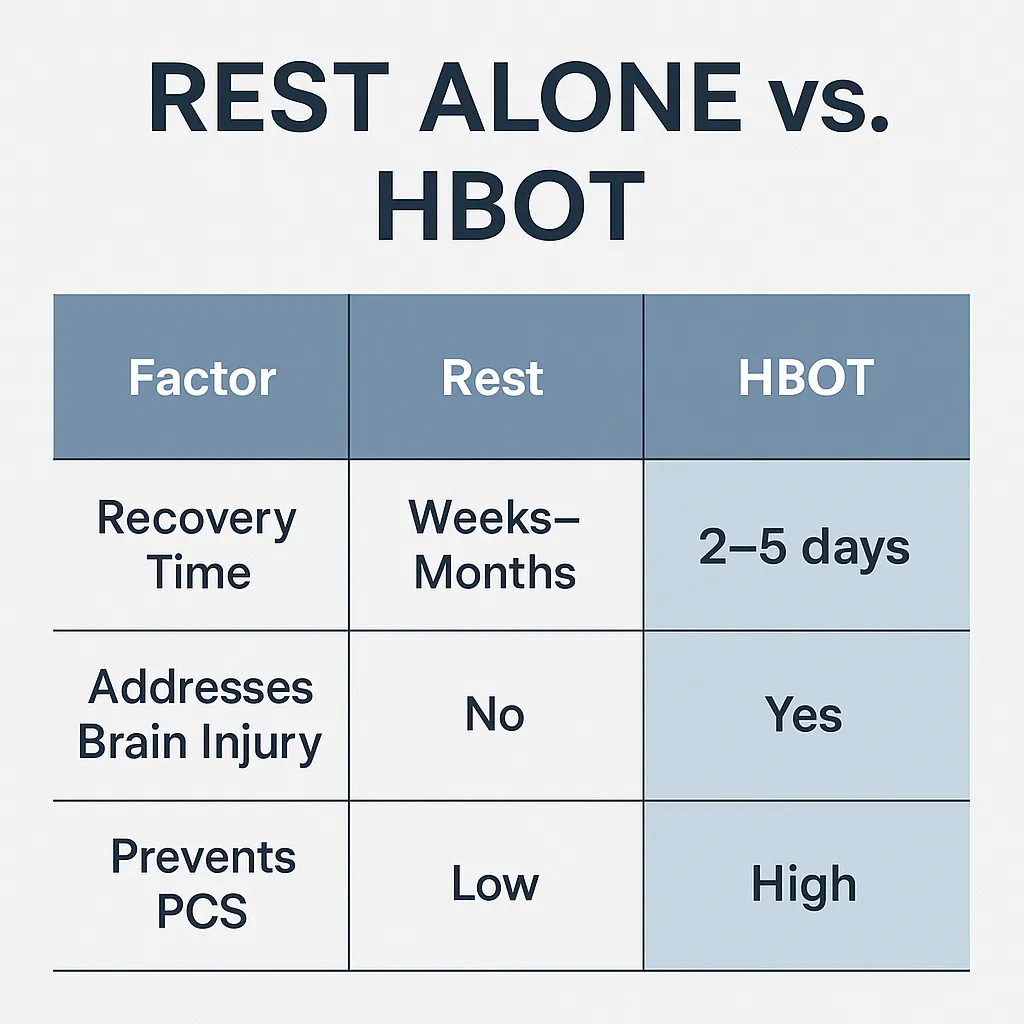
This is the first study to objectively show that HBOT can resolve acute concussions in youth faster than rest alone.
What This Means for Schools, Coaches, and Parents
This study is a game-changer. The days of passive rest and vague return-to-play timelines should be reconsidered. Concussion recovery protocols in schools need to evolve—fast.
What Parents & Coaches Should Do Now:
- Ask schools to consider integrating HBOT into their concussion protocols.
- If a student suffers a concussion, seek an HBOT clinic within 10 days for the best outcome.
- Monitor recovery using tools like EEG-based biomarkers—not just symptom checklists.
- Educate athletic staff and trainers about the proven safety and efficacy of HBOT for concussion recovery.
With HBOT, students recover faster, return to school sooner, and reduce the risk of long-term neurological damage. It’s not just a recovery tool—it’s a preventative investment in brain health.
Rethinking How We Treat Concussions
Concussions are not just “bumps on the head”—they are functional brain injuries that can derail academic performance, emotional well-being, and long-term neurological development.
Science is catching up, and the evidence is clear: treating concussions early—within 10 days of injury—dramatically increases the chance of full recovery. HBOT delivers oxygen under pressure directly to damaged brain tissue, resolving the brain’s post-injury “energy crisis,” reducing inflammation, and activating repair at the cellular level.
For parents, coaches, and school administrators, this is a call to action:
We must do more than wait and hope our student-athletes recover—we must intervene. Let’s equip our youth with the safest, fastest path to healing. The future of concussion recovery is here, and it starts with taking these injuries seriously. Our children’s brains are worth it.
References
- “Traumatic Brain Injury–Related Emergency Department Visits, Hospitalizations, and Deaths – United States, 2007 and 2013.” Centers for Disease Control and Prevention, Surveillance Summaries, 21 June 2017, www.cdc.gov/mmwr/volumes/66/ss/ss6609a1.htm.
- “Data on Sports and Recreation Activities.” Centers for Disease Control and Prevention, Centers for Disease Control and Prevention, 26 Aug. 2024, www.cdc.gov/heads-up/data/index.html.
- Sullivan, Lindsay, et al. “Trajectories of daily postconcussion symptoms in children.” Journal of Head Trauma Rehabilitation, vol. 39, no. 2, 18 Mar. 2024, https://doi.org/10.1097/htr.0000000000000878.
- Denham, MC, FACS, FACCWS, Daphne Watkins, and Menley A Denham. “EEG-based brain biomarker supports hyperbaric oxygen therapy for acute concussions.” Undersea & Hyperbaric Medicine, vol. 52, no. 2, pp. 81–92.