
HBOT Conversations:
Robert Beckman & NBIRR Study
Robert Beckman, Ph.D., Founder of the TreatNow Coalition in Arlington, Virginia, discusses the National Brain Injury Rescue Rehabilitation study focused on the use of Hyperbaric Oxygen Therapy for brain injuries. Beckman has a passion for data and helping veterans, which is what ultimately got him first involved in Hyperbaric Oxygen Therapy back in 2008. He was one of many, participating with an elite group of doctors and HBOT experts, who organized and oversaw the results of NBIRR, a multi-center HBOT trial for mild traumatic brain injury with post-concussive symptoms.
The TreatNow Coalition’s Mission is to Stop service member suicides by identifying and treating veterans and others suffering from brain wounds, TBI, PTSD, and Concussion.
Watch the Podcast
HBOT News podcast host, Edward di Girolamo, talks with guest, Robert Beckman, founder of Treatnow.org, who was instrumental in the compilation and release of The National Brain Injury Rescue and Rehabilitation Study – a multicenter observational study of hyperbaric oxygen for mild traumatic brain injury with post-concussive symptoms.
It took over a decade for that study to be completed and published. Once it was, it not only opened a door for veterans and others who were looking for a way to heal from head trauma, the NBIRR study ignited other studies to start, focusing solely on the safety & efficacy of Hyperbaric Oxygen Therapy for brain injuries.
Beckman discusses some of the challenges he has witnessed over the years, including the Army declaring that HBOT does not work. After combing through the data, Beckman states that their analysis is rooted in a “lie” about the sham they used in their study; everyone got better. This starts an in-depth conversation between di Girolamo and Beckman about the frustration of the government so easily dismissing HBOT, inflammation linked to PTSD, the stigma of PTSD being a personal and not a physical problem, the disappointment that most veterans don’t even know HBOT exists, and why more is not being done to heal our veterans from these invisible injuries of war.
Beckman proudly states that what started as nine clinics to treat veterans under the NBIRR study, has grown to about 135 clinics across the country that specialize in treating veterans with HBOT for free or reduced rates. Additionally, there are now a combined 12,500-plus success stories from these 135 clinics of individuals with TBI, PTSD, and mTBI who have completed 40 treatments/dives.
Beckman gives surgical statistics relating to HBOT and explains that by pre-oxygenating and post-oxygenating via hyperbaric chambers, patients can benefit from a 30-40% faster healing rate. He points out that countless professional athletes are now using hyperbaric oxygen therapy for faster recuperation to treat pain, injuries, and inflammation; and hyperbarics is being used all over the world right now for successfully treating COVID long-haulers. He states that COVID long-haulers are hypoxic suffering patients, and data exists that military personnel who have experienced the blow of an IUD are suffering in much of the same manner – it’s that lack of oxygen to the brain and all parts of the suffering body that HBOT helps.
di Girolamo asks the question so many of us are curious about, “If HBOT obviously works, why isn’t the military admitting to this? Why aren’t we using it more?” Beckman suggests we read this particular blog on his website that sheds much light on the subject, The Obvious Question: If HBOT works, why aren’t we using it?
Beckman reminds di Girolamo – and all of us – that this is a marathon. Yes, they’ve made great strides over the past two decades in education and research for hyperbaric oxygen therapy, but they still have a way to go. He continues to be optimistic that one day we’ll all witness our shared goal of eliminating the suicide epidemic by utilizing HBOT to thoroughly heal brain injuries.

Guest
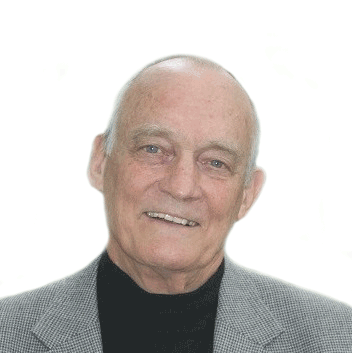
Robert L. Beckman, Ph.D.
Dr. Beckman has been building knowledge management systems most of his professional career, primarily in the Intelligence Community and DOD. He is currently helping to run the Clinical Trial researching TBI and PTSD in brain-injured wounded warriors. He is responsible for sustaining the national network of hyperbaric clinics as well as improving the technology platform for data collection and analysis. He is a former USAF KC-135 pilot and a Vietnam Veteran.
TreatNow.org
(571) 549-4258
beckmanr88@gmail.com
Contact TreatNow.org
https://treatnow.org/
Subscribe Now, It’s Free !
Recent HBOT News
Clinical Trial – Analgesic Efficacy of Two Adjuvants During Spinal Anaesthesia.
: Pain modulation is very important after operation, particularly for women who undergo
caesarean section. A pain-free postoperative period is essential following a caesarean
section so new mothers may care for and bond with their neonates. The consequences of the
improper pain management which raise the healthcare costs and prolong the recovery process.
Intrathecal adjuvants are often administered during this procedure to provide significant
analgesia, but they may also have bothersome side effects. Intrathecal midazolam and
magnesium sulfate produces effective postoperative analgesia with no significant side
effects.
Objectives: This prospective, randomized, double-blind study was designed to compare the
analgesic efficacy and safety of intrathecal midazolam vs. Magnesium sulfate vs plain
bupivacaine as an adjunct to bupivacaine in pregnancy patients scheduled for elective
caesarean section.
Iatrogenic cerebral gas embolism-A systematic review of case reports.
Abstract: Cerebral gas embolism is a complication of several medical procedures and occurs when gas enters the cerebral circulation. Knowledge about etiology and outcome in affected patients is limited, and prospective trials on management and treatment are hardly...
Clinical Trial – Continuous Spinal Anesthesia in Renal Transplantation
Renal transplantation is now recognized as a treatment of choice for patients with end-stage
renal disease. An adequate anesthetic technique should achieve hemodynamic stability and
enhance perfusion of the transplanted kidney. The aim of this study is to assess the use &
effects of continuous spinal anesthesia for kidney transplantation recipients, compared with
balanced general anesthesia.