
HBOT Conversations:
Elena Schertz & Extivita RTP
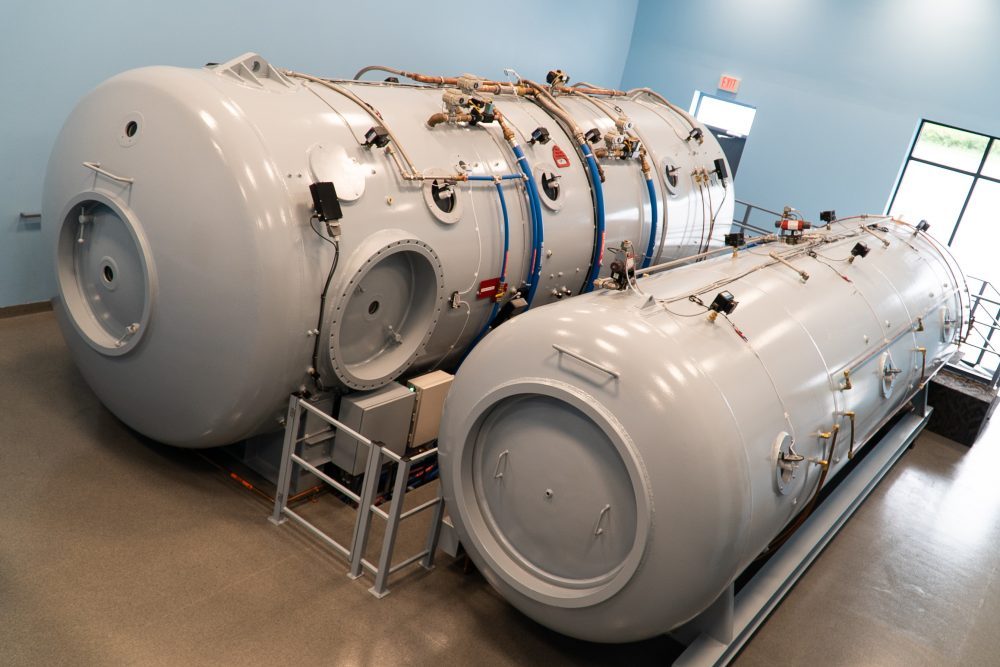
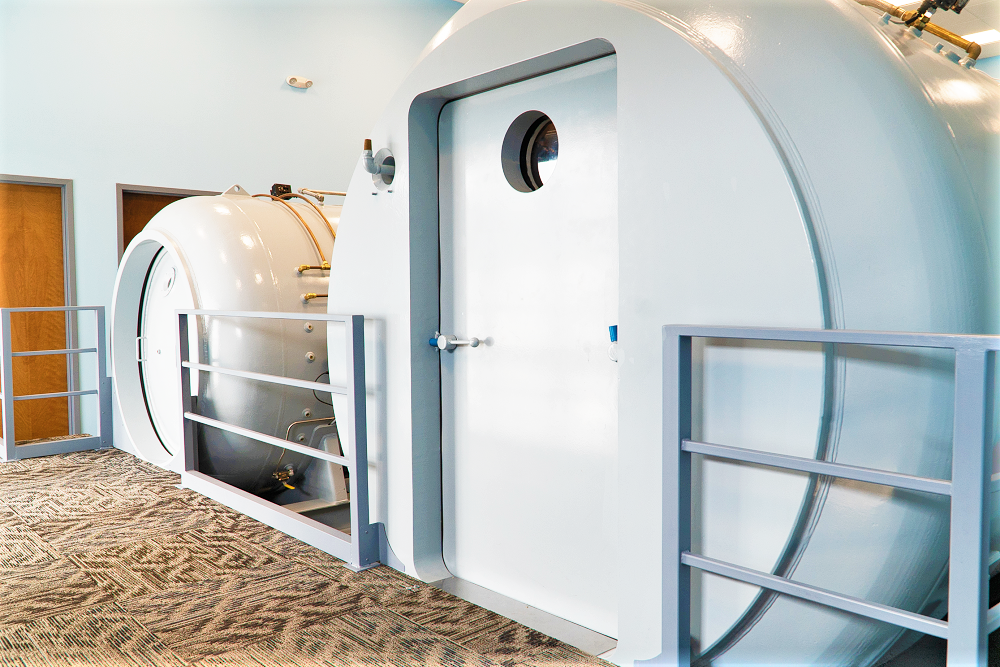
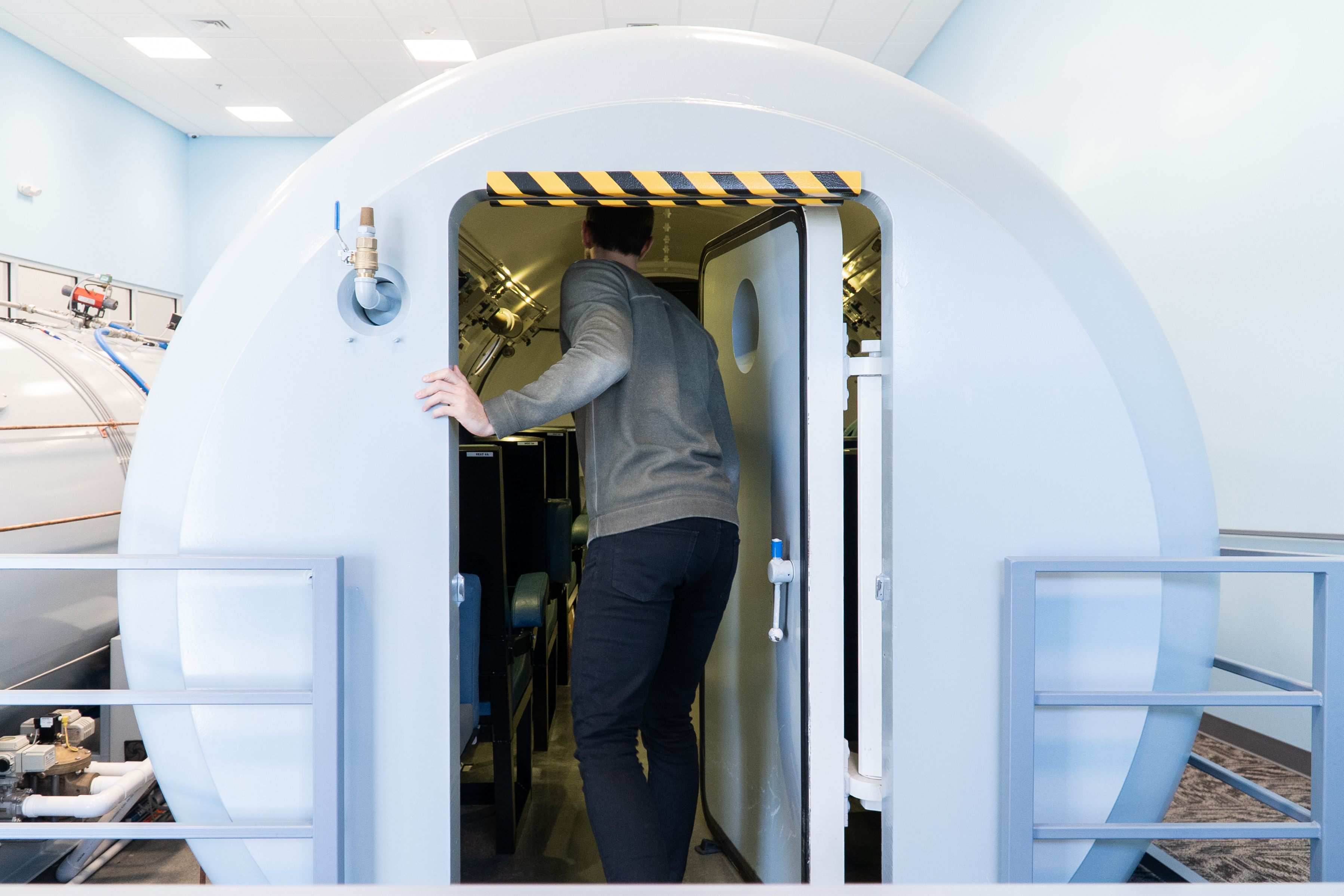
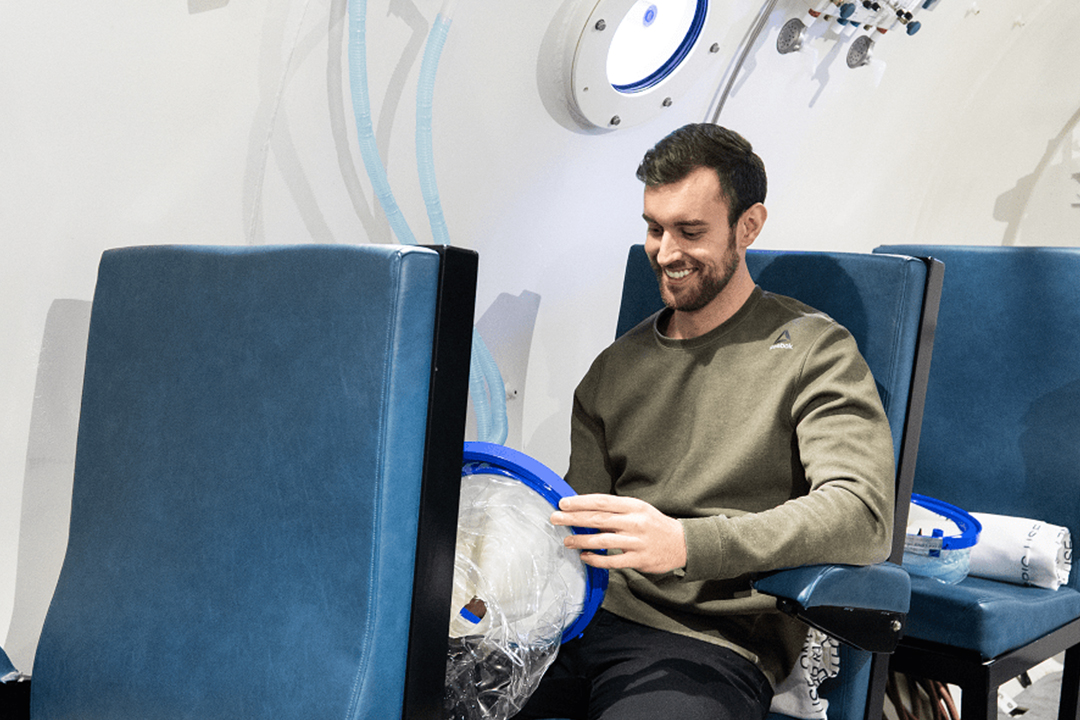
Elena Schertz, NP of Extivita-RTP in North Carolina, discusses how her clinic is actively healing the injured and sick with hyperbaric oxygen therapy (HBOT), including veterans, sports athletes and COVID long-haulers. She explains the proven benefits of HBOT – what it is, who are candidates for the therapy, and how each session saturates a patient’s blood plasma with oxygen for ultimate healing powers.
Extivita-RTP offers a positive environment for healing, and she encourages anyone seeking a better quality of life to come visit them and experience the wonder of hyperbaric oxygen therapy.
Watch the Podcast
HBOT News podcast host, Edward diGirolamo, talks with guest, Elena Schertz, NP of Extivita-RTP, about how her clinic is actively healing the injured and sick with hyperbaric oxygen therapy (HBOT), including veterans, sports athletes and COVID long-haulers. She explains the proven benefits of HBOT – what it is, who are candidates for the therapy, and how each session saturates a patient’s blood plasma with oxygen for ultimate healing powers.
Elena reveals their successes treating TBI and PTSD, and why the therapies at Extivita are even leading to the patient’s elimination of suicidal thoughts. Since veterans are at high risk of suicide due to the grave nature of combat, priority is being taken to treat these American heroes with HBOT at low or no cost. North Carolina’s veteran funding is discussed, while Elena expresses her hope that the state will eventually expand funding to include other beneficial therapies.
The topic of treating COVID long-haulers arise, and Elena makes a claim with absolute certainty that 99% of the COVID long-haulers who come through their doors are significantly better after going through HBOT sessions and nutritional IV regiments, with 95% of them eventually returning to their baseline.
Elena ends the podcast interview raving about her experienced clinical staff, explaining how they celebrate every milestone with their patients relishing in the rewards of making a difference and saving lives. They offer a positive environment for healing, and she encourages anyone seeking a better quality of life to come experience Extivita-RTP and the wonder of hyperbaric oxygen therapy.
Guest

Elena Schertz, NP - Clinic Manager at Extivita RTP
Elena attained her Bachelors of Science in Nursing from Michigan State University and received her Masters of Science in Nursing from Simmons University in Boston, MA. She has been practicing integrative medicine since 2010 and is currently working on her certification in functional medicine from the Institute of Functional Medicine.
Elena worked as a nurse in the pediatric oncology, cardiac, and surgical units at UNC hospitals for 15 years before deciding to work in integrative medicine. After years of working as a nurse, she decided to pursue her graduate degree, completing her masters with honors. She is board certified as a Family Nurse Practitioner (FNP) through the American Nurses Credentialing Center.
Elena’s passion for integrative medicine comes from her knowledge that the mind, body and psych/social/spiritual systems are not separate. The focus of Elena’s practice is to approach each of her patient’s healing process from the perspective of the whole, supported and grounded in safety and evidence-based medicine. She also maintains close consultative relationships with experts in the field to promote and enhance wellness for her patients. Elena joined the wonderful Extivita team in March 2019 and is thrilled to be a part of advancing health and wellness through hyperbaric medicine.
Extivita-RTP – Hyperbaric Oxygen Therapy Clinic
2012-D TW Alexander Drive
Durham, NC 27709
919-354-3775
919-354-3776
contact@extivita.org
https://www.extivita.org/
Subscribe Now, It’s Free !
Recent HBOT News

Increasing Veteran’s Access to Hyperbaric Oxygen Treatments
The new MISSION Act, passed by Congress last year, could pave the way for Hyperbaric Oxygen Therapy (HBOT) to be covered by the VA. In general, the act is making better healthcare more easily accessible to veterans. There are a couple of specific clauses, such as the...
Treatment of Traumatic Brain Injury With Hyperbaric Oxygen Therapy
Hyperbaric oxygen therapy (HBOT) is defined as the use of oxygen at higher than atmospheric pressure for the treatment of underlying disease processes and the diseases they produce. Modern HBOT in which 100% O2 is breathed in a pressurized chamber dates back to the 1930s, when it was first used for treatment of decompression illness in divers. There are currently 13 FDA-approved uses for HBOT, including decompression illness, gas gangrene, air embolism, osteomyelitis, radiation necrosis, and the most recent addition—diabetic ulcers. HBOT can dramatically and permanently improve symptoms of chronic TBI months or even many years after the original head injury. This assertion is generally met with skepticism within the medical establishment because we have been taught for generations that any post-concussion symptoms persisting more than 6 months or so after a head injury are due to permanent brain damage that cannot be repaired.
Clinical Trial – Comparison of Clorotekal and Bupivacaine for Short Obstetric Surgery
The following obstetric procedures are commonly performed with spinal anesthesia on labor and
delivery: bilateral tubal ligation, external cephalic version, cerclage insertion, cerclage
removal, minimally invasive fetal surgery, and evacuation of retained products of conception.
Bupivacaine is currently the standard spinal medication for these procedures because of its
long history of safe use, its low incidence of transient neurologic symptoms, and its ability
to provide a dependable, dense block with a high degree of maternal satisfaction. While
bupivacaine has the aforementioned advantages, it unfortunately has a long duration of
action, up to 240-380 minutes, which far exceeds the time necessary to complete most
obstetric procedures. Clorotekal®, the first Food and Drug Administration approved
chloroprocaine solution created for spinal injection, is a potential alternative. When
compared with bupivacaine spinals, chloroprocaine spinals have been shown to facilitate
clinically significant shorter times to resolution of motor and sensory block, first
ambulation, micturition, and discharge readiness. The objective of this study is to determine
if a strategy of spinal anesthesia with chloroprocaine will reduce the duration of motor
block, compared with equivalent block with hyperbaric bupivacaine..