
HBOT Conversations:
Dr. Hemal Mehta & Vibrant Health University
Dr. Hemal Mehta, MD is a Medical Director and an Independent Medical Examiner who focuses on pain management through a Regenerative medicine approach. Dr. Mehta is Board Certified in Physical Medicine and Pain Management. He received his Doctor of Medicine Degree from Ross University School of Medicine and completed his residency at East Carolina. He is the Medical Director of Vibrant Health of North Carolina, Tennessee Integrative Pain Institute, and TN Integrative Healthcare: Musculoskeletal and Regenerative Center; additionally, Dr. Mehta is the attending physician at Nashville Regenerative Orthopedics. Dr. Mehta is the 2013 recipient of the Inaugural Patient Appreciation Award at Nashville Academy of Medicine, and the 2004 Research Resident of the Year for East Carolina University. Dr. Mehta has extensive experience with stem cell proliferation, and angiogenesis. He has incorporated Ozone Injection Therapy, PRP (Platelet-Rich Plasma) Injections, Hyperbaric Oxygen Therapy and Regenerative Matrix and Regenerative Medicine Procedures – to name a few – into his integrative wellness & longevity medical practices.
Watch the Podcast
HBOT News Network welcomes back Dr. Hemal V. Mehta, M.D.; Medical Director of Vibrant Health of North Carolina. Dr. Mehta has joined HBOT News Network three times previously, where we focused heavily on the topics of fasting & regenerative medicine – see Dr. Mehta & Fasting, Dr. Mehta & Fasting (Part 2), and Dr. Mehta & Regenerative Medicine.
We are thrilled to have Dr. Mehta return to discuss Vibrant Health University. Vibrant Health University is a new start-up educational program through Vibrant Health. It is a way to help educate, not just the public, but also providers who are interested in performing regenerative therapies, regenerative injections, and providing an alternative to patients that’s not typically available.
Vibrant Health University wants to steer the medical field and general public away from the traditional heavy focus of pharmacology and surgical techniques; and educate people more on the integrative approaches available for regenerative therapies and regenerative treatments. What people can expect from Vibrant Health University (once it gets up and going), is a variety of online programs and podcasts they can watch. Then, if interested further, physicians can choose the option for an in-person educational program where Dr. Mehta or his team can visit the physician’s office (or the physician can visit them) and the physician can then witness live demonstrations, and learn how to do proper procedures for regenerative treatments, while incorporating their protocols into their treatment plans.
The courses at Vibrant Health University will be a structured program with a certification process. Dr. Mehta explains that they are planning to provide different tiers. For example, a lower tier, a medium tier, and a higher tier of education to providers based on their level of expertise, and based on how much knowledge they already have and how much they want to obtain. The ultimate goal of the program is to have the courses accredited by the appropriate certifying boards to count as continuing medical education for physicians.
Dr. Mehta & di Giralomo spend time discussing the importance of physician education, the continued benefits of fasting, and how to gain control of excessive inflammation.
Dr. Mehta remind us of Vibrant Health’s focus — to integrate traditional and non-traditional medicine to give each patient the best outlook and care. Ultimately, integrative medicine is integrating functional medicine and holistic therapies with what we’ve learned through history regarding how the human body works. God gave us everything we need to survive from the beginning of human life. Dr. Mehta ends this segment by explaining through the study of medicine, it’s incredibly difficult to not believe that there is a God or a higher power that has created this body. The human body is made to be able to tolerate all kinds of different injuries, in all kinds of different aspects of life, while adapting to the environment. There is absolutely no other machine that man has ever made that’s even similar to the divine healing capabilities of the human body.
If you’d like to know more about Vibrant Health University, please contact Vibrant Health at www.vibranthcs.com/contact/
Guest
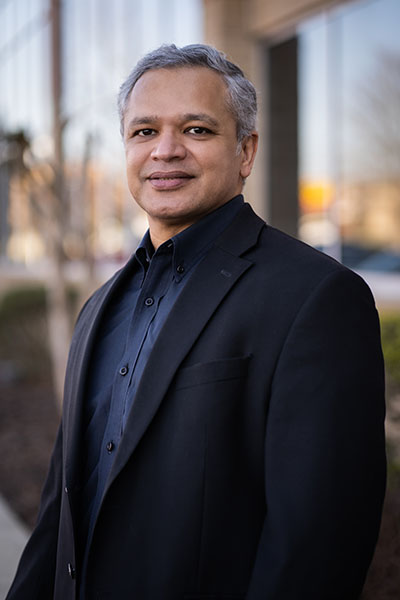
Dr. Hemal Mehta
Subscribe Now, It’s Free!
Recent HBOT News
Clinical Trial – Incidence of Postoperative Delirium in Cancer Patients After Laparoscopic Surgery in Trendelenburg Position
Postoperative delirium is an acute mental syndrome that is caused by diffuse cerebral
dysfunction resulting from the action of predisposing and precipitating factors acting
together. It is associated with an increase in mortality and postoperative morbidity and
prolongs the period of hospitalization of the patient Videolaparoscopic surgery has been
increasingly used as a therapeutic and diagnostic method. In order to have a good
visualization of the anatomical structures on which it will act, it is necessary to introduce
gas into the cavity, a mandatory component known as pneumoperitoneum. This technique gives
special characteristics for the conduction of anesthesia, since the positive intra-abdominal
pressure results in changes in the patient’s physiology. Some types of laparoscopic surgery
require the position of Trendelenburg for better visualization of the operative field. Among
the changes related to this position are the increase in cardiac output and intracranial
pressure.
In order to optimize the anesthetic procedure, anesthetic blocks have been increasingly used,
especially the spinal. The association of general anesthesia with spinal anesthesia, followed
by its contraindications is advantageous, because lower doses of anesthetic agents are
necessary for the maintenance of general anesthesia. This association results in an earlier
awakening, a reduction of nausea / vomiting, postoperative pain, length of hospital stay,
cost effectiveness and greater patient satisfaction. As a disadvantage, by associating
general anesthesia with spinal anesthesia, patients become susceptible to the adverse events
of spinal anesthesia. Among these, the most common are headache, hypotension, nausea and
vomiting, pruritus, urinary retention and tremor. Performing spinal anesthesia with opioids
alone, without the use of local anesthetic is also possible, with morphine being the most
used. The benefit of this variation of technique is analgesia for a period of 12 to 24 hours,
without the cardiovascular consequences resulting from the action of the local anesthetic.
JUSTIFICATION: There are no studies in the literature evaluating The objective of this study
is to analyze if the anesthetic techniques employed, general anesthesia or general anesthesia
associated with subarachnoid block, for videolaparoscopic oncologic surgeries, in
Trendelenburg position, differ in relation to the incidence of delirium in the postoperative
period.
Incense burning smoke sensitizes lung cancer cells to EGFR TKI by inducing AREG expression.
Abstract: Incense burning is common in Asian countries due to the religious beliefs. Environmental exposure to incense burning smoke is a potential risk factor for tumor development and progression of non-small cell lung cancer (NSCLC). Eastern Asia ethnic origin is...
A diver with immersion pulmonary oedema and prolonged respiratory symptoms.
Abstract: Immersion pulmonary oedema (IPE) is particularly associated with an excessive reaction to exercise and/or cold stress. IPE usually resolves without recompression therapy within a day or two. Herein we report a diver diagnosed with IPE, in whom symptoms...