
HBOT Conversations:
Dr. Hemal Mehta & Vibrant Health University
Dr. Hemal Mehta, MD is a Medical Director and an Independent Medical Examiner who focuses on pain management through a Regenerative medicine approach. Dr. Mehta is Board Certified in Physical Medicine and Pain Management. He received his Doctor of Medicine Degree from Ross University School of Medicine and completed his residency at East Carolina. He is the Medical Director of Vibrant Health of North Carolina, Tennessee Integrative Pain Institute, and TN Integrative Healthcare: Musculoskeletal and Regenerative Center; additionally, Dr. Mehta is the attending physician at Nashville Regenerative Orthopedics. Dr. Mehta is the 2013 recipient of the Inaugural Patient Appreciation Award at Nashville Academy of Medicine, and the 2004 Research Resident of the Year for East Carolina University. Dr. Mehta has extensive experience with stem cell proliferation, and angiogenesis. He has incorporated Ozone Injection Therapy, PRP (Platelet-Rich Plasma) Injections, Hyperbaric Oxygen Therapy and Regenerative Matrix and Regenerative Medicine Procedures – to name a few – into his integrative wellness & longevity medical practices.
Watch the Podcast
HBOT News Network welcomes back Dr. Hemal V. Mehta, M.D.; Medical Director of Vibrant Health of North Carolina. Dr. Mehta has joined HBOT News Network three times previously, where we focused heavily on the topics of fasting & regenerative medicine – see Dr. Mehta & Fasting, Dr. Mehta & Fasting (Part 2), and Dr. Mehta & Regenerative Medicine.
We are thrilled to have Dr. Mehta return to discuss Vibrant Health University. Vibrant Health University is a new start-up educational program through Vibrant Health. It is a way to help educate, not just the public, but also providers who are interested in performing regenerative therapies, regenerative injections, and providing an alternative to patients that’s not typically available.
Vibrant Health University wants to steer the medical field and general public away from the traditional heavy focus of pharmacology and surgical techniques; and educate people more on the integrative approaches available for regenerative therapies and regenerative treatments. What people can expect from Vibrant Health University (once it gets up and going), is a variety of online programs and podcasts they can watch. Then, if interested further, physicians can choose the option for an in-person educational program where Dr. Mehta or his team can visit the physician’s office (or the physician can visit them) and the physician can then witness live demonstrations, and learn how to do proper procedures for regenerative treatments, while incorporating their protocols into their treatment plans.
The courses at Vibrant Health University will be a structured program with a certification process. Dr. Mehta explains that they are planning to provide different tiers. For example, a lower tier, a medium tier, and a higher tier of education to providers based on their level of expertise, and based on how much knowledge they already have and how much they want to obtain. The ultimate goal of the program is to have the courses accredited by the appropriate certifying boards to count as continuing medical education for physicians.
Dr. Mehta & di Giralomo spend time discussing the importance of physician education, the continued benefits of fasting, and how to gain control of excessive inflammation.
Dr. Mehta remind us of Vibrant Health’s focus — to integrate traditional and non-traditional medicine to give each patient the best outlook and care. Ultimately, integrative medicine is integrating functional medicine and holistic therapies with what we’ve learned through history regarding how the human body works. God gave us everything we need to survive from the beginning of human life. Dr. Mehta ends this segment by explaining through the study of medicine, it’s incredibly difficult to not believe that there is a God or a higher power that has created this body. The human body is made to be able to tolerate all kinds of different injuries, in all kinds of different aspects of life, while adapting to the environment. There is absolutely no other machine that man has ever made that’s even similar to the divine healing capabilities of the human body.
If you’d like to know more about Vibrant Health University, please contact Vibrant Health at www.vibranthcs.com/contact/
Guest
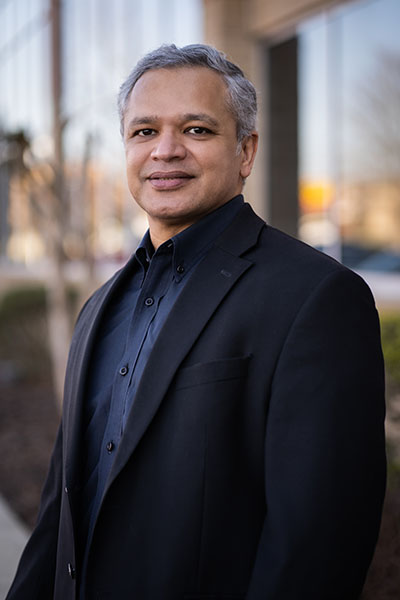
Dr. Hemal Mehta
Subscribe Now, It’s Free!
Recent HBOT News
Differences in Cognitive Function of Rats with Traumatic Brain Injuries Following Hyperbaric Oxygen Therapy.
Abstract: BACKGROUND Hyperbaric oxygen (HBO) is a historical therapeutic option in the treatment of various types of brain damage. At present, clinical treatment of hypoxic-ischemic injury is giving priority to cognitive training. The effects of HBO on cognitive...
Clinical Trial – Hyperbaric Bupivacaine Versus Hyperbaric Prilocaine 2% for Cesarean Section Under Spinal Anesthesia
Over the past 15 years, cesarean delivery is most commonly performed under spinal anesthesia
using hyperbaric bupivacaine which provides an adequate sensory and motor block. Despite
effective surgical anesthesia, bupivacaine is associated with long duration motor block and
dose-dependent maternal hypotension potentially harmful for the fetus. Prilocaine with its
new 2% hyperbaric formulation (HP), developed recently, showed rapid onset of action and
faster regression of motor block compared to other local anesthetics without noteworthy
side-effects when used intrathecally. The aim of this randomized, multicenter, powered
clinical trial is to investigate whether HP may be an efficient alternative to hyperbaric
bupivacaine for scheduled caesarean delivery under spinal anesthesia, with more rapid
rehabilitation and less adverse effects. Our hypothesis is that hyperbaric prilocaine offers
shorter motor block and more rapid rehabilitation than bupivacaine.
Hyperbaric Oxygen Therapy Effects on Chronic Wounds.
Abstract: Bolton, , , , , , , , (2015). Hyperbaric Oxygen Therapy Effects on Chronic Wounds. Wounds : a compendium of clinical research and practice, 2015 Dec;27(12):354-5. https://www.ncbi.nlm.nih.gov/pubmed/27447108