
HBOT Conversations:
Elena Schertz & Tom Fox
(Part 5) – COVID
Elena Schetz, NP is the nurse practitioner, and Tom Fox is the Safety Director at Extivita-RTP. Extivita-RTP offers a positive environment for healing, and they encourage anyone seeking a better quality of life to come visit them and experience for themselves the wonder of Hyperbaric Oxygen Therapy.
Watch the Podcast
In a Special 5-part series with Extivita’s Nurse Practitioner, Elena Schertz, and Safety Director, Tom Fox, we dive into the extraordinary powers of HBOT, and the healing they have witnessed for a variety of conditions. The following segments prelude this episode:
Part 1 – HBOT for PTSD (veteran focus)
Part 2 – Concussions & HBOT
Part 3 – Healing Heart Disease with HBOT
Part 4 – Cancer & Cerebral Palsy
In this final episode, we discuss COVID, and how long-haulers are finally finding relief in Hyperbaric Oxygen Therapy.
Host di Girolamo starts the conversation explaining that people who suffer from brain fog, oxygen shortages, and fatigue are discovering that HBOT is providing them relief. Tom chimes in that early oxygen delivery and pre-hospitalization was something the Italians saw in COVID as it progressed, and they discovered the role of HBOT in the acute care stage of COVID. The Italians witnessed patients who were heading in the wrong direction being released from the hospital after only 5 hyperbaric oxygen therapy treatments. The role of hyperbaric oxygen in COVID cases is incredible. Tom reminds us that only about 1,400 of the 6,500 hospital in the US have HBOT chambers, meaning that it is not a standard of care.
Studies out of Britain state ten HBOT treatments are ideal for COVID patients to witness a complete turn-around, and they get their lives back in two weeks. Tom explains that 40% of their patients are long-haul COVID and they’re coming to a HBOT clinic because there’s no other option. Hyperbaric Oxygen Therapy DOES return a COVID patient back to their baseline.
Chronic, or long-haul COVID patients (someone who has been dealing with symptoms for months or years) will likely need more treatments, but there is still so much hope. Elena says that the long-haul COVID patients who have come to see her have all improved. Elena has seen some long-haul COVID patients get better in as little as 4 treatments, and then there are some patients who need 40 treatments. Just like how everyone responds to COVID differently, the same goes for HBOT to treat COVID. There’s no magic number; but if you get in quicker then it’s more likely you won’t need as many treatments. In the end, it’s important to simply know that HBOT hands-down does help COVID patients, and it’s worth a try.
“Elena states, “I want to say it’s kind of easily fixed, you know, the fatigue. I’ve seen it over and over again. Until somebody comes in and disputes that or I see that, then I’ll keep saying, yeah, it really is very effective. I’ve seen it 100% of the time. It really is 100%”
And then there are the vaccine injuries. Tom stresses that he believes in the power of vaccines, he his definitely not an anti-vaxxer. But, when he looks at what’s going on in the world today it’s concerning. If you were to document a vaccine injury right now, it’s almost like the kiss of death to anybody that reaches out to challenge vaccines.
“We’re downplaying the VAER system. You know, in the current vaccine, with the number of reactions that we’ve seen with the current vaccine, previous vaccines would have been taken off the market.
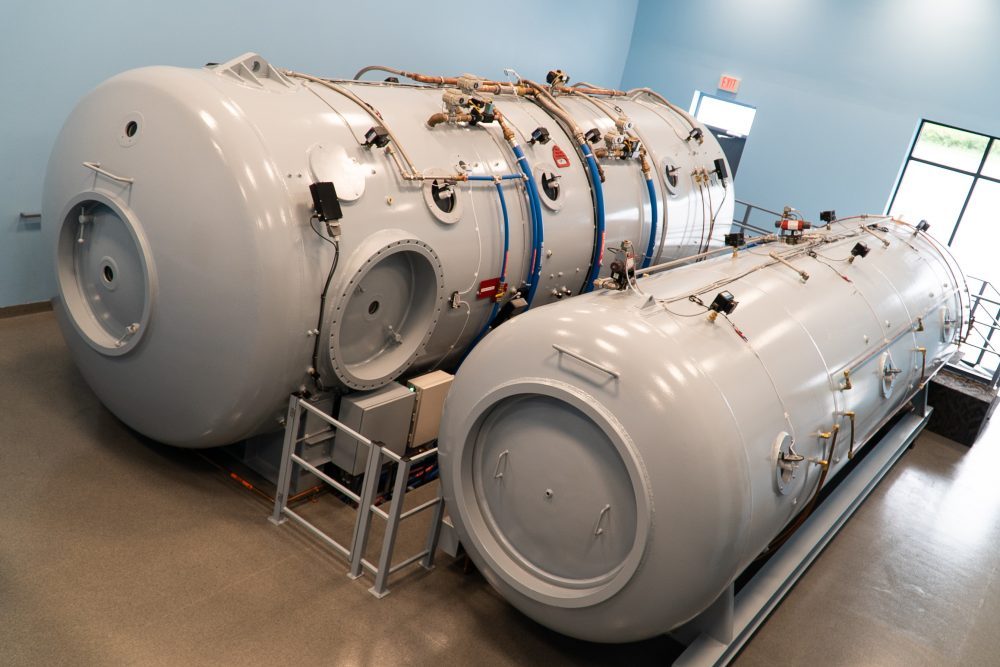
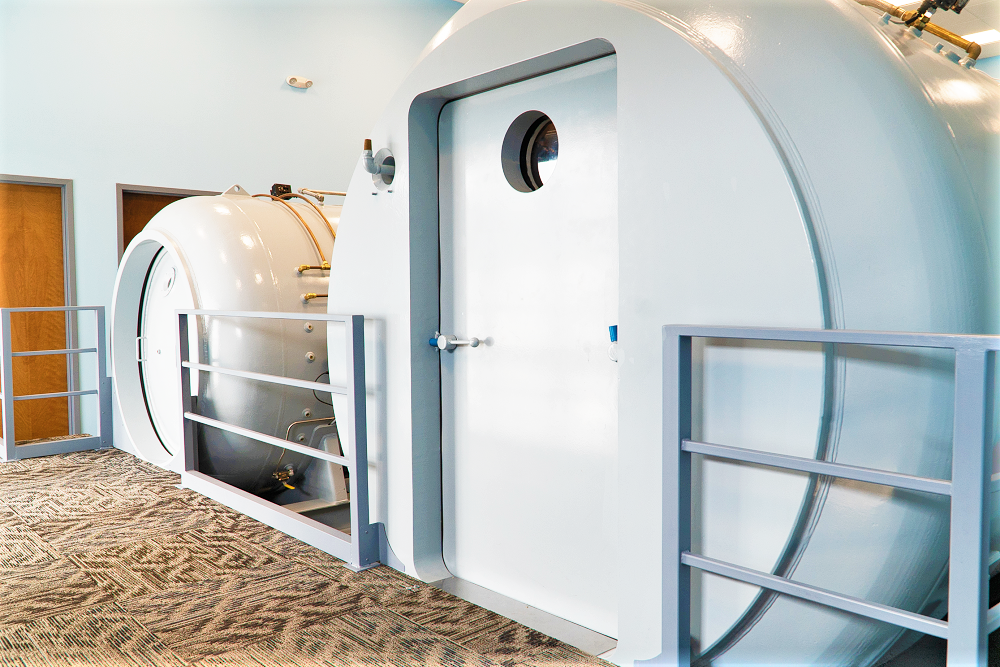
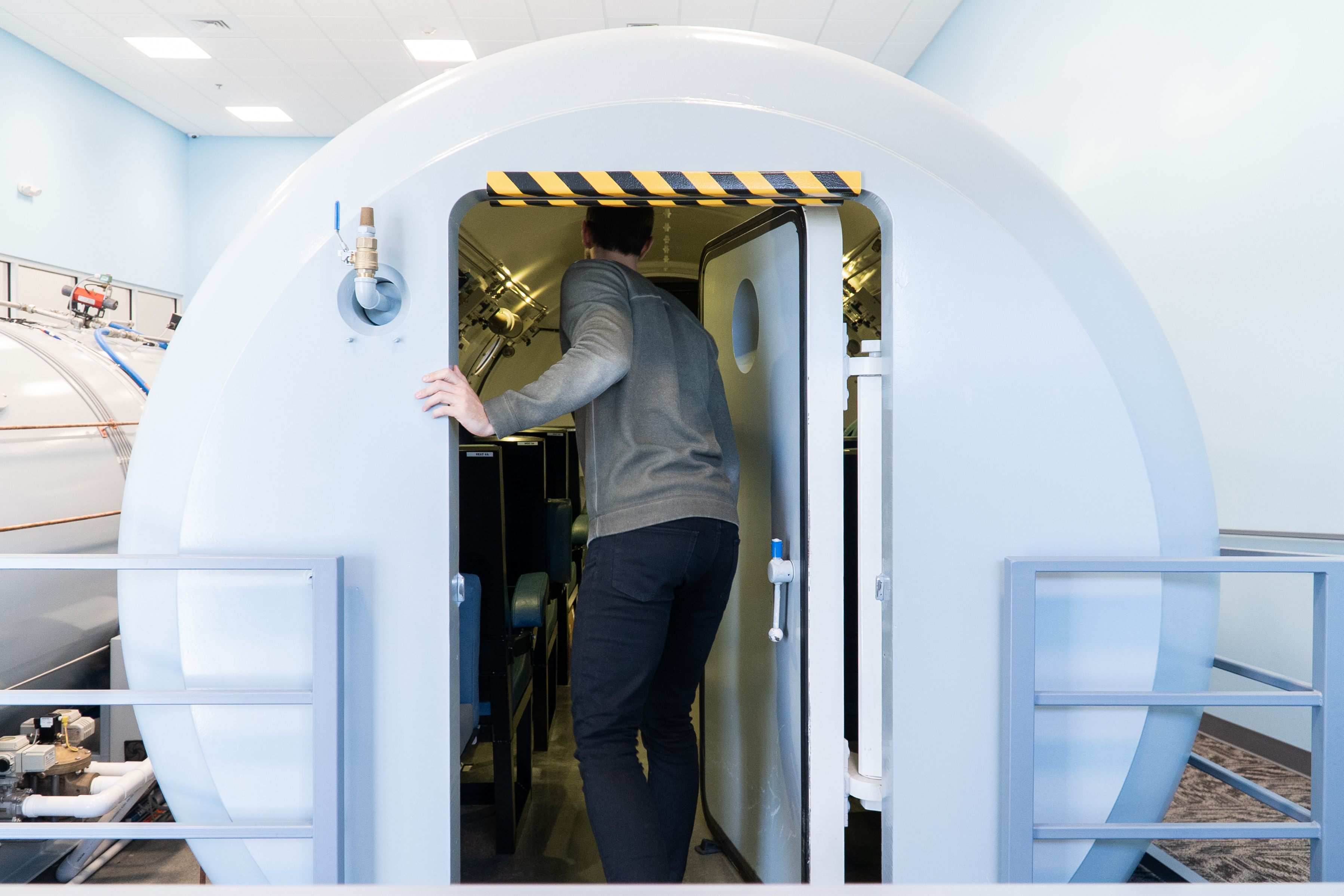
HBOT News appreciates Tom and Elena joining us in our Conversations podcast and invites you to check out their clinic, Extivita-RTP if you are ever in the Raleigh, NC area.
Guests

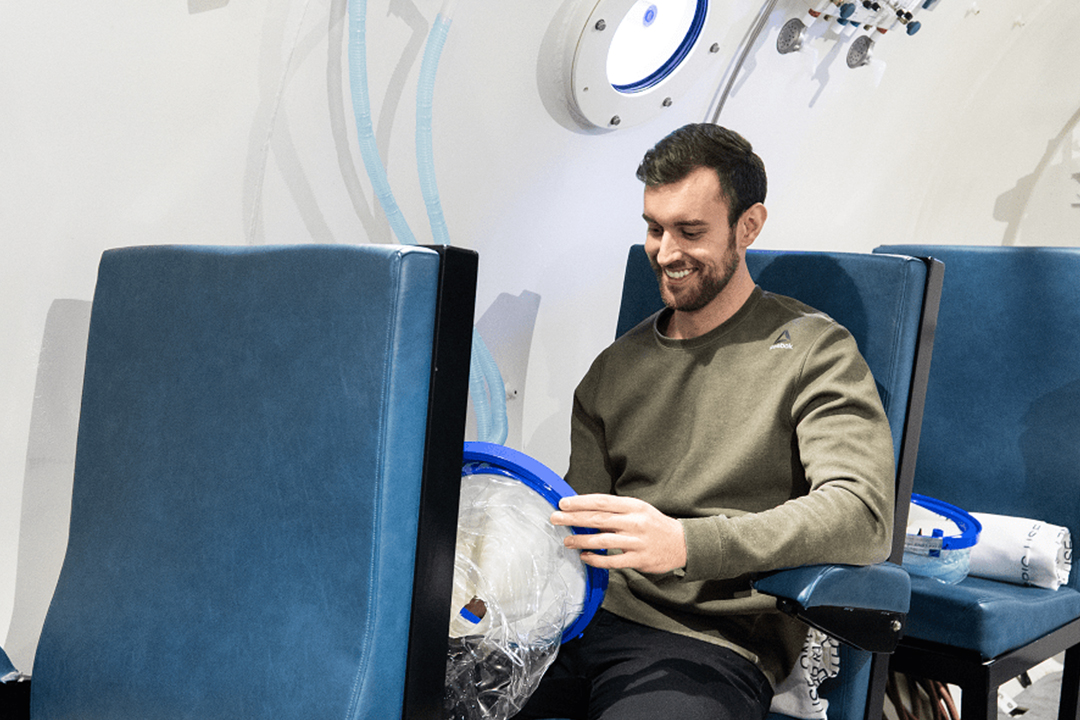
Elena Schertz, NP - Clinic Manager at Extivita RTP
Elena worked as a nurse in the pediatric oncology, cardiac, and surgical units at UNC hospitals for 15 years before deciding to work in integrative medicine. After years of working as a nurse, she decided to pursue her graduate degree, completing her masters with honors. She is board certified as a Family Nurse Practitioner (FNP) through the American Nurses Credentialing Center.
Elena’s passion for integrative medicine comes from her knowledge that the mind, body and psych/social/spiritual systems are not separate. The focus of Elena’s practice is to approach each of her patient’s healing process from the perspective of the whole, supported and grounded in safety and evidence-based medicine. She also maintains close consultative relationships with experts in the field to promote and enhance wellness for her patients. Elena joined the wonderful Extivita team in March 2019 and is thrilled to be a part of advancing health and wellness through hyperbaric medicine.
Thomas M. Fox, MAS,MS, CHT - Safety Director at Extivita RTP
Tom joined the Extivita team in 2022 as the Safety Director, helping Extivita to maintain a healthy and safe environment for exceptional patient care.
Extivita-RTP – Hyperbaric Oxygen Therapy Clinic
2012-D TW Alexander Drive
Durham, NC 27709
919-354-3775
919-354-3776
contact@extivita.org
https://www.extivita.org/
Subscribe Now, It’s Free!
Recent HBOT News
Growth Hormone Deficiency: Health and Longevity
Abstract The important role of GH in the control of mammalian longevity was first deduced from extended longevity of mice with genetic GH deficiency (GHD) or GH resistance. Mice with isolated GHD (IGHD) due to GHRH or GHRH receptor mutations, combined deficiency of...

Why is Justin Bieber Sleeping in a hyperbaric Oxygen Chamber?
Find out why pop star Justin Beiber has decided to sleep in a hyperbaric oxygen chamber. "Justin Bieber is testing out some futuristic healing technology. The pop star, 25, showed fans his new nighttime routine on his Instagram Stories on Sunday, passing his phone off...
Clinical Trial – The Role of Hyperbaric Oxygen and Neuropsychological Therapy in Cognitive Function Following Traumatic Brain Injury
Traumatic brain injury (TBI) caused by accidents is a very important public health problem in
Taiwan. There are many people with brain damage and cognitive dysfunction caused by traumatic
brain injury every year. Currently, there is no effective treatment for cognitive dysfunction
caused by traumatic brain injury. Evidence from clinical studies in recent years suggests
that hyperbaric oxygen therapy may be a treatment for repairing nerves after brain injury.
Many studies have shown that oxidative stress and inflammatory responses play an important
role in the pathogenesis of the central nervous system. In recent years, our research team
has shown that oxidative stress and inflammatory response are significantly associated with
the prognosis of patients with traumatic brain injury, cerebral hemorrhage, and stroke
patients. More and more evidences also show that oxidative stress and inflammatory response
play an important role in the neuropathological changes of mental cognitive sequelae after
traumatic brain injury. This injury may be gradual from the time of head trauma. This process
begins with the generation of oxidative stress and free radicals. When the cell repair and
free radical scavenging system can not effectively overcome the excessive production of free
radicals, an oxidative damage reaction will occur, causing a series of inflammatory cells and
cytokines to be activated. Studies have also shown that when inhibiting those free radicals
that produce oxidative stress, the neurological function and cognitive function of the head
after trauma can be significantly improved.
It is becoming widely acknowledged that the combined action of hyperoxia and hyperbaric
pressure leads to significant improvement in tissue oxygenation while targeting both
oxygenand pressure-sensitive genes, resulting in improved mitochondrial metabolism with
anti-apoptotic and anti-inflammatory effects. The investigators published an article this
year showing that hyperbaric oxygen therapy can improve the prognosis of patients with acute
stroke and increase endothelial progenitor cells in the systemic circulation.
The investigators plan to conduct this research project through hyperbaric oxygen therapy and
neuropsychological therapy, and using scientific tests and neurocognitive function
assessments. The investigators hope to answer the following questions: (1) Whether the
treatment of hyperbaric oxygen can improve oxidative stress and inflammatory response after
brain injury, and observe changes in biomarker concentration; (2) Whether hyperbaric oxygen
therapy and neuropsychological therapy can improve cognitive function after brain injury; and
(3) which biomarkers are factors that influence cognitive function prognosis.