
Special Report – Veterans and HBOT
The unfortunate truth is that countless veterans, just like Simon, repeatedly battle suicidal thoughts. They struggle from their battle wounds and PTSD with each passing minute.
These brave souls protected our country, and it’s beyond time that we protect their future. Thankfully there is hope in HBOT.
Watch the 30 Minute Special Report
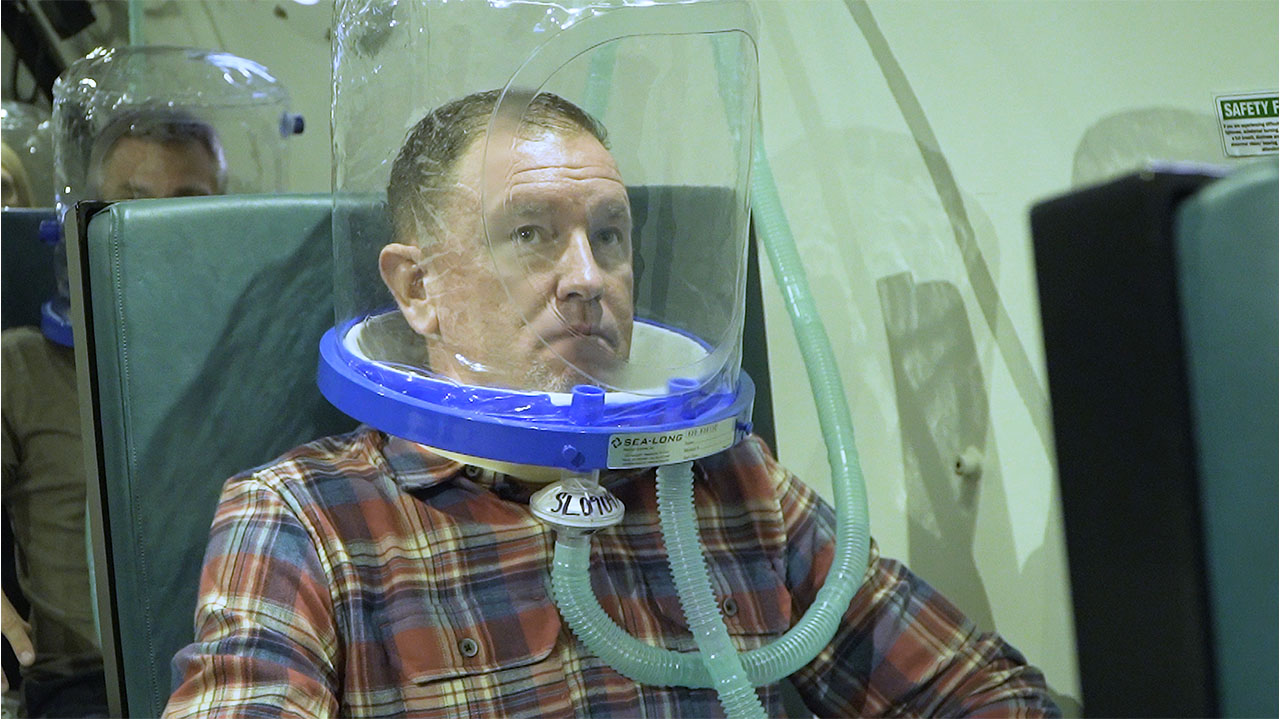
Veterans are at especially high risk for suicide due to the injuries they’ve endured and the horrific images they’ve seen. Post-traumatic stress disorder (PTSD) and traumatic brain injury (TBI) rank high among the reasons why veterans are choosing death over living. But there is hope for new beginnings. Hyperbaric oxygen therapy (HBOT) is helping war veterans turn their lives around.
In this Special Report, Edward diGirolamo, host of the HBOT News Network, dives into HBOT and what the state of North Carolina is doing to help get veterans this life saving therapy. We hear from Melissa Spain, CEO of the Community Foundation of NC East, as she discusses their involvement to get NC Senate Bill 442 passed; a bill that has appropriated funds to provide HBOT to NC veterans who suffer from TBI and PTSD.
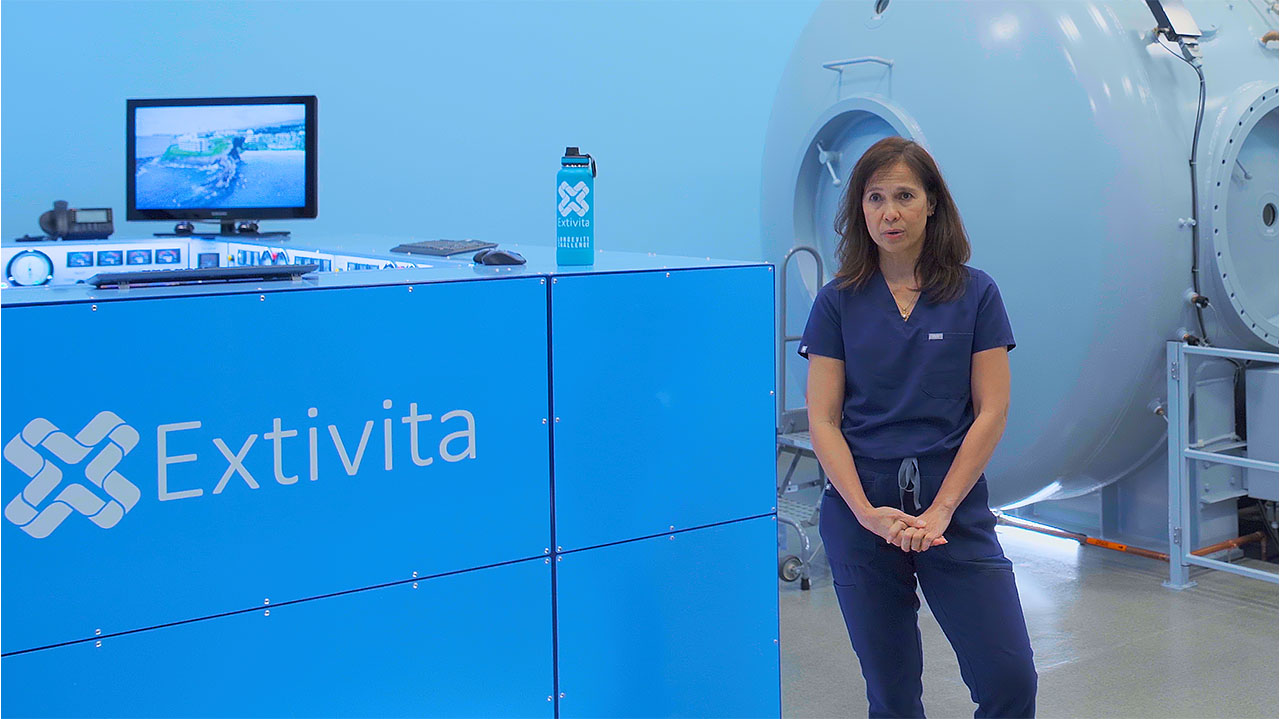
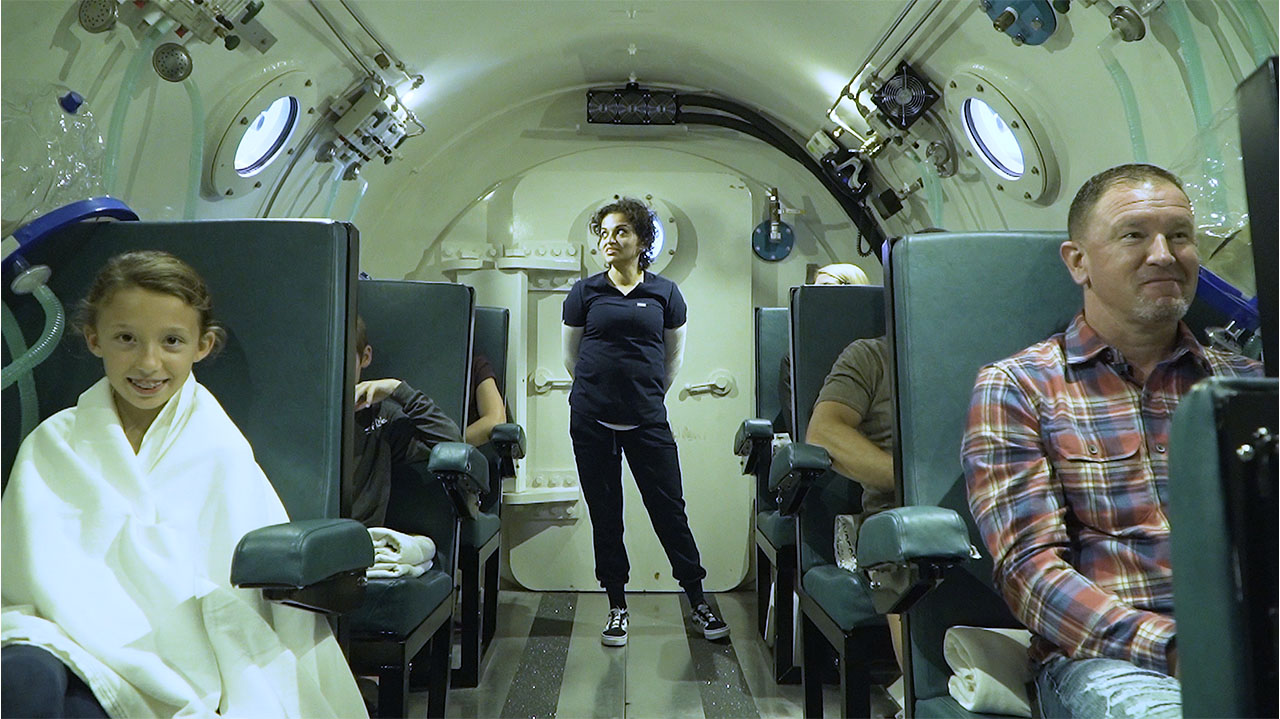
We are also greeted by Elena Schertz, Nurse Practitioner at Extivita-RTP in Durham, NC. Elena gives us a tour of their state-of-the-art clinic where soldiers are receiving HBOT. One of their veteran patients, Simon LeMay, agreed to share his story with us to help spread the hope that exists within the world of hyperbaric oxygen therapy.
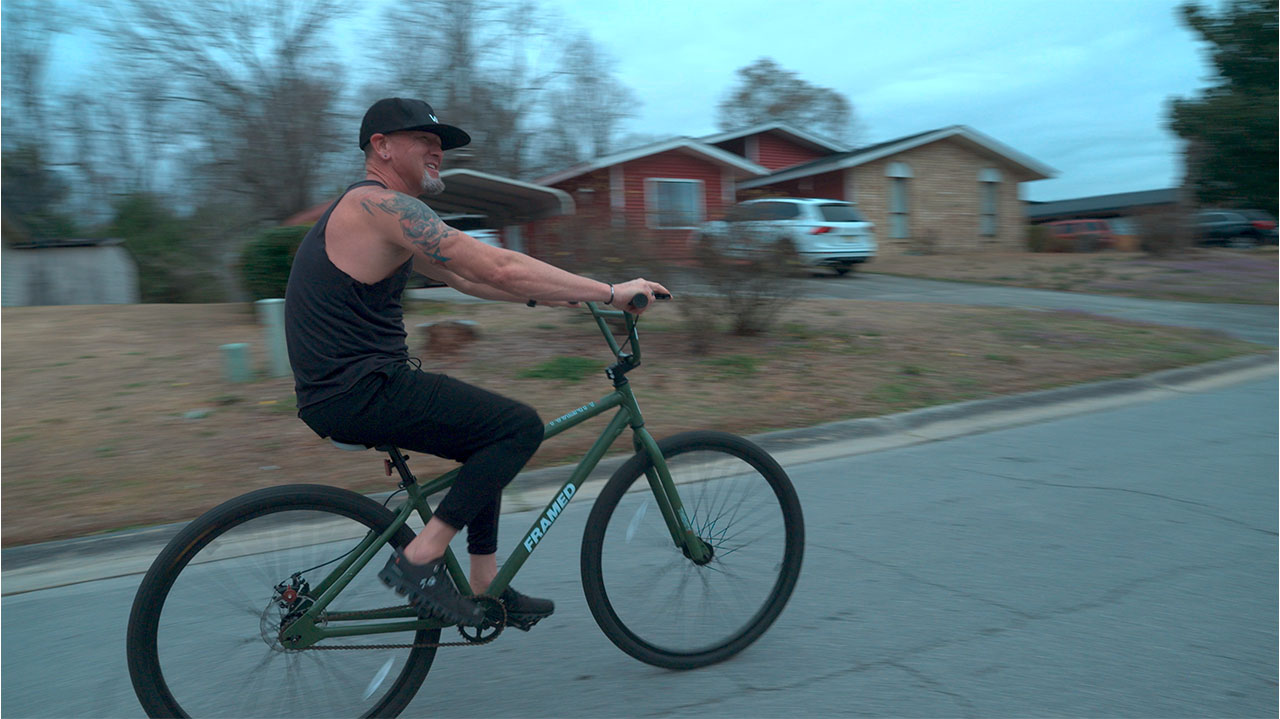
Meet a true American Hero, Simon LeMay, retired Sergeant Major with 25-years in the US Marine Corps. LeMay was deployed to Iraq and Afghanistan five times during a ten year period. He lost his best friend in battle and witnessed horrific incidents of violence and injury among his Marine bothers. Although LeMay was blessed to avoid serious physical injury to himself, he did come home with an invisible wound of war.
IED exposures left him with a TBI and visions of war and death haunted him with PTSD. Simon turned to alcohol and pain pills to ease the emotional and physical pain, leading him down a dark tunnel of depression and suicidal thoughts that almost ended in demise.
After hearing about it from friends, his loving family talked him into trying hyperbaric oxygen therapy to help heal his brain injuries. LeMay received treatment at Extivita- RTP in Durham, NC and states after 20-30 treatments he started realizing that he was once again “starting to feel emotion,” with the sense of worthlessness disappearing and the suicidal ideation being no more.
“I started looking forward to the next day,” Simon exclaims.
Also included in this Special Report is a raw and personal interview with Cate, Simon’s wife. Today she is thrilled with Simon’s progress, even calling hyperbaric oxygen therapy “God sent.”





Guest
Organizations
For more information about the guest organizations featured in this special, please click on the links.

North Carolina Hyperbaric Oxygen Therapy Clinic
Extivita RTP

NC HBOT for Veterans Program
The Community Foundation of NC East
Subscribe Now, It’s Free!
Recent HBOT News
Hyperbaric Oxygen Therapy Enhanced Circulating Levels of Endothelial Progenitor Cells and Angiogenesis Biomarkers, Blood Flow, in Ischemic Areas in Patients with Peripheral Arterial Occlusive Disease.
Abstract: This study tested the hypothesis that hyperbaric oxygen (HBO) therapy enhanced the circulating levels of endothelial progenitor cells (EPCs), soluble angiogenesis factors, and blood flow in ischemic areas in patients with peripheral arterial occlusive...
Impact of Hyperbaric Oxygen on Tissue Healing around Dental Implants in Beagles.
Abstract: BACKGROUND The impact of hyperbaric oxygen (HBO) on the healing of soft tissues around dental implants was studied in a beagle model. MATERIAL AND METHODS Beagle dogs were randomized to receive implants, followed by postoperative HBO therapy or not (n=10 per...
Clinical Trial – Transcranial Magnetic Stimulation and Hyperbaric Chamber for Women Fibromyalgia
Fibromyalgia syndrome (FMS) is a multisystem disease, characterized by generalized chronic
musculoskeletal pain. In addition, there is a lot of care for fatigue, sleep disorders,
morning stiffness, cognitive disorders, depression, anxiety and stress. Other common symptoms
are back pain, headaches, irritable bowel, balance problems and deterioration of physical
function in general. Patients with fibromyalgia (FM) often show pain at specific points that
are known as "tender spots or tender spots, with an increased sensitivity to painful stimuli"
(hyperalgesia) and a decreased pain threshold (allodynia). which can be evidenced in the
physical examination and in the absence of anomalies that justify in the biological or image
tests. These pain points to pressure, based on the most specific and specific criteria for
the diagnosis of the disease, traditionally based on the criteria of the American College of
Rheumatology (ACR), according to which, should be presented so minus 11 out of 18 painful
points to confirm it. Although the etiology remains unknown and unclear, its appearance is
attributed to a problem of central sensitization, that is, changes in central processing,
which causes an alteration of the mechanisms that regulate the sensation of pain, with
amplification of nociceptive input . and perpetuation of painful stimuli. Fibromyalgia is
becoming a common syndrome in the countries of Western Europe, with a prevalence in the
general population that ranges between 1-3%, and specifically in Spain, around 2.4%. In
addition, it has a higher incidence in women than men (73-95%), predominantly affecting women
between the ages of 40-50 years. About 3% of women with fibromyalgia are at an age when
menopause occurs, so not only do they experience the symptoms of both states but they even
exacerbate the syndrome with each other. On the other hand, and in relation to its
chronicity, the care of this type of patients involves large costs for society with a
significant consumption of health resources in the field of primary care, as well as the
costs of work absenteeism. For these reasons, it is considered an important problem with a
great impact on the health system, and therefore more and more studies are being developed
with the aim of better understanding the pathophysiology of this disease. The therapeutic
approach includes low cost and easy access measures, such as physical exercise (EF) programs
to improve the symptoms of FM. Physical exercise has positive effects directly on pain, joint
and muscle stiffness, generalized sensitivity and fatigue, among others, and secondarily on
cognitive disorders. Thus, the vast majority of studies focus on low-impact aerobic exercise,
performed between 60% and 70% of the maximum heart rate two to three times a week. However,
to date, there is no study that compares the effectiveness of physical exercise with other
innovative therapeutic actions, such as transcranial magnetic stimulation (TMS), the
hyperbaric chamber (HBOT), in parameters related to pain and quality of life. the life of
patients with fibromyalgia. The general objective is the effectiveness of transcranial
magnetic stimulation and the hyperbaric chamber in women with fibromyalgia. As specific
objectives we propose:
To assess the effect of HBOT, TMS and EF on quality of life in women with fibromyalgia.
– Object the effect of HBOT, TMS and EF in cortical functioning.
– Evaluate the effect of HBOT, TMS and EF on fatigue.
– Evaluate the effect of HBOT, TMS and EF on psychological aspects, such as depression and
anxiety.
– Evaluate the effect of HBOT, TMS and EF on the perception of pain and the number of
painful points.
– Evaluate the effect of HBOT, TMS and EF on the quality of sleep.
– Evaluate the effect of HBOT, TMS and EF on the quality of life.
– Evaluate the effect of HBOT, TMS and EF on the pain constructs.
– Determine the effect of HBOT, TMS and EF on plasma endorphin levels.