
Special Report – Veterans and HBOT
The unfortunate truth is that countless veterans, just like Simon, repeatedly battle suicidal thoughts. They struggle from their battle wounds and PTSD with each passing minute.
These brave souls protected our country, and it’s beyond time that we protect their future. Thankfully there is hope in HBOT.
Watch the 30 Minute Special Report
Veterans are at especially high risk for suicide due to the injuries they’ve endured and the horrific images they’ve seen. Post-traumatic stress disorder (PTSD) and traumatic brain injury (TBI) rank high among the reasons why veterans are choosing death over living. But there is hope for new beginnings. Hyperbaric oxygen therapy (HBOT) is helping war veterans turn their lives around.
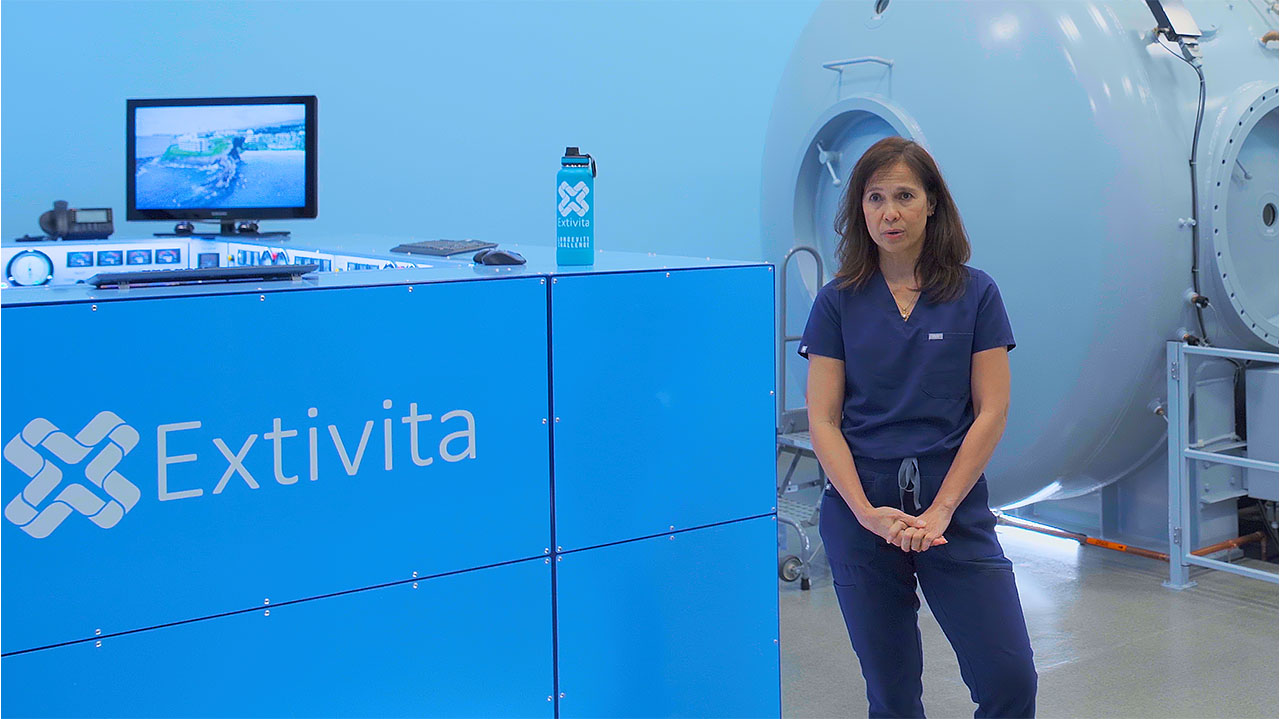
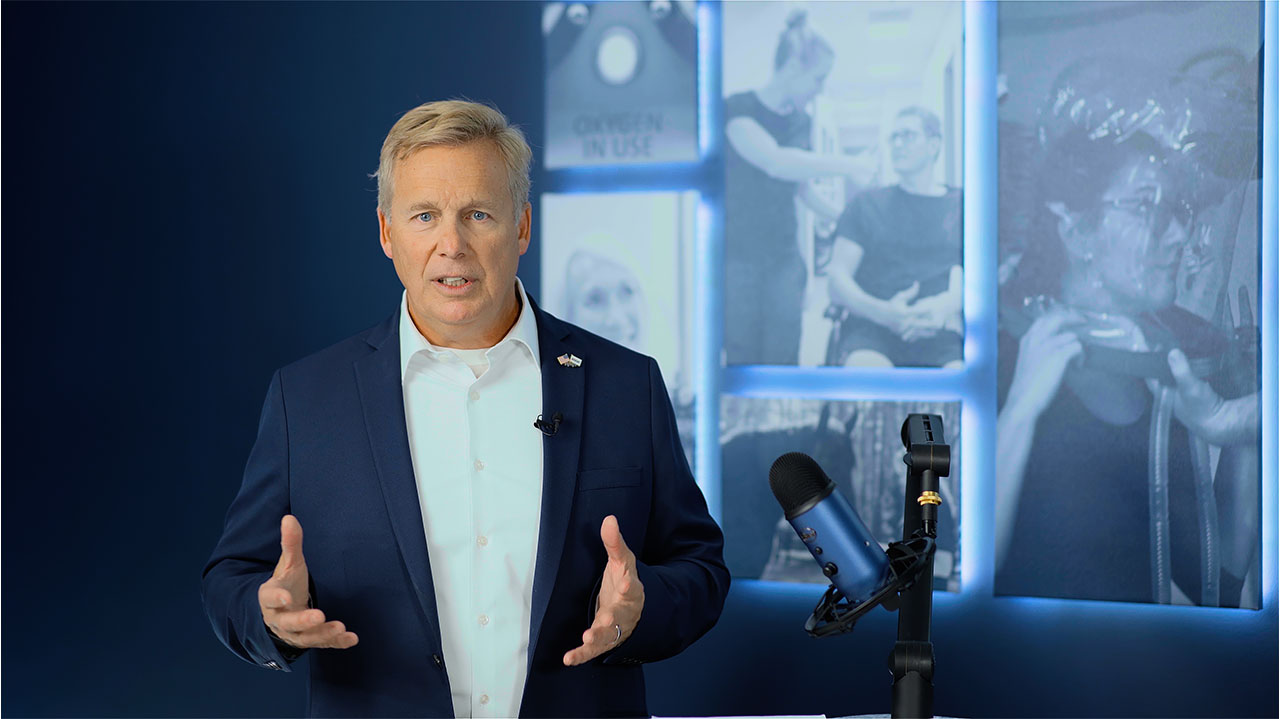
In this Special Report, Edward diGirolamo, host of the HBOT News Network, dives into HBOT and what the state of North Carolina is doing to help get veterans this life saving therapy. We hear from Melissa Spain, CEO of the Community Foundation of NC East, as she discusses their involvement to get NC Senate Bill 442 passed; a bill that has appropriated funds to provide HBOT to NC veterans who suffer from TBI and PTSD.
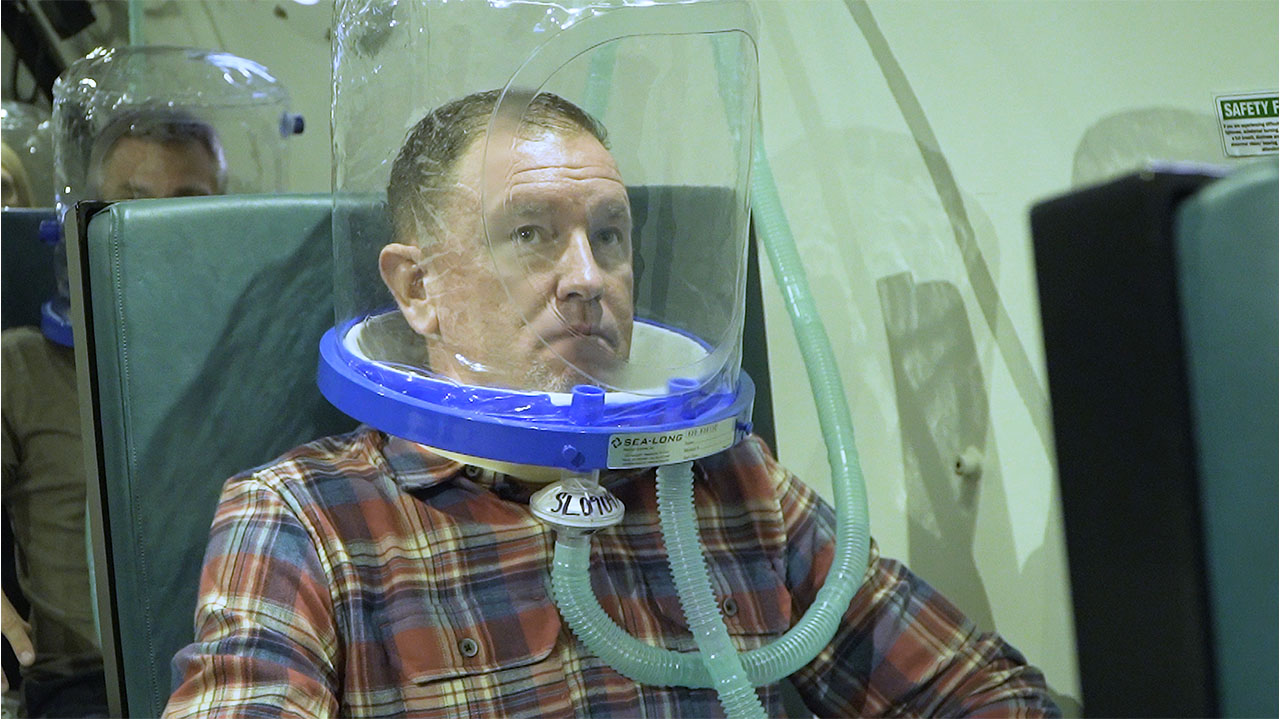
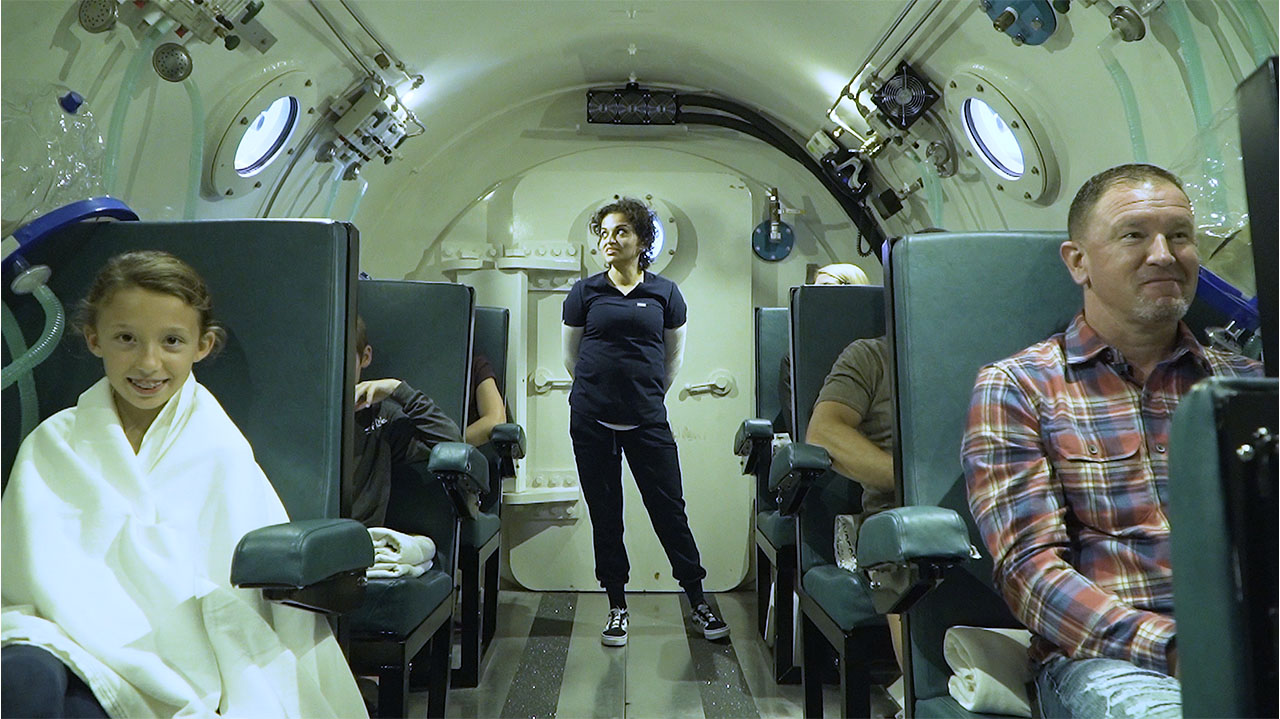
We are also greeted by Elena Schertz, Nurse Practitioner at Extivita-RTP in Durham, NC. Elena gives us a tour of their state-of-the-art clinic where soldiers are receiving HBOT. One of their veteran patients, Simon LeMay, agreed to share his story with us to help spread the hope that exists within the world of hyperbaric oxygen therapy.
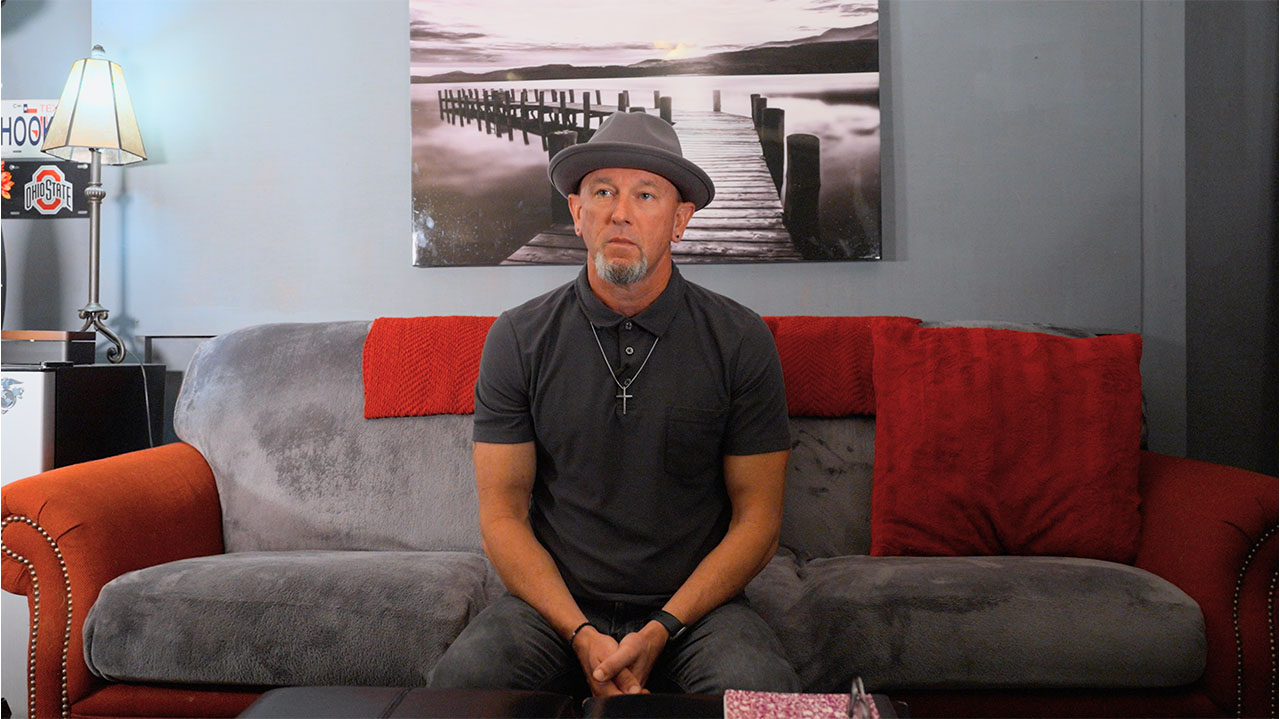
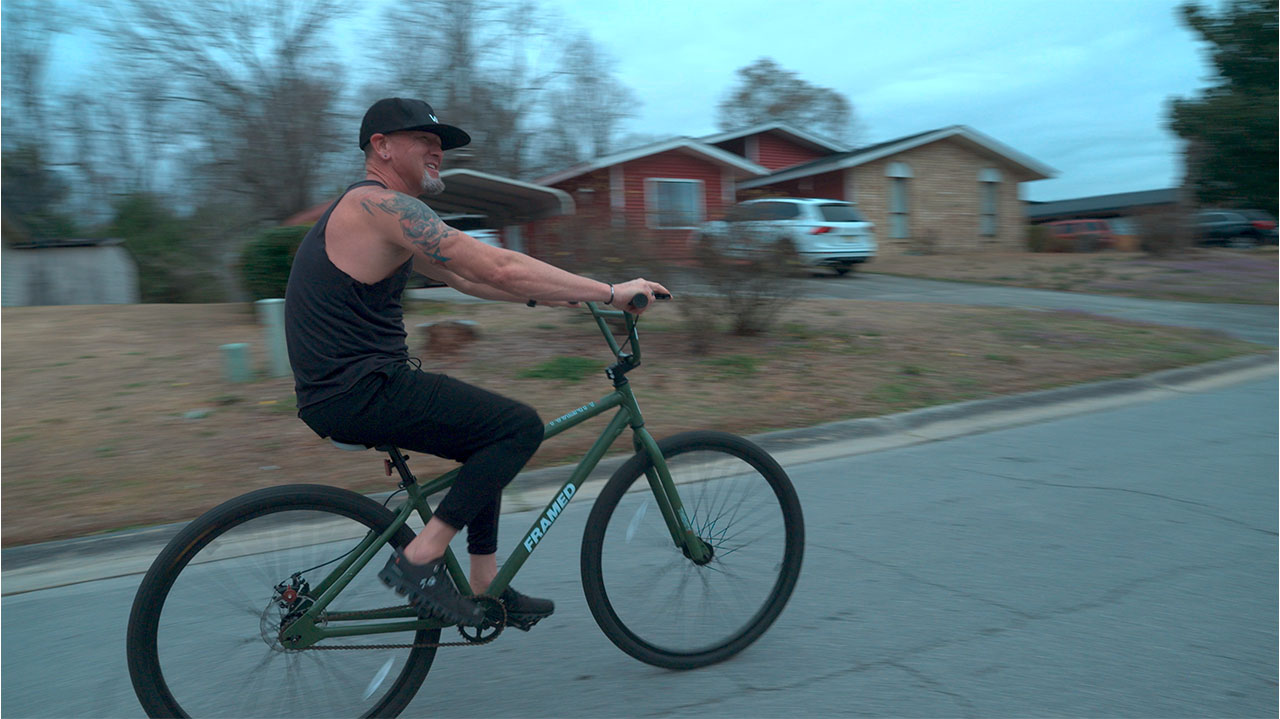
Meet a true American Hero, Simon LeMay, retired Sergeant Major with 25-years in the US Marine Corps. LeMay was deployed to Iraq and Afghanistan five times during a ten year period. He lost his best friend in battle and witnessed horrific incidents of violence and injury among his Marine bothers. Although LeMay was blessed to avoid serious physical injury to himself, he did come home with an invisible wound of war.
IED exposures left him with a TBI and visions of war and death haunted him with PTSD. Simon turned to alcohol and pain pills to ease the emotional and physical pain, leading him down a dark tunnel of depression and suicidal thoughts that almost ended in demise.
After hearing about it from friends, his loving family talked him into trying hyperbaric oxygen therapy to help heal his brain injuries. LeMay received treatment at Extivita- RTP in Durham, NC and states after 20-30 treatments he started realizing that he was once again “starting to feel emotion,” with the sense of worthlessness disappearing and the suicidal ideation being no more.
“I started looking forward to the next day,” Simon exclaims.
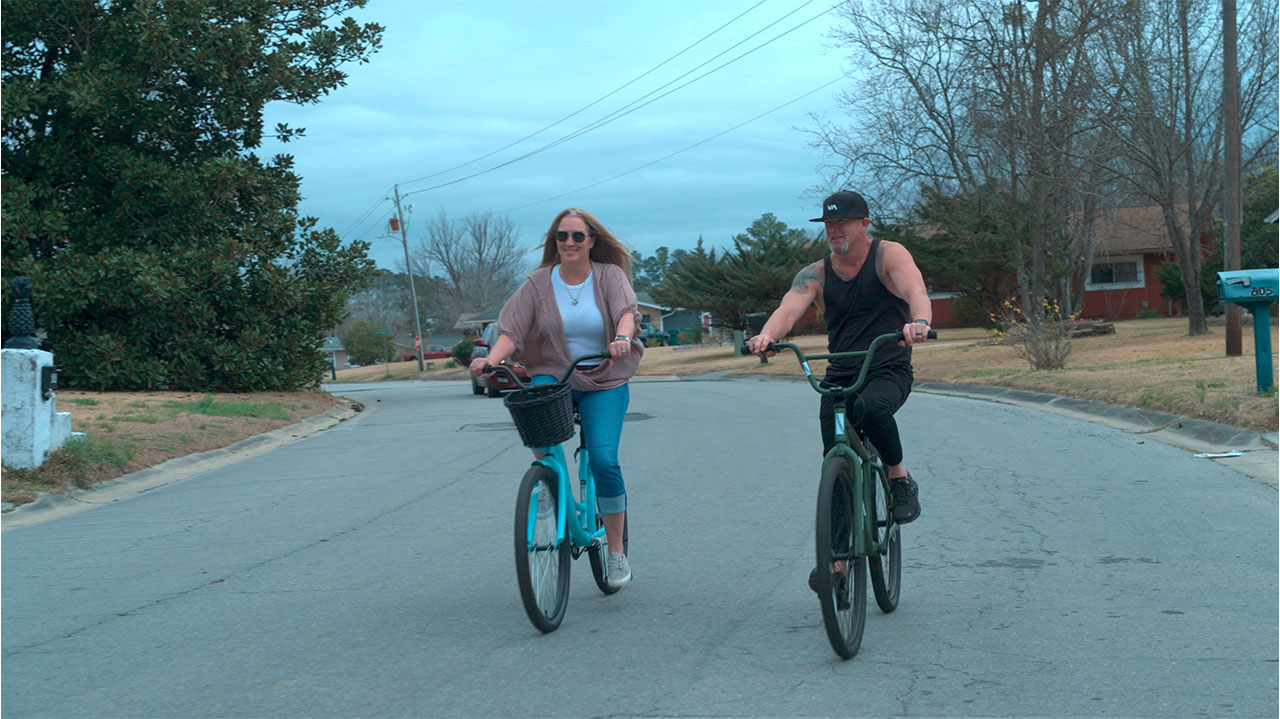
Also included in this Special Report is a raw and personal interview with Cate, Simon’s wife. Today she is thrilled with Simon’s progress, even calling hyperbaric oxygen therapy “God sent.”



Guest
Organizations
For more information about the guest organizations featured in this special, please click on the links.

North Carolina Hyperbaric Oxygen Therapy Clinic
Extivita RTP

NC HBOT for Veterans Program
The Community Foundation of NC East
Subscribe Now, It’s Free!
Recent HBOT News
Hyperbaric oxygen therapy ameliorates pathophysiology of 3xTg-AD mouse model by attenuating neuroinflammation.
There is a real need for new interventions for Alzheimer’s disease (AD). Hyperbaric oxygen therapy (HBOT), the medical administration of 100% oxygen at conditions greater than 1 atmosphere absolute, has been used successfully to treat several neurological conditions, but its effects on AD pathology have never been thoroughly examined. Therefore, we exposed old triple-transgenic (3xTg) and non-transgenic mice to HBOT followed by behavioral, histological, and biochemical analyses. HBOT attenuated neuroinflammatory processes by reducing astrogliosis, microgliosis, and the secretion of proinflammatory cytokines (IL-1β and TNFα) and increasing expression of scavenger receptor A, arginase1, and antiinflammatory cytokines (IL-4 and IL-10). Moreover, HBOT reduced hypoxia, amyloid burden, and tau phosphorylation in 3xTg mice and ameliorated their behavioral deficits. Therefore, we suggest that HBOT has multifaceted effects that reduce AD pathologies, even in old mice. Given that HBOT is used in the clinic to treat various indications, including neurological conditions, these results suggest HBOT as a novel therapeutic intervention for AD.
Clinical Trial – Safety and Efficacy of Intrathecally Administered Magnesium Sulfate
Magnesium sulfate safety profile has been documented by histopathological analysis in
experimental studies. magnesium sulfate added to local anesthetics decrease postoperative
opioid requirements.
Clinical Trial – SOFT Block Versus Spinal Anesthesia in Patientsusing Ilizarov External Fixator
Peripheral nerve block is an ideal choice for lower limb surgery because of the peripheral
site of the surgical procedure and the ability to block pain pathways at multiple levels. On
the contrary to other anesthetic techniques, as spinal or general anesthesia, properly
performed peripheral nerve blocks bypass adverse events as hemodynamic instability and
respiratory complications, properly treat post-operative pain leading to early hospital
discharge. Additional advantages of peripheral nerve blocks are that they can be used in
patients receiving anti-coagulants or lumbosacral disease in addition to avoidance of airway
instrumentation.
Recently, there has been a significant interest in regional anesthesia and peripheral nerve
blockade. This is facilitated by a significant advance of the research in this field and
availability of better equipment facilitating regional anesthesia.The aim of this study was
to assess the efficacy and safety of SOFT block (sciatic-obturator-femoral nerve block
technique) in comparison with spinal anesthesia in patients undergoing surgery for fixation
of open tibial fractures using Ilizarov external fixator.