
Special Report – Veterans and HBOT
The unfortunate truth is that countless veterans, just like Simon, repeatedly battle suicidal thoughts. They struggle from their battle wounds and PTSD with each passing minute.
These brave souls protected our country, and it’s beyond time that we protect their future. Thankfully there is hope in HBOT.
Watch the 30 Minute Special Report
Veterans are at especially high risk for suicide due to the injuries they’ve endured and the horrific images they’ve seen. Post-traumatic stress disorder (PTSD) and traumatic brain injury (TBI) rank high among the reasons why veterans are choosing death over living. But there is hope for new beginnings. Hyperbaric oxygen therapy (HBOT) is helping war veterans turn their lives around.
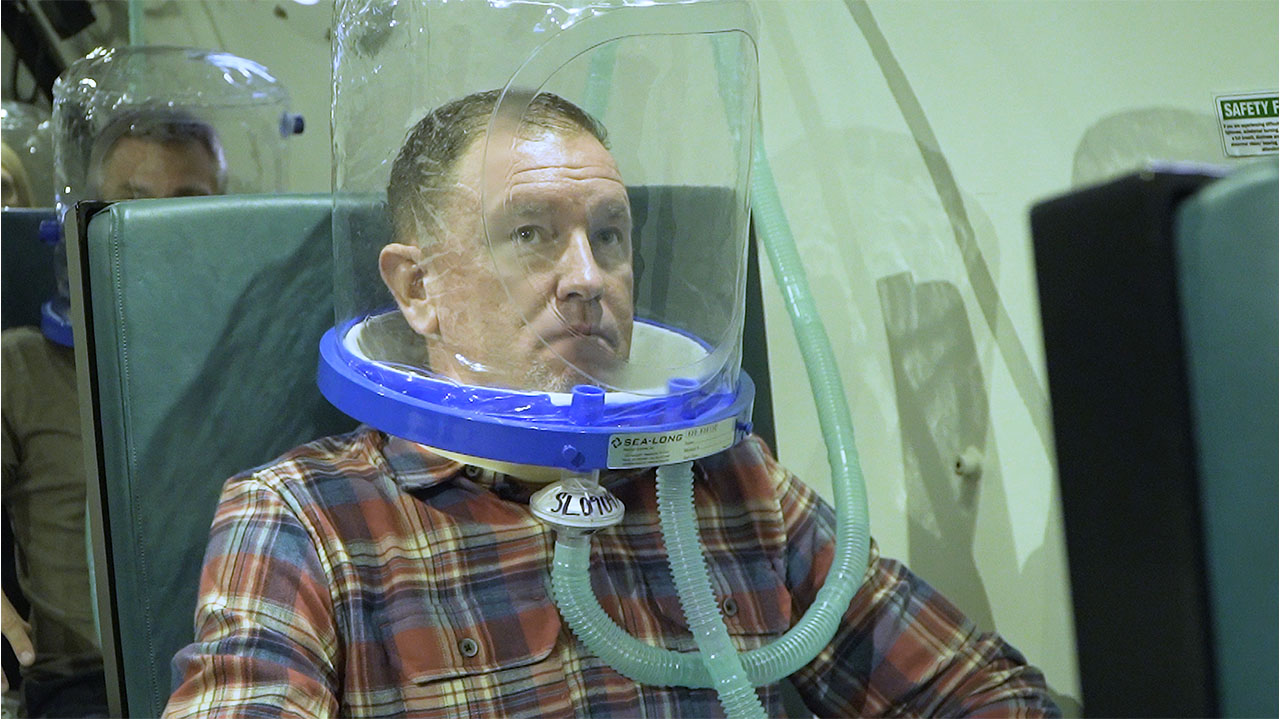
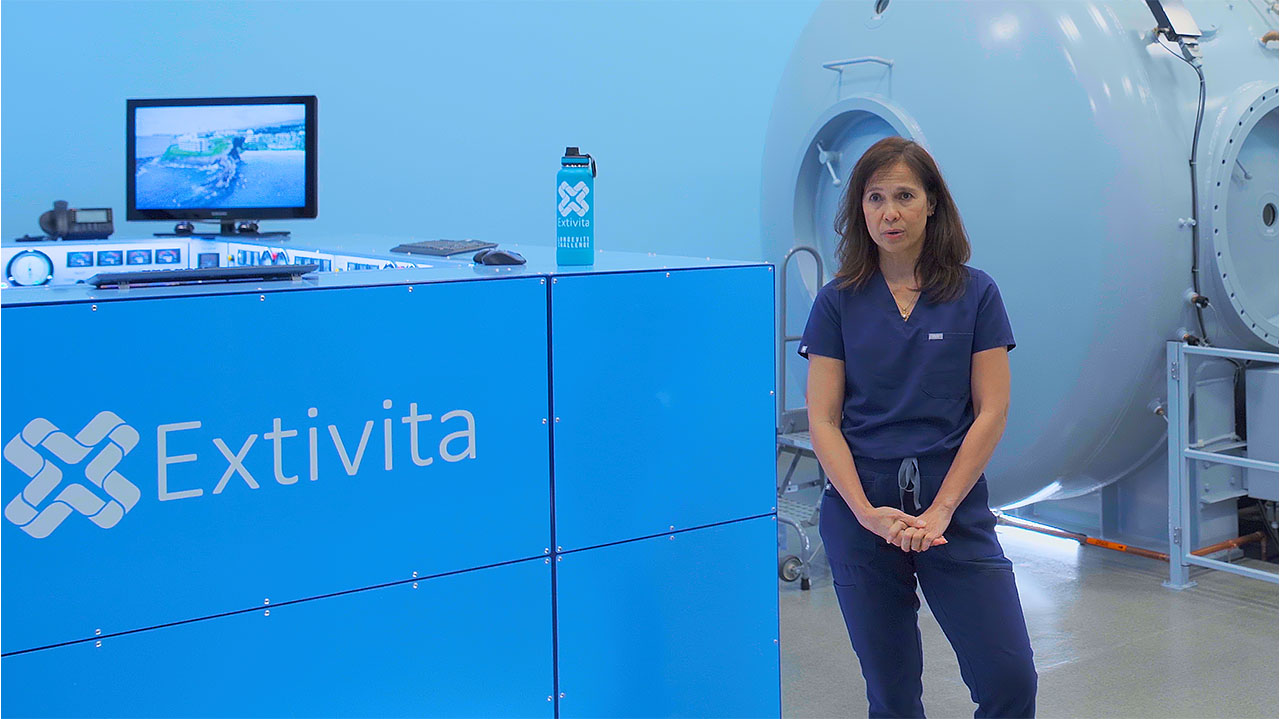
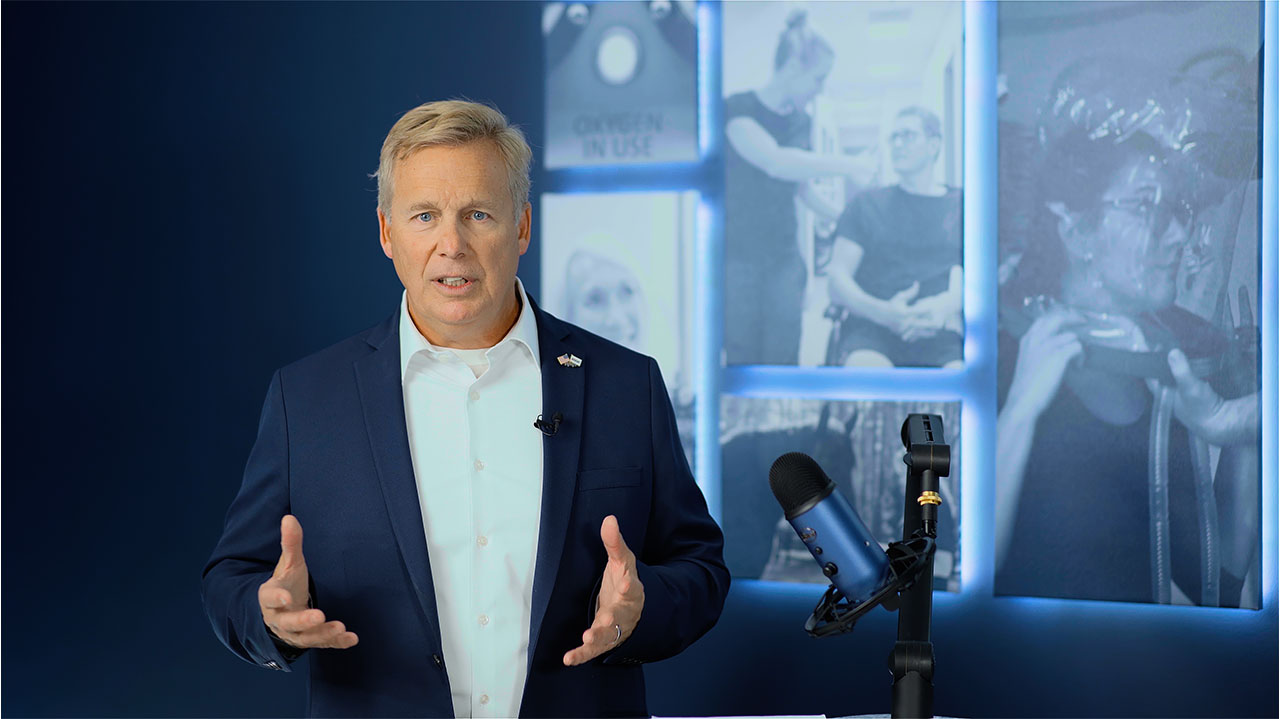
In this Special Report, Edward diGirolamo, host of the HBOT News Network, dives into HBOT and what the state of North Carolina is doing to help get veterans this life saving therapy. We hear from Melissa Spain, CEO of the Community Foundation of NC East, as she discusses their involvement to get NC Senate Bill 442 passed; a bill that has appropriated funds to provide HBOT to NC veterans who suffer from TBI and PTSD.
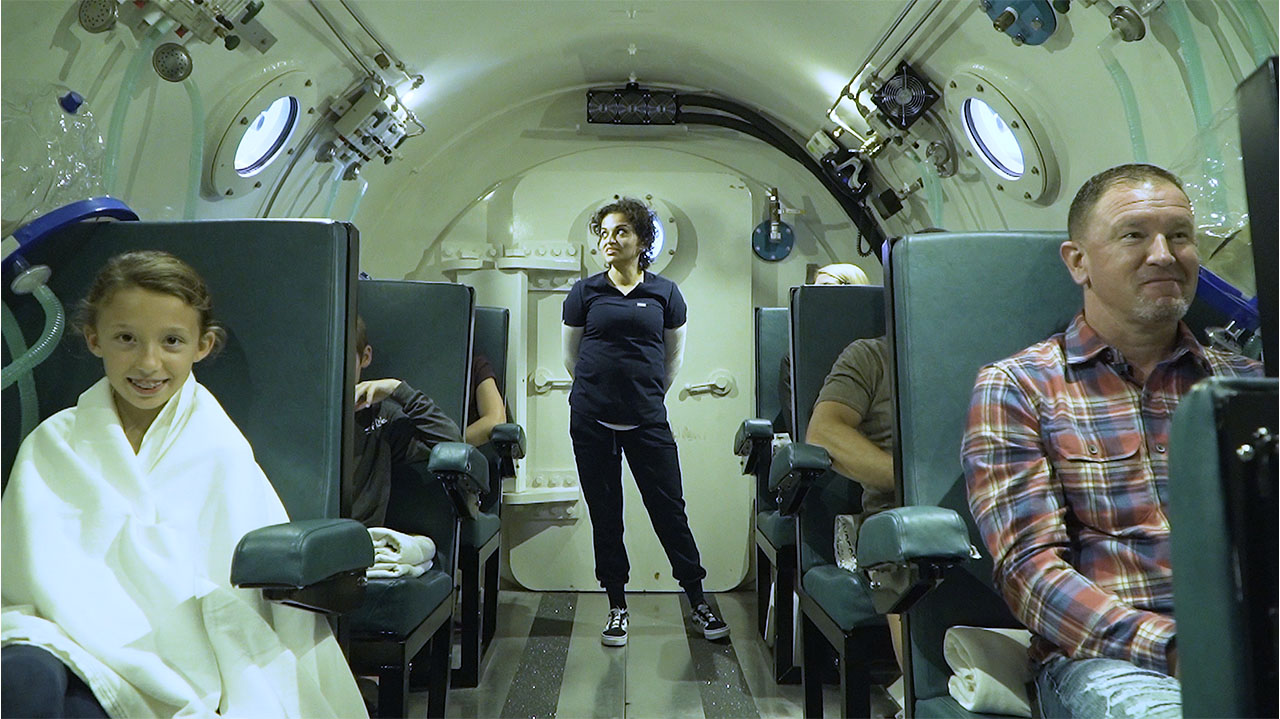
We are also greeted by Elena Schertz, Nurse Practitioner at Extivita-RTP in Durham, NC. Elena gives us a tour of their state-of-the-art clinic where soldiers are receiving HBOT. One of their veteran patients, Simon LeMay, agreed to share his story with us to help spread the hope that exists within the world of hyperbaric oxygen therapy.
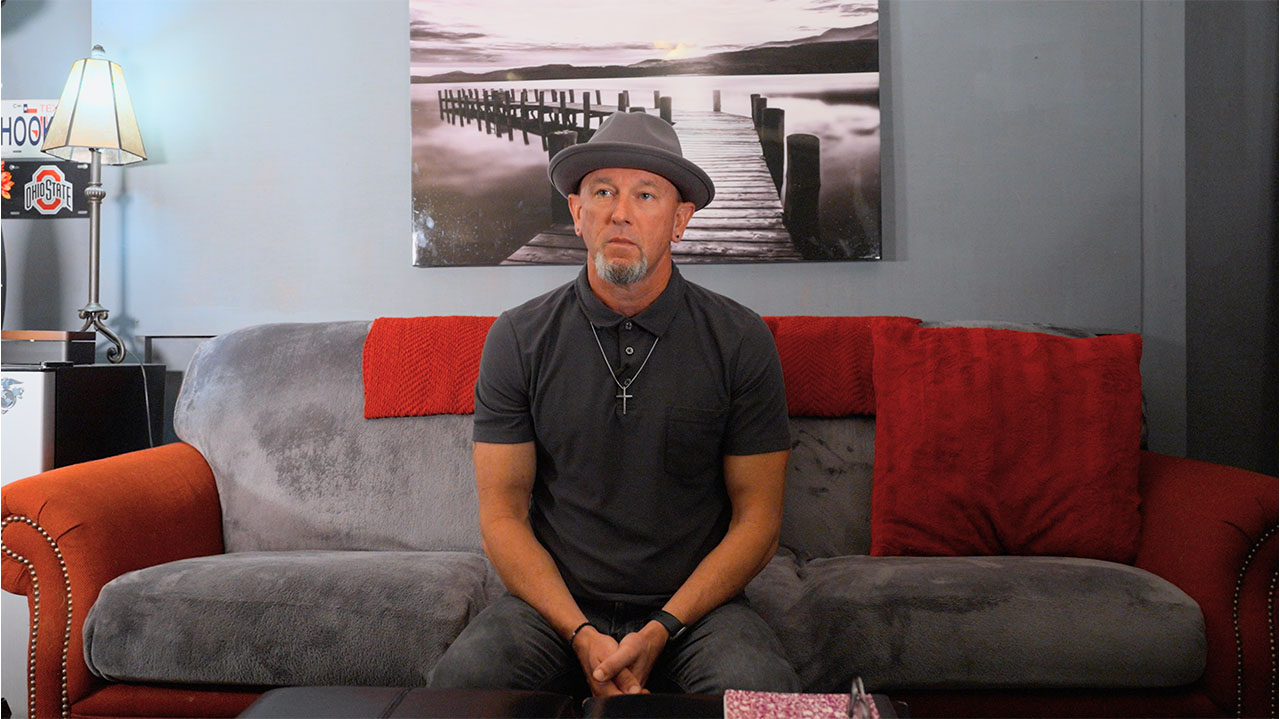
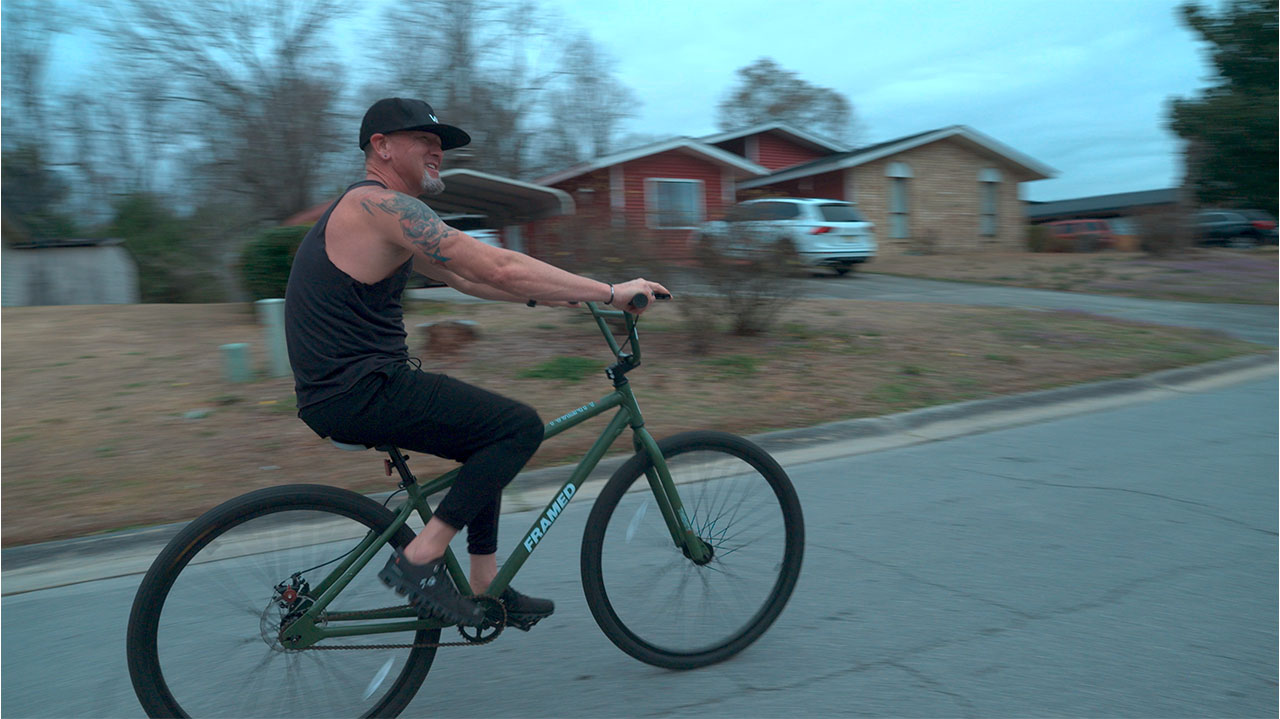
Meet a true American Hero, Simon LeMay, retired Sergeant Major with 25-years in the US Marine Corps. LeMay was deployed to Iraq and Afghanistan five times during a ten year period. He lost his best friend in battle and witnessed horrific incidents of violence and injury among his Marine bothers. Although LeMay was blessed to avoid serious physical injury to himself, he did come home with an invisible wound of war.
IED exposures left him with a TBI and visions of war and death haunted him with PTSD. Simon turned to alcohol and pain pills to ease the emotional and physical pain, leading him down a dark tunnel of depression and suicidal thoughts that almost ended in demise.
After hearing about it from friends, his loving family talked him into trying hyperbaric oxygen therapy to help heal his brain injuries. LeMay received treatment at Extivita- RTP in Durham, NC and states after 20-30 treatments he started realizing that he was once again “starting to feel emotion,” with the sense of worthlessness disappearing and the suicidal ideation being no more.
“I started looking forward to the next day,” Simon exclaims.
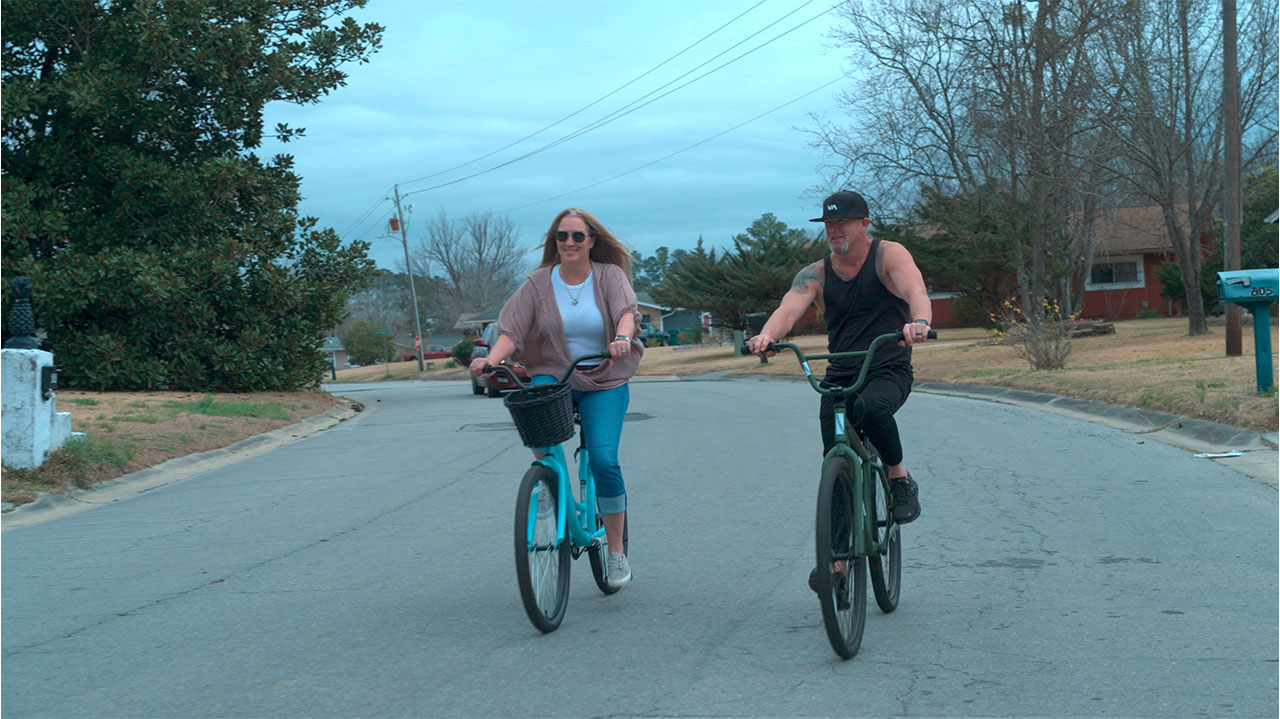
Also included in this Special Report is a raw and personal interview with Cate, Simon’s wife. Today she is thrilled with Simon’s progress, even calling hyperbaric oxygen therapy “God sent.”



Guest
Organizations
For more information about the guest organizations featured in this special, please click on the links.

North Carolina Hyperbaric Oxygen Therapy Clinic
Extivita RTP

NC HBOT for Veterans Program
The Community Foundation of NC East
Subscribe Now, It’s Free!
Recent HBOT News
Hyperbaric oxygen therapy as an adjuvant to source control in necrotizing soft tissue infections.
Abstract: Necrotizing soft tissue infections (NSTI) are rare but potentially lethal disorders, and adequate management is time- and resource-demanding. This study aims to assess whether variations in the treatment modalities - surgery, hyperbaric oxygen (HBO₂) therapy...
The protection effect and mechanism of hyperbaric oxygen therapy in rat brain with traumatic injury.
To investigate the effect of hyperbaric oxygen therapy (HBOT) on traumatic brain injury (TBI) outcome. The modified Marmarou’s weight drop device was used to generate non-lethal moderate TBI rat model, and further developed in vitro astrocytes culturing system. Then, we analyzed the expression changes of interested genes and protein by quantitative PCR and western blot. Multiple HBO treatments significantly reduced the expression of apoptosis promoting genes, such as c-fos, c-jun, Bax and weakened the activation of Caspase-3 in model rats. On the contrary, HBOT alleviated the decrease of anti-apoptosis gene Bcl-2 and promoted the expression of neurotrophic factors (NTFs), such as NGF, BDNF, GDNF and NT-3 in vivo. As a consequent, the neuropathogenesis was remarkably relied with HBOT.
Clinical Trial – Sequential Intrathecal Injection of Fentanyl and Hyperbaric Bupivacaine
56 Parturients, aged 18-40 year, undergoing elective CS were randomly assigned to receive
sequential intrathecal injection of fentanyl and hyperbaric bupivacaine at the same rate
(normal sequential) NS or a rapid intrathecal injection of fentanyl followed by slow
injection of hyperbaric bupivacaine (rapid sequential) RS. Time of first rescue analgesia,
Dose of rescue analgesics, degree of postoperative pain, incidence of hypotension,
hypotension duration, ephedrine dose, spinal anaesthesia related complications and failed
block were recorded.