
Special Report – Veterans and HBOT
The unfortunate truth is that countless veterans, just like Simon, repeatedly battle suicidal thoughts. They struggle from their battle wounds and PTSD with each passing minute.
These brave souls protected our country, and it’s beyond time that we protect their future. Thankfully there is hope in HBOT.
Watch the 30 Minute Special Report
Veterans are at especially high risk for suicide due to the injuries they’ve endured and the horrific images they’ve seen. Post-traumatic stress disorder (PTSD) and traumatic brain injury (TBI) rank high among the reasons why veterans are choosing death over living. But there is hope for new beginnings. Hyperbaric oxygen therapy (HBOT) is helping war veterans turn their lives around.
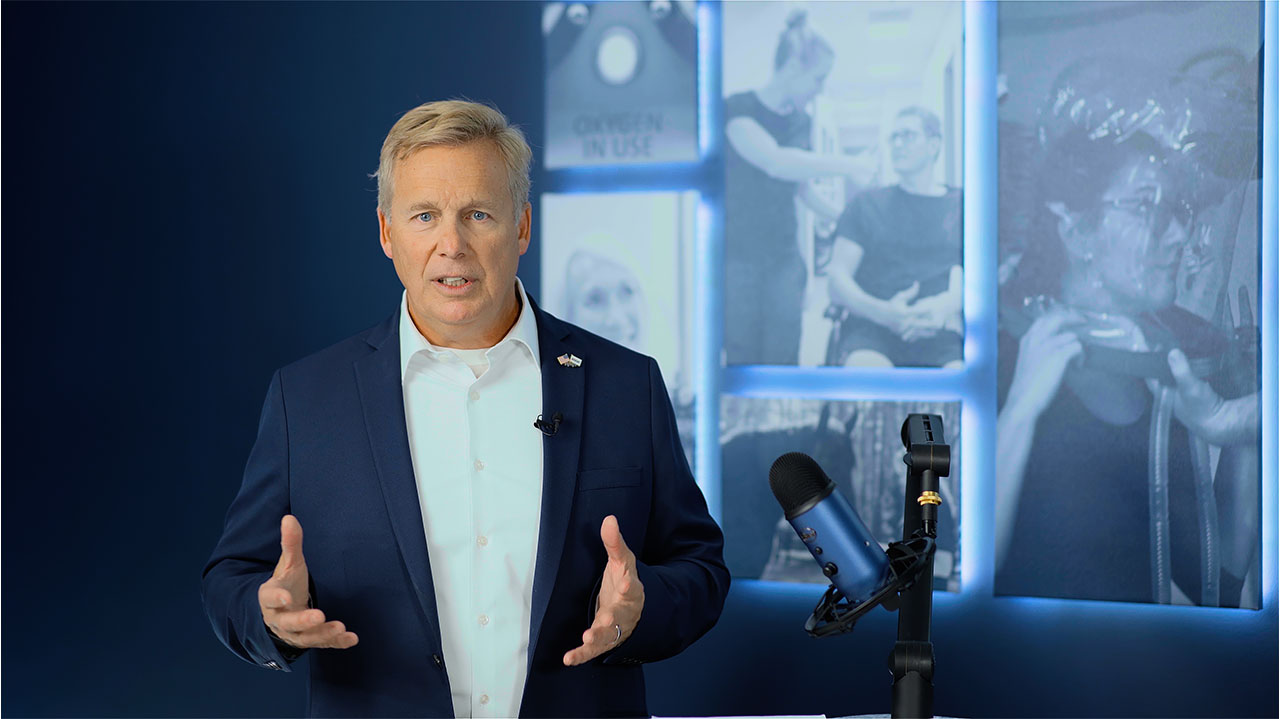
In this Special Report, Edward diGirolamo, host of the HBOT News Network, dives into HBOT and what the state of North Carolina is doing to help get veterans this life saving therapy. We hear from Melissa Spain, CEO of the Community Foundation of NC East, as she discusses their involvement to get NC Senate Bill 442 passed; a bill that has appropriated funds to provide HBOT to NC veterans who suffer from TBI and PTSD.
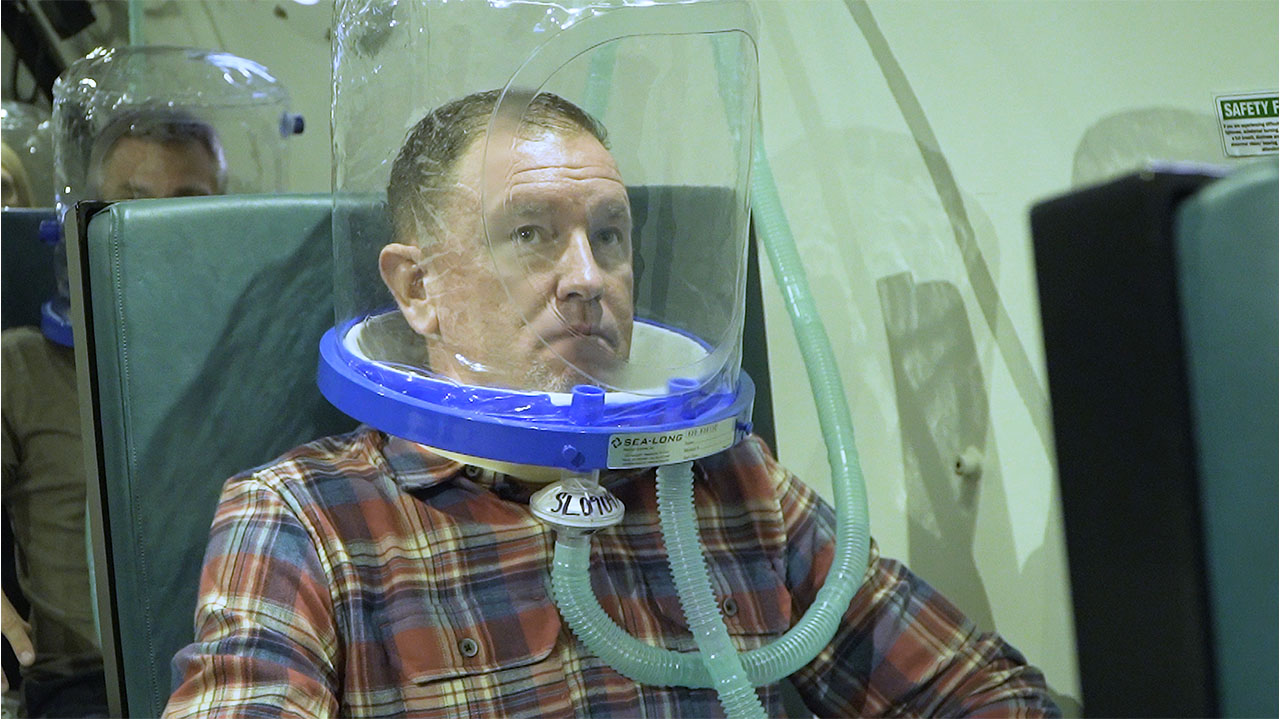
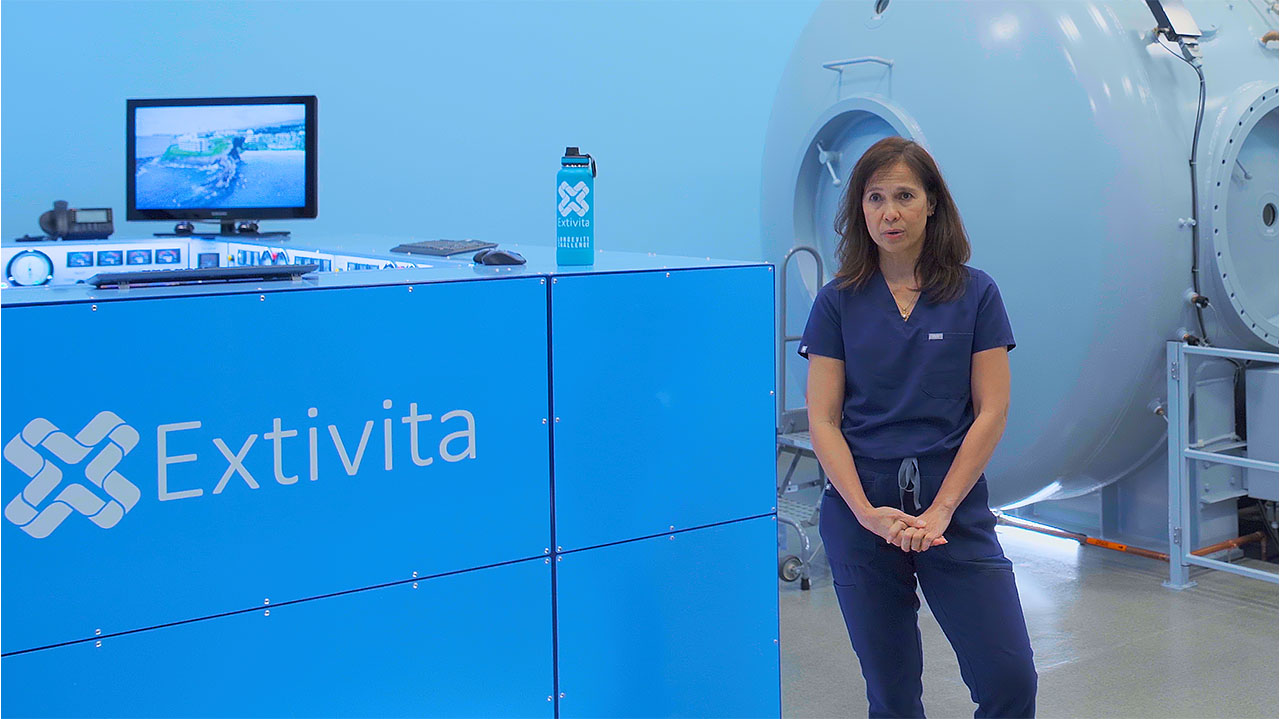
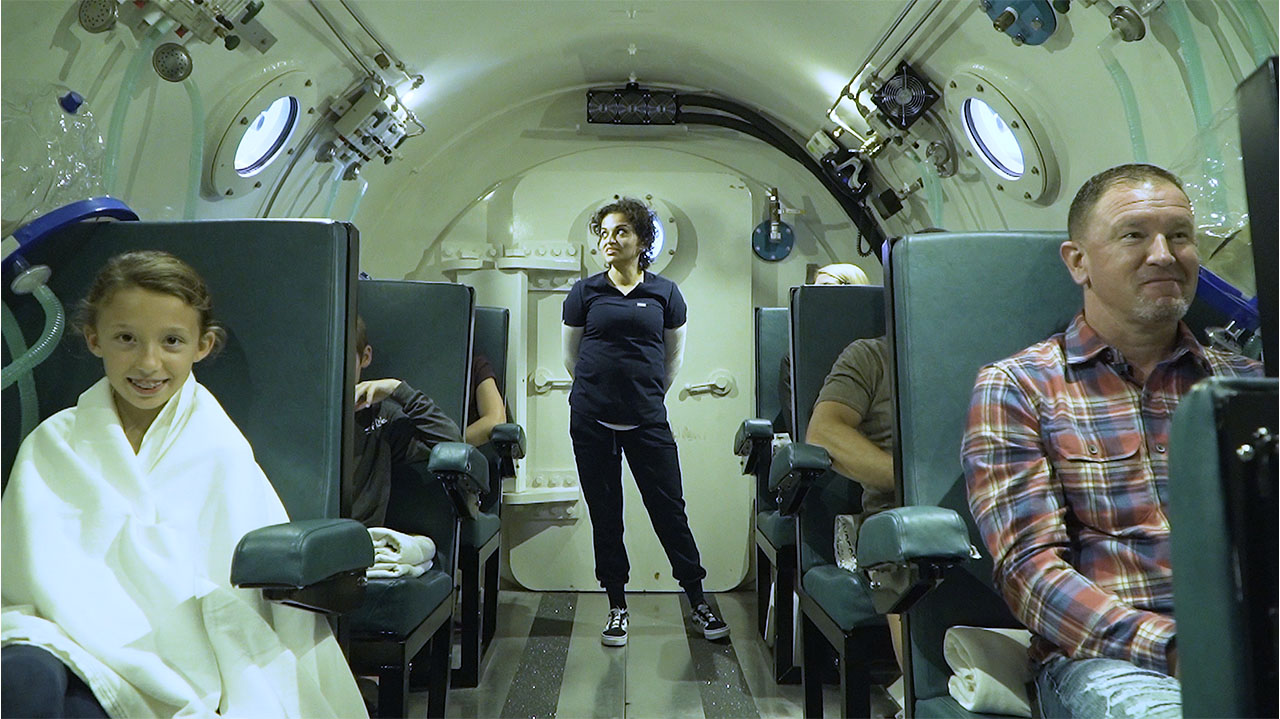
We are also greeted by Elena Schertz, Nurse Practitioner at Extivita-RTP in Durham, NC. Elena gives us a tour of their state-of-the-art clinic where soldiers are receiving HBOT. One of their veteran patients, Simon LeMay, agreed to share his story with us to help spread the hope that exists within the world of hyperbaric oxygen therapy.
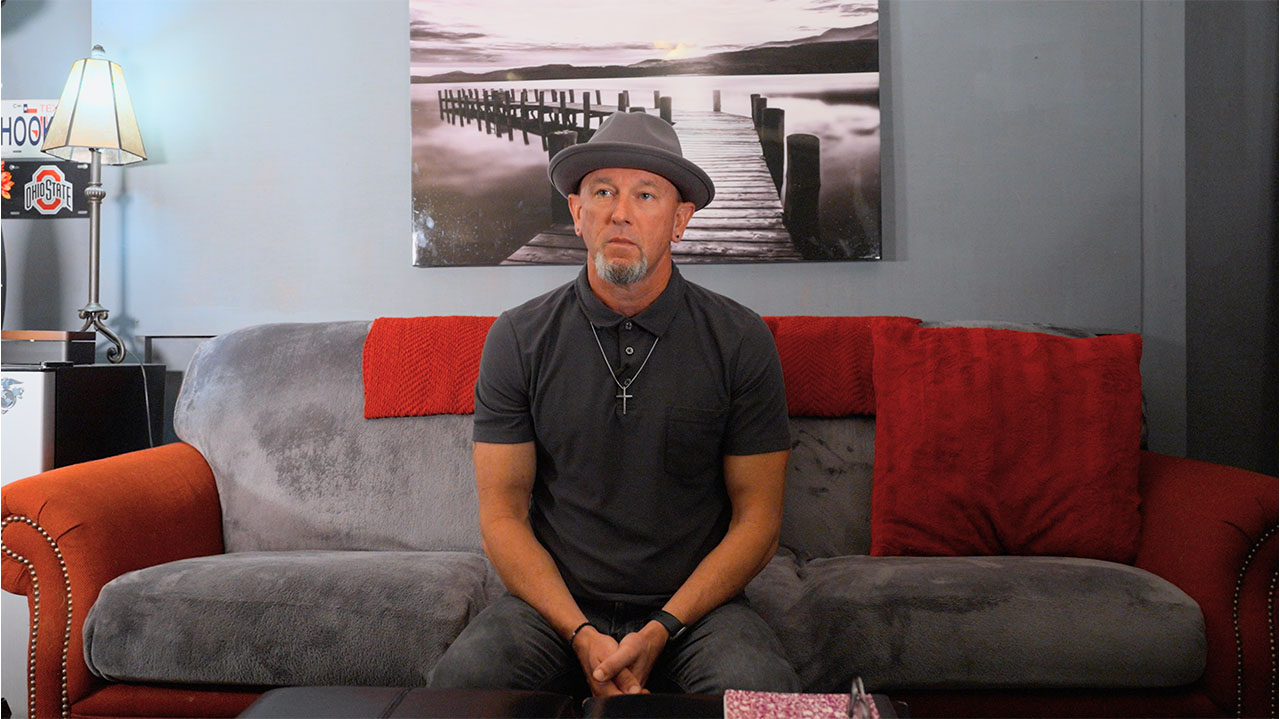
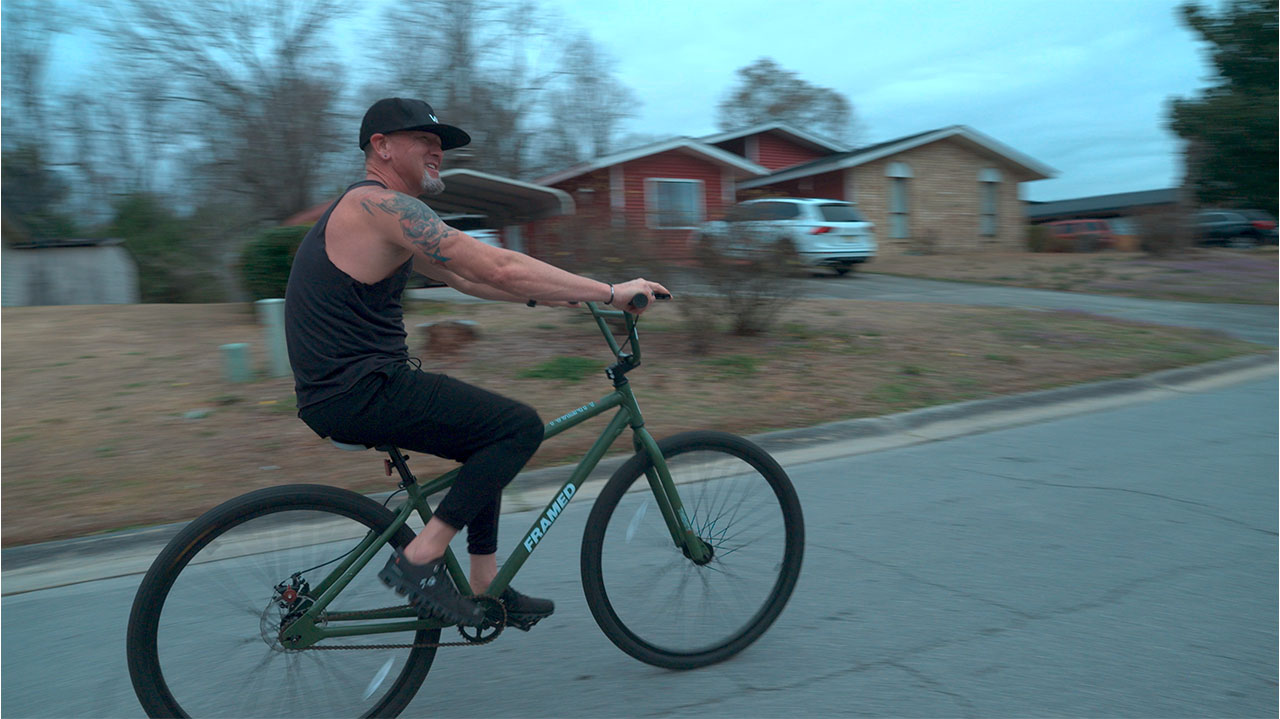
Meet a true American Hero, Simon LeMay, retired Sergeant Major with 25-years in the US Marine Corps. LeMay was deployed to Iraq and Afghanistan five times during a ten year period. He lost his best friend in battle and witnessed horrific incidents of violence and injury among his Marine bothers. Although LeMay was blessed to avoid serious physical injury to himself, he did come home with an invisible wound of war.
IED exposures left him with a TBI and visions of war and death haunted him with PTSD. Simon turned to alcohol and pain pills to ease the emotional and physical pain, leading him down a dark tunnel of depression and suicidal thoughts that almost ended in demise.
After hearing about it from friends, his loving family talked him into trying hyperbaric oxygen therapy to help heal his brain injuries. LeMay received treatment at Extivita- RTP in Durham, NC and states after 20-30 treatments he started realizing that he was once again “starting to feel emotion,” with the sense of worthlessness disappearing and the suicidal ideation being no more.
“I started looking forward to the next day,” Simon exclaims.
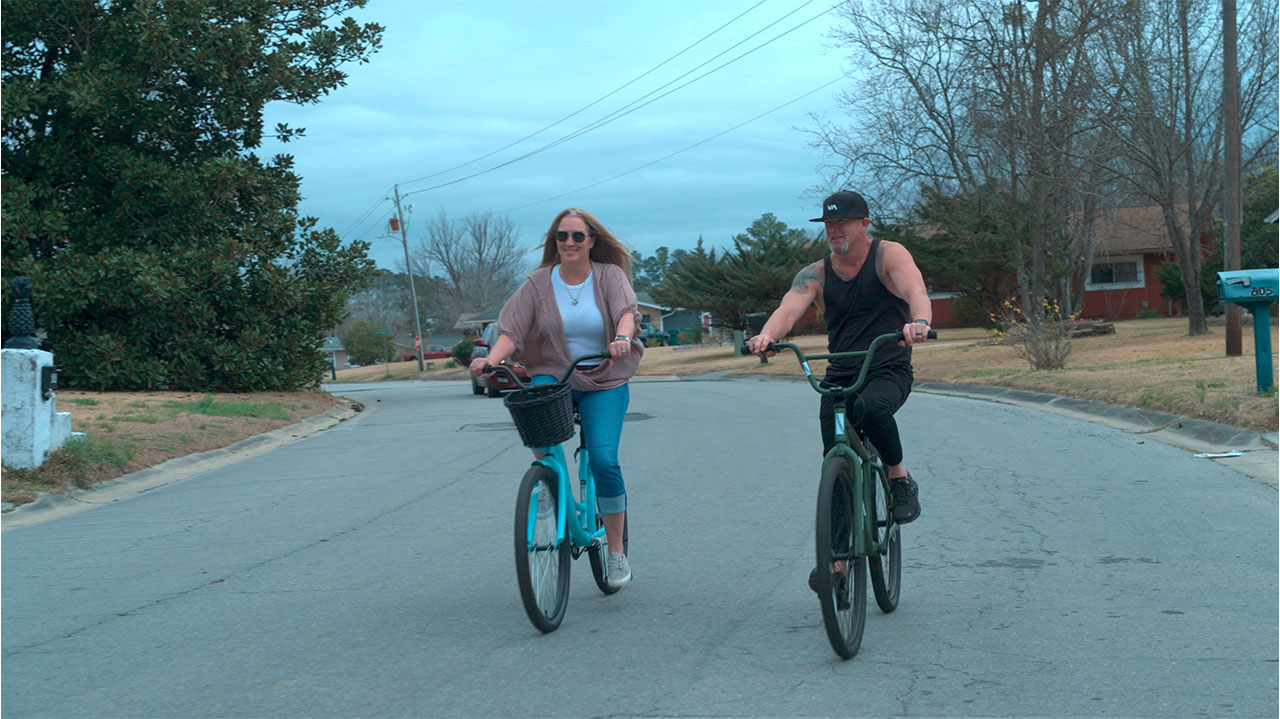
Also included in this Special Report is a raw and personal interview with Cate, Simon’s wife. Today she is thrilled with Simon’s progress, even calling hyperbaric oxygen therapy “God sent.”



Guest
Organizations
For more information about the guest organizations featured in this special, please click on the links.

North Carolina Hyperbaric Oxygen Therapy Clinic
Extivita RTP

NC HBOT for Veterans Program
The Community Foundation of NC East
Subscribe Now, It’s Free!
Recent HBOT News
Nonhealing Ulcers in Patients with Tophaceous Gout: A Systematic Review.
Abstract: To provide information from a review of the literature about chronic ulcers associated with tophaceous gout. This continuing education activity is intended for physicians, physician assistants, nurse practitioners, and nurses with an interest in skin and...
Clinical Trial – Oxygen as a Limiting Factor for Performing Multitasking
The Brain uses 20% of the total oxygen supply consumed by the entire body. Even though, less
than 10% of the brain is active at every given time, the brain utilizes almost all the oxygen
delivered. In order to perform different tasks or more than one task (multi-tasking), the
oxygen supply is shifted from one brain region to another, via modulation of blood perfusion.
The aim of the present study was to evaluate whether hyperbaric oxygen (HBO) environment,
with increased oxygen supply to the brain, will enable better performance of complex and/or
multiple activities.
Methods: a prospective, double blind randomized control, cross over trial including healthy
volunteers. Participants were asked to perform a cognitive task, a motor task and a
simultaneous cognitive-motor task (multi-tasking). Participants were randomized to perform
the tasks at 2 environments: (a) normobaric air (1ATA 21% oxygen) (b) HBO (2ATA 100% oxygen).
Two weeks later participants were crossed to the alternative environment. Blinding of the
normobaric environment was achieved in the same chamber with masks on while hyperbaric
sensation was simulated by increasing pressure in the first minute and gradually decreasing
to normobaric environment prior to tasks performance.
Skin Lesions in Swine with Decompression Sickness: Clinical Appearance and Pathogenesis.
Abstract: Skin lesions are visual clinical manifestations of decompression sickness (DCS). Comprehensive knowledge of skin lesions would give simple but strong clinical evidence to help diagnose DCS. The aim of this study was to systematically depict skin lesions and...