
Special Report – Veterans and HBOT
The unfortunate truth is that countless veterans, just like Simon, repeatedly battle suicidal thoughts. They struggle from their battle wounds and PTSD with each passing minute.
These brave souls protected our country, and it’s beyond time that we protect their future. Thankfully there is hope in HBOT.
Watch the 30 Minute Special Report
Veterans are at especially high risk for suicide due to the injuries they’ve endured and the horrific images they’ve seen. Post-traumatic stress disorder (PTSD) and traumatic brain injury (TBI) rank high among the reasons why veterans are choosing death over living. But there is hope for new beginnings. Hyperbaric oxygen therapy (HBOT) is helping war veterans turn their lives around.
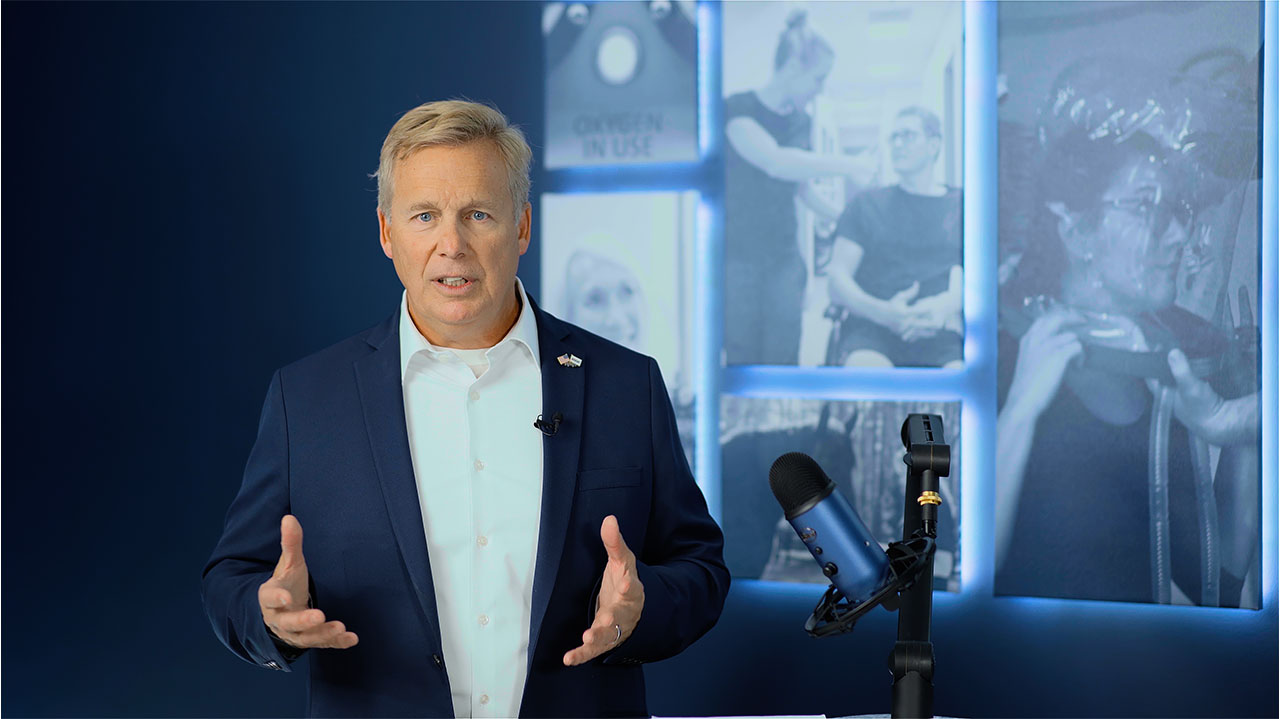
In this Special Report, Edward diGirolamo, host of the HBOT News Network, dives into HBOT and what the state of North Carolina is doing to help get veterans this life saving therapy. We hear from Melissa Spain, CEO of the Community Foundation of NC East, as she discusses their involvement to get NC Senate Bill 442 passed; a bill that has appropriated funds to provide HBOT to NC veterans who suffer from TBI and PTSD.
We are also greeted by Elena Schertz, Nurse Practitioner at Extivita-RTP in Durham, NC. Elena gives us a tour of their state-of-the-art clinic where soldiers are receiving HBOT. One of their veteran patients, Simon LeMay, agreed to share his story with us to help spread the hope that exists within the world of hyperbaric oxygen therapy.
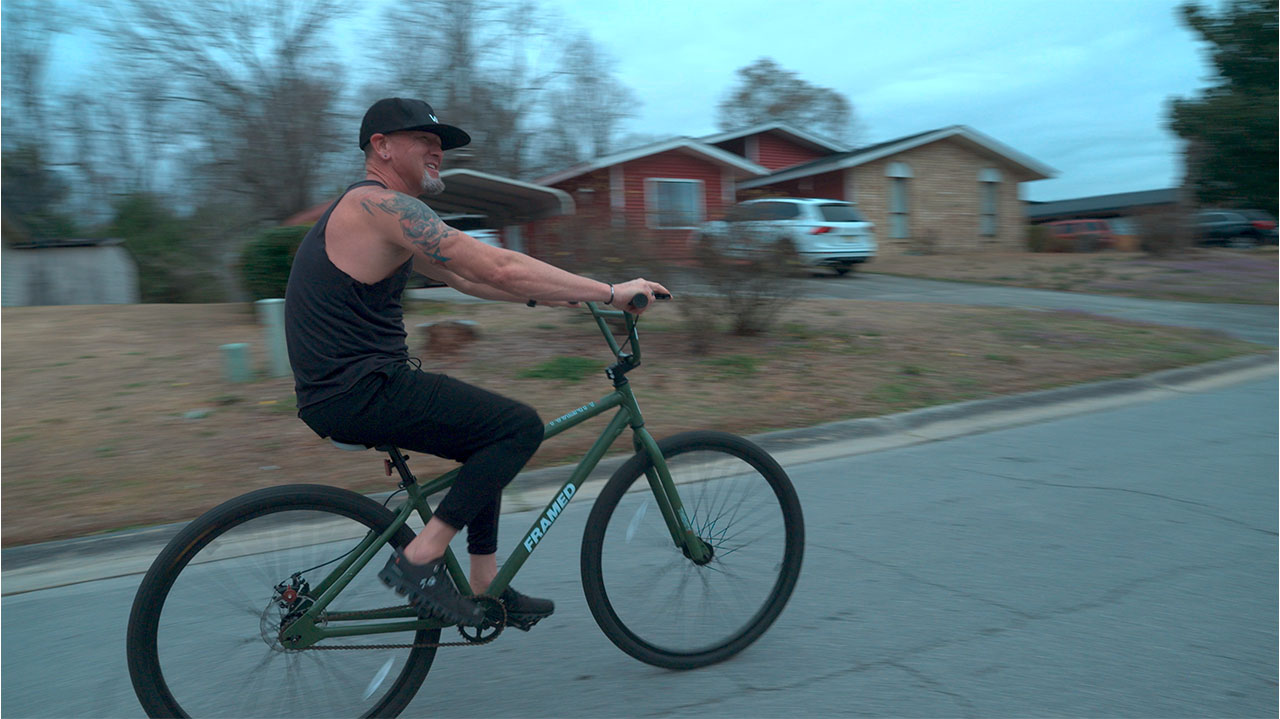
Meet a true American Hero, Simon LeMay, retired Sergeant Major with 25-years in the US Marine Corps. LeMay was deployed to Iraq and Afghanistan five times during a ten year period. He lost his best friend in battle and witnessed horrific incidents of violence and injury among his Marine bothers. Although LeMay was blessed to avoid serious physical injury to himself, he did come home with an invisible wound of war.
IED exposures left him with a TBI and visions of war and death haunted him with PTSD. Simon turned to alcohol and pain pills to ease the emotional and physical pain, leading him down a dark tunnel of depression and suicidal thoughts that almost ended in demise.
After hearing about it from friends, his loving family talked him into trying hyperbaric oxygen therapy to help heal his brain injuries. LeMay received treatment at Extivita- RTP in Durham, NC and states after 20-30 treatments he started realizing that he was once again “starting to feel emotion,” with the sense of worthlessness disappearing and the suicidal ideation being no more.
“I started looking forward to the next day,” Simon exclaims.
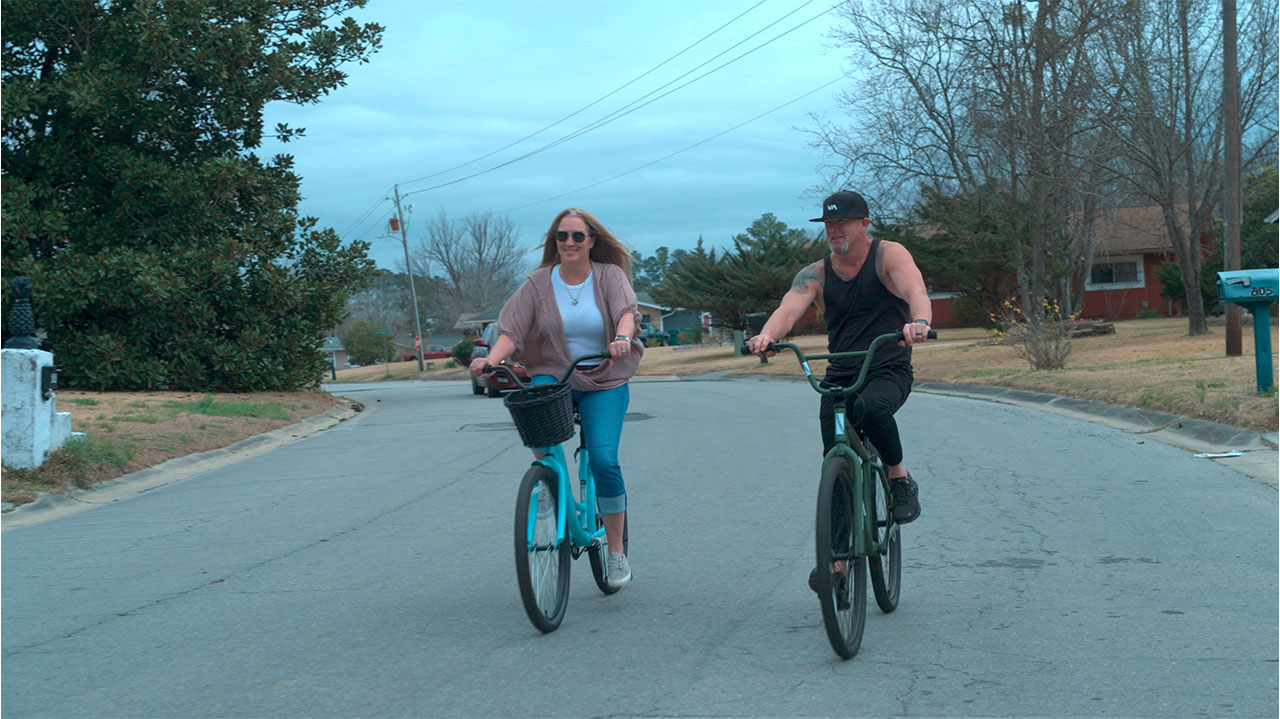
Also included in this Special Report is a raw and personal interview with Cate, Simon’s wife. Today she is thrilled with Simon’s progress, even calling hyperbaric oxygen therapy “God sent.”

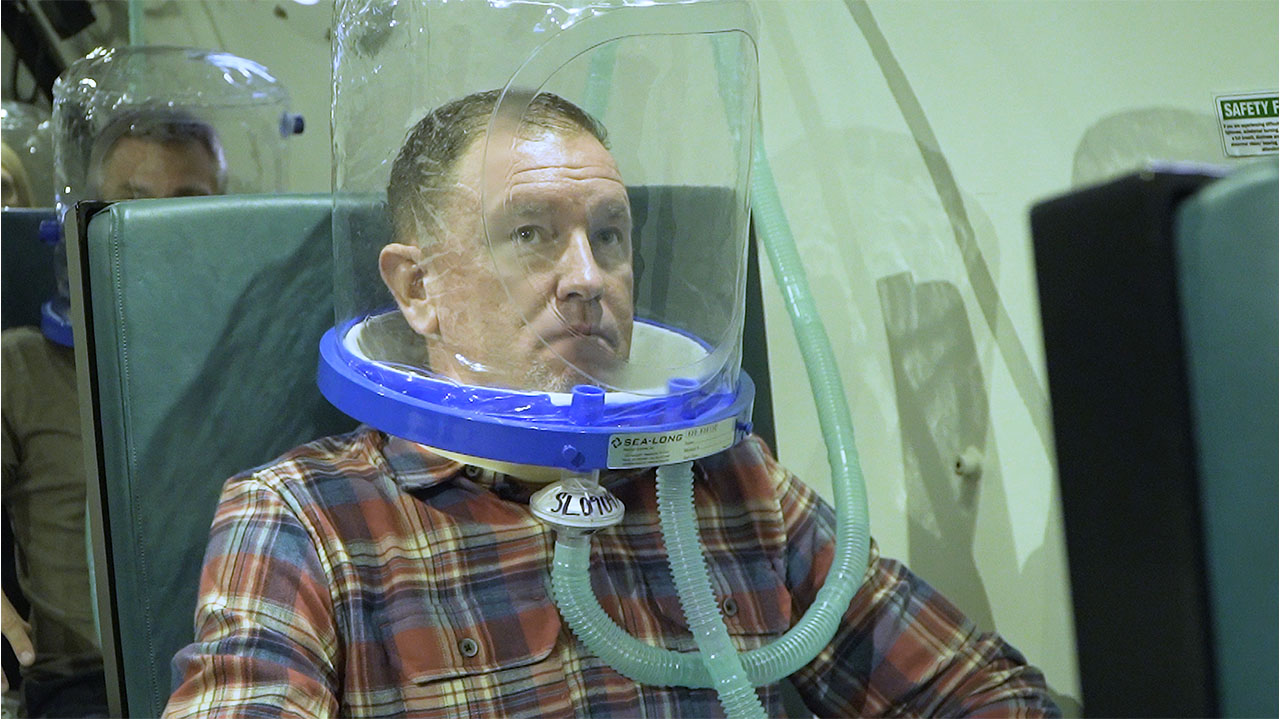

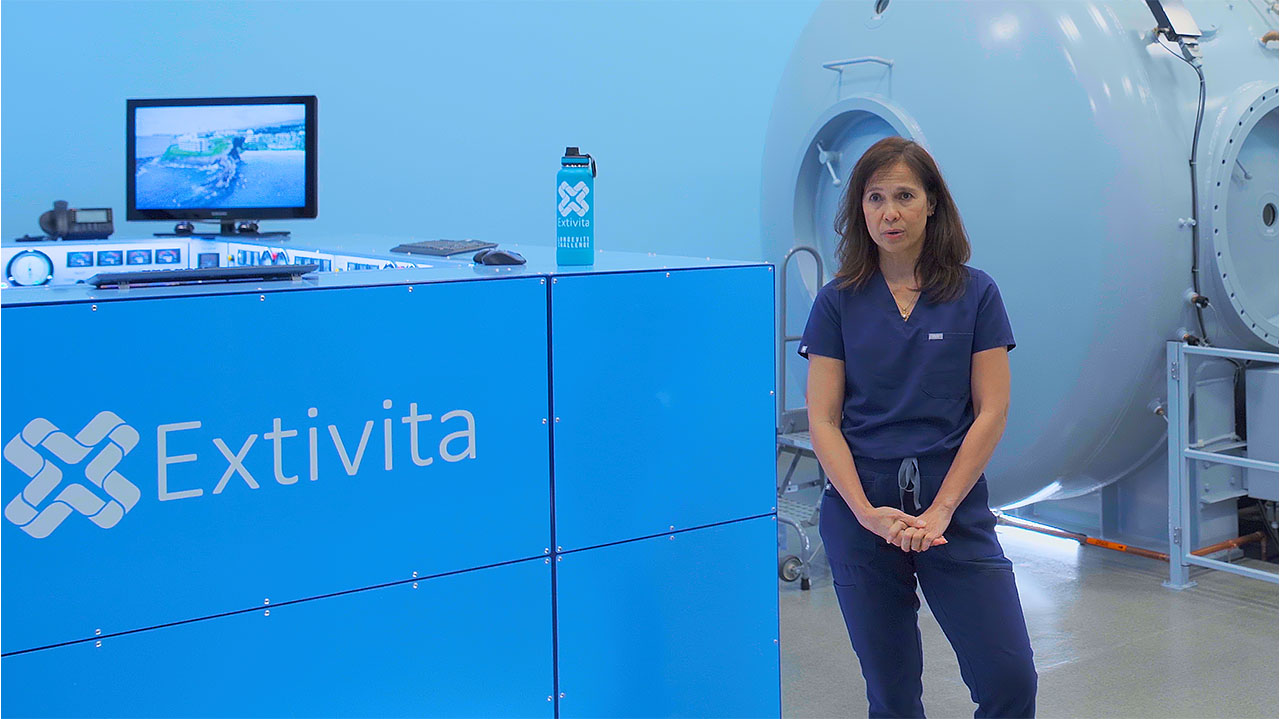
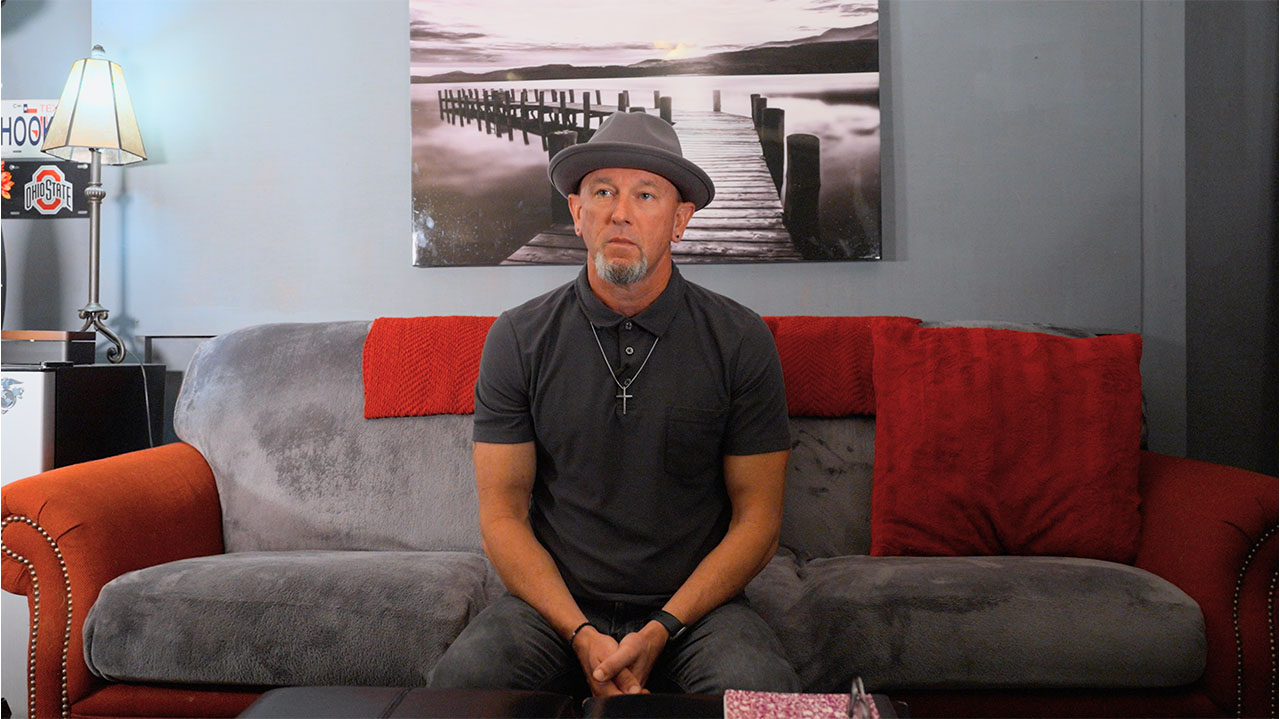
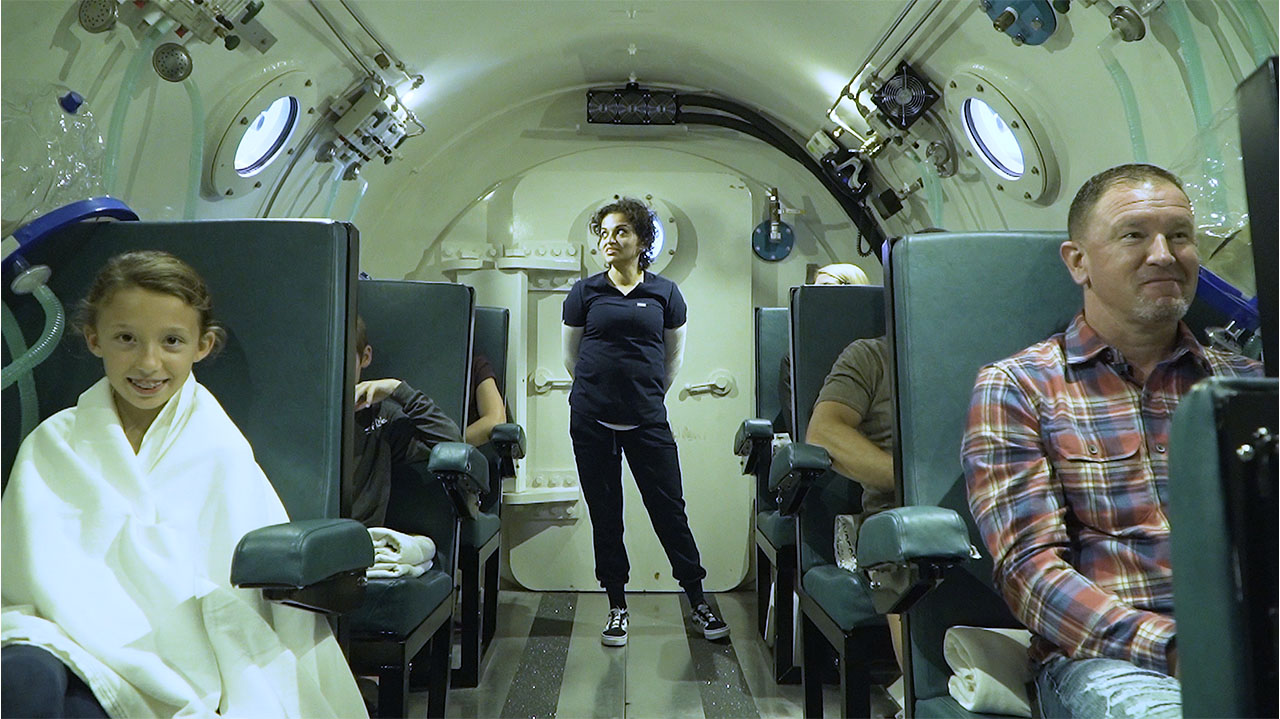

Guest
Organizations
For more information about the guest organizations featured in this special, please click on the links.

North Carolina Hyperbaric Oxygen Therapy Clinic
Extivita RTP

NC HBOT for Veterans Program
The Community Foundation of NC East
Subscribe Now, It’s Free!
Recent HBOT News
Low-dose Spinal Block With Continuous Epidural Infusion for Renal Transplantation in a Patient With Alport Syndrome: A Case Report.
Abstract: We aim to describe management of a patient receiving renal transplantation for chronic renal failure due to Alport syndrome with low dose of intrathecal bupivacaine and continuous epidural infusion of local anesthetic. A 38-years-old man with chronic renal...
Clinical Trial – Occult Carbon Monoxide Poisoning Detection by Pulsated Carboxymetry in an Emergency Department
In France, the carbon monoxide is one of the first causes of the accidental poisonings with
approximately 8000 cases a year, among which 500 deaths.
The severe forms are translated by neurological disorders even a coma or the death straight
away. The more insidious forms with a little carboxyhémoglobine level give rise to frustrate
clinical pictures, mimicking flu or intestinal syndromes. The syndrome post–intervallaire
corresponds to the appearance of remote neuropsychiatric disorders of the poisoning. Its
appearance and its gravity are not correlated in the gravity of the initial poisoning,
however the precocity of the treatment tends to decrease its frequency.
Carbon monoxide elimination is made under unchanged form in the expired air. In a spontaneous
way, the half-life in ambient air is of the order of 4 hours. In ventilation in isobaric pure
oxygen, the half-life is shortened at 80 minutes and in hyperbaric oxygen at 23 minutes.
This imposes a fast diagnosis for two reasons:
– For poisonings with low level, the more the investigators wait to measure the
carboxyhémoglobine (HBCO), the more they risk not to detect it.
– The oxygen therapy decreases the duration of the poisoning and thus the tissular
suffering.
Actually the risk is important to pass next to the diagnosis and to let leave a patient
without adapted care and without technical intervention to eliminate the source of the
poisoning.
Presently, to make the diagnosis, the investigators possess the analysis of the blood HbCO by
realization of gas of the venous blood, which are taken in emergencies, but very often a few
hours after the end of the exposure at the source of poisoning, what is translated by a
disappearance of the symptoms and an underestimate of the initial blood HbCO. Since 2005,
MASIMO laboratory commercialize a pulse carboxymètre, the RAD 57, which allows to estimate
the carboxyhémoglobinémie in a not invasive way.
Lot of studies showed the interest of its use in the early screening of carbon monoxide
poisonings, allowing a faster dosage of the blood HbCO, and thus an also faster adapted care.
Clinical Trial – Comparison of Two Regional Technics In Knee Artroplasty
Purpose: This prospective, randomised, controlled, single-blind, multicentre study was
designed to investigate the effects of peripheral nerve block methods (applied using
unilateral spinal anaesthesia [USA] on elderly patients scheduled to undergo total knee
arthroplasty) on perioperative haemodynamic parameters and the postoperative analgesia
period.
Materials and Methods: Sixty patients in the American Society of Anesthesiologists (ASA)
Physical Status II-III group were randomly divided into two groups. Spinal anaesthesia was
performed in the USA group, in the lateral position through the intervertebral space, with 2
ml of hyperbaric bupivacaine (L4-L5 or L3-L4); 0.5% bupivacaine hydrochloride and 2%
lidocaine were combined for the psoas compartment-sciatic (PCS) group, and the mixture was
used for psoas compartment block (PCB) and sciatic nerve block. The haemodynamic parameters
were recorded every 5 minutes until the end of the preoperative and perioperative operation
periods and postoperative first analgesic application time.