
Special Report – Veterans and HBOT
The unfortunate truth is that countless veterans, just like Simon, repeatedly battle suicidal thoughts. They struggle from their battle wounds and PTSD with each passing minute.
These brave souls protected our country, and it’s beyond time that we protect their future. Thankfully there is hope in HBOT.
Watch the 30 Minute Special Report
Veterans are at especially high risk for suicide due to the injuries they’ve endured and the horrific images they’ve seen. Post-traumatic stress disorder (PTSD) and traumatic brain injury (TBI) rank high among the reasons why veterans are choosing death over living. But there is hope for new beginnings. Hyperbaric oxygen therapy (HBOT) is helping war veterans turn their lives around.
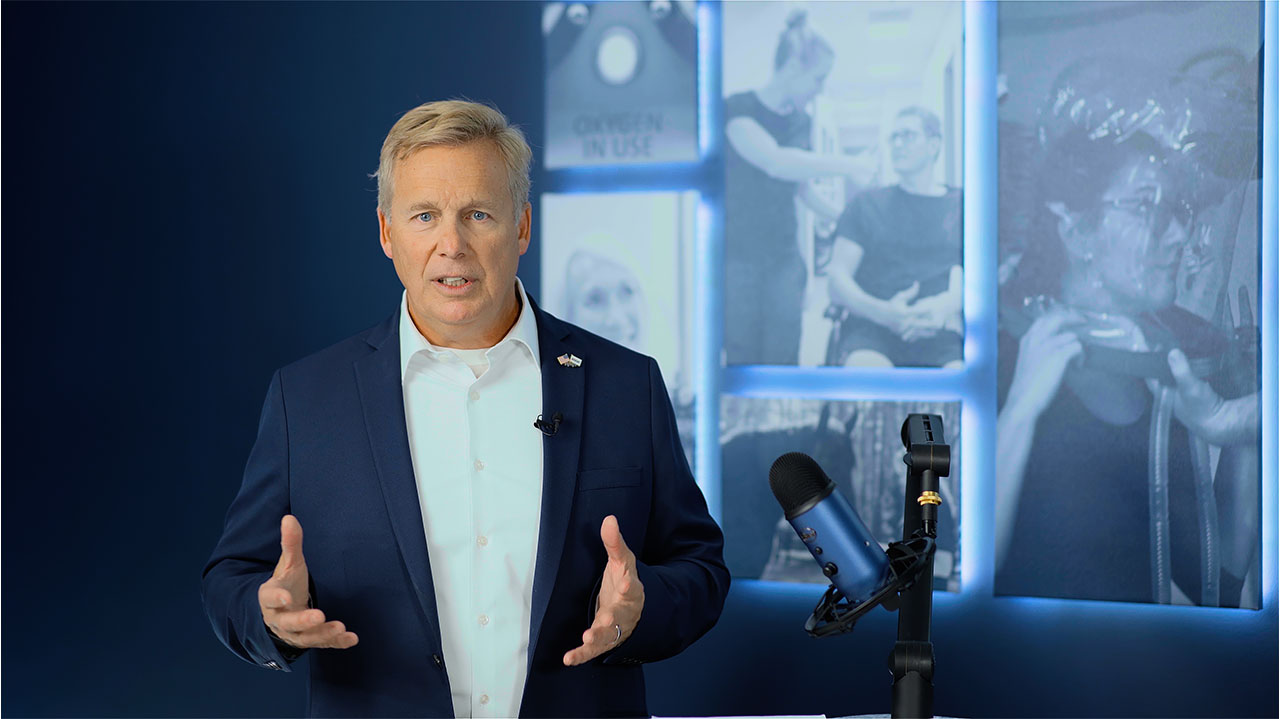
In this Special Report, Edward diGirolamo, host of the HBOT News Network, dives into HBOT and what the state of North Carolina is doing to help get veterans this life saving therapy. We hear from Melissa Spain, CEO of the Community Foundation of NC East, as she discusses their involvement to get NC Senate Bill 442 passed; a bill that has appropriated funds to provide HBOT to NC veterans who suffer from TBI and PTSD.
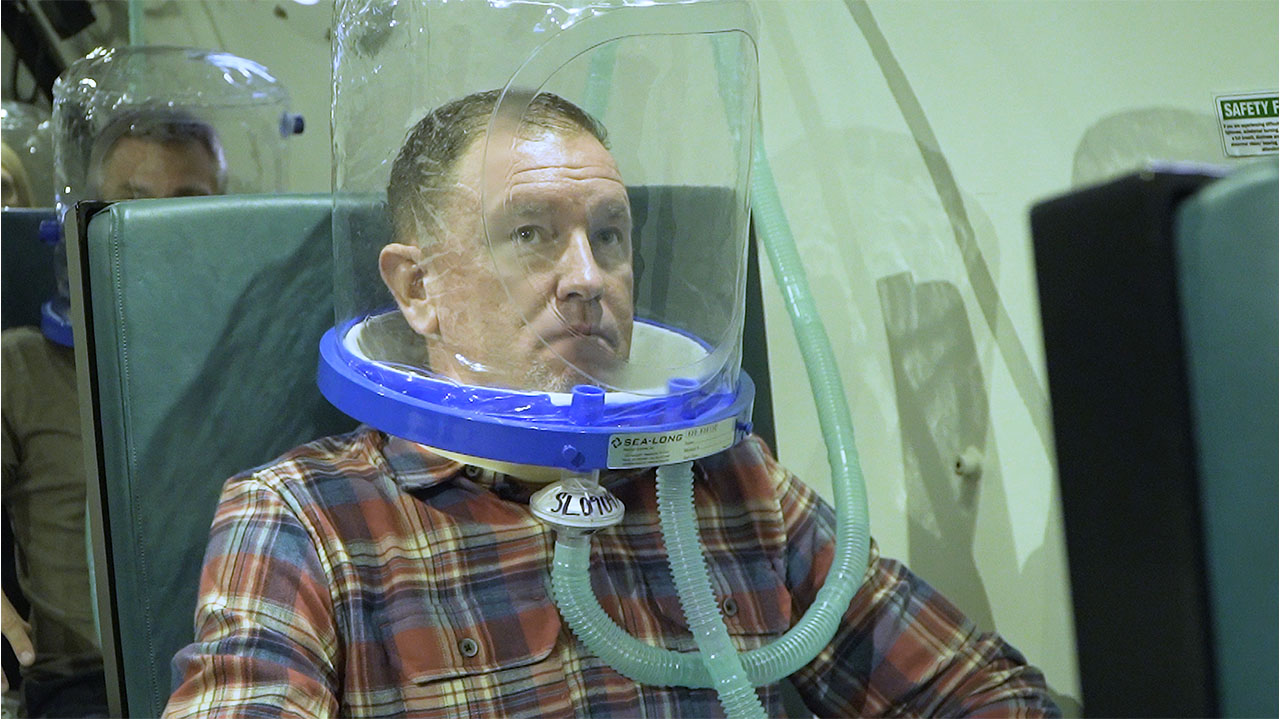
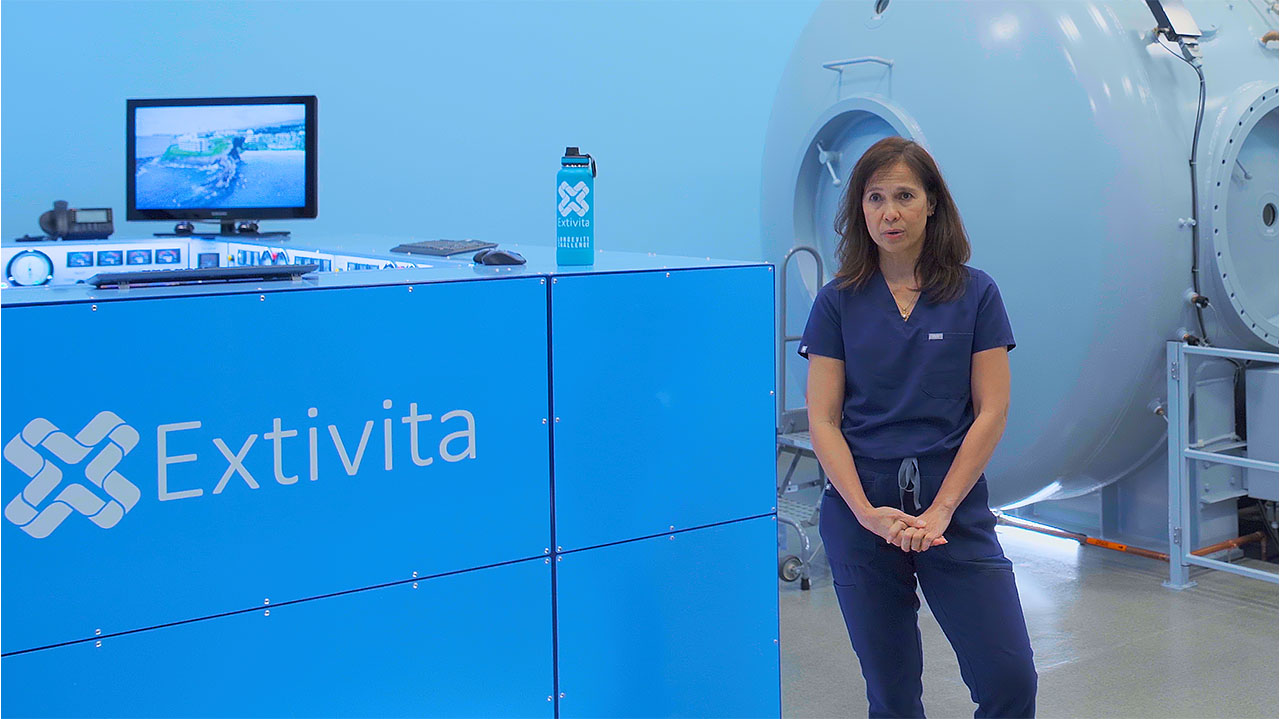
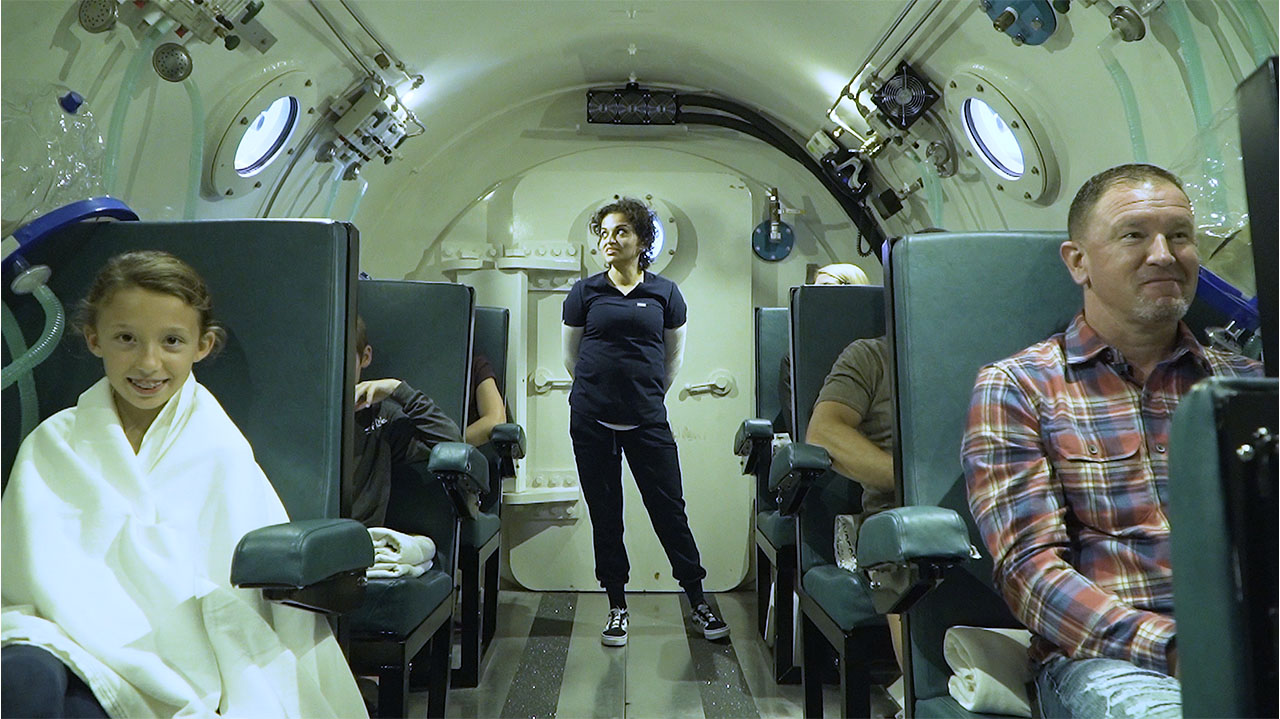
We are also greeted by Elena Schertz, Nurse Practitioner at Extivita-RTP in Durham, NC. Elena gives us a tour of their state-of-the-art clinic where soldiers are receiving HBOT. One of their veteran patients, Simon LeMay, agreed to share his story with us to help spread the hope that exists within the world of hyperbaric oxygen therapy.
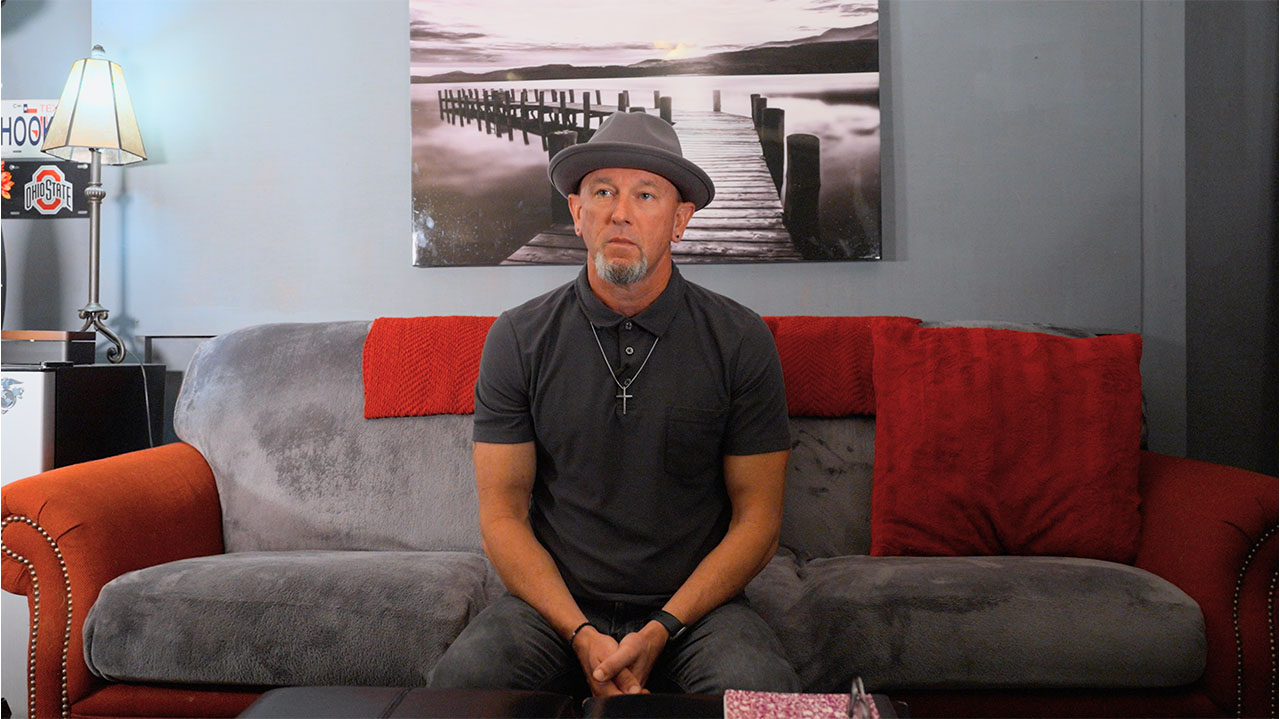
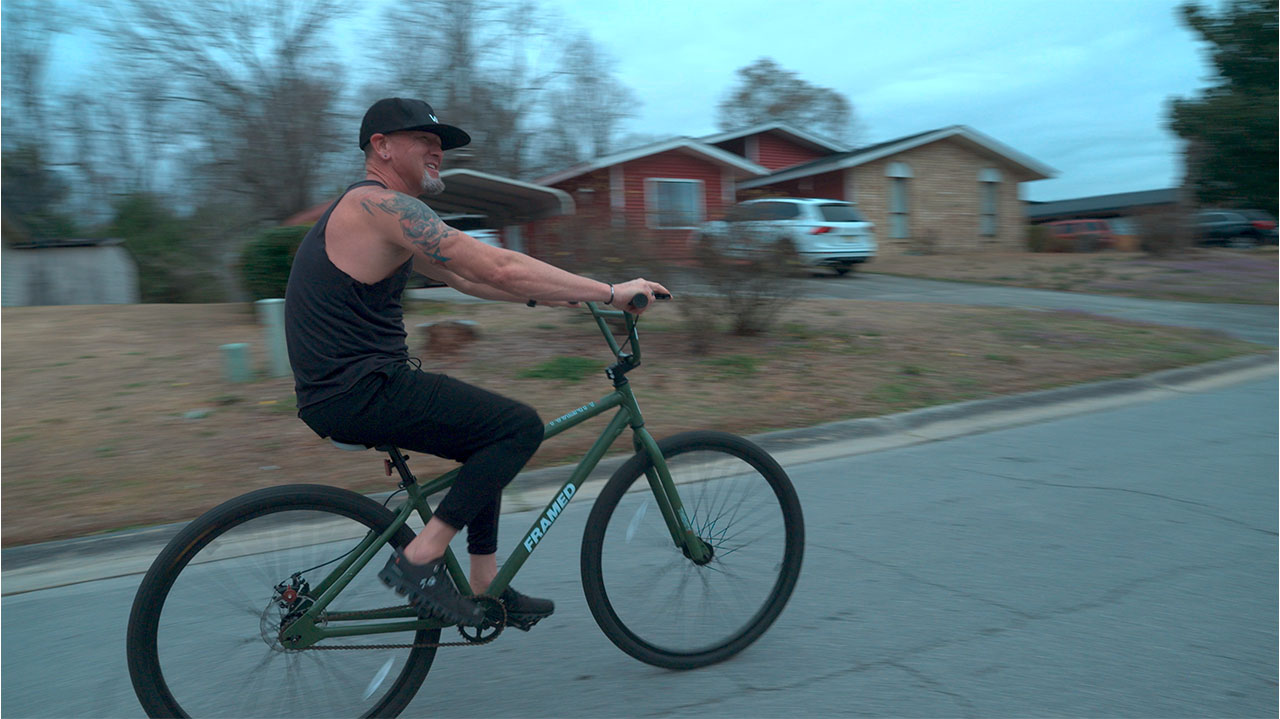
Meet a true American Hero, Simon LeMay, retired Sergeant Major with 25-years in the US Marine Corps. LeMay was deployed to Iraq and Afghanistan five times during a ten year period. He lost his best friend in battle and witnessed horrific incidents of violence and injury among his Marine bothers. Although LeMay was blessed to avoid serious physical injury to himself, he did come home with an invisible wound of war.
IED exposures left him with a TBI and visions of war and death haunted him with PTSD. Simon turned to alcohol and pain pills to ease the emotional and physical pain, leading him down a dark tunnel of depression and suicidal thoughts that almost ended in demise.
After hearing about it from friends, his loving family talked him into trying hyperbaric oxygen therapy to help heal his brain injuries. LeMay received treatment at Extivita- RTP in Durham, NC and states after 20-30 treatments he started realizing that he was once again “starting to feel emotion,” with the sense of worthlessness disappearing and the suicidal ideation being no more.
“I started looking forward to the next day,” Simon exclaims.
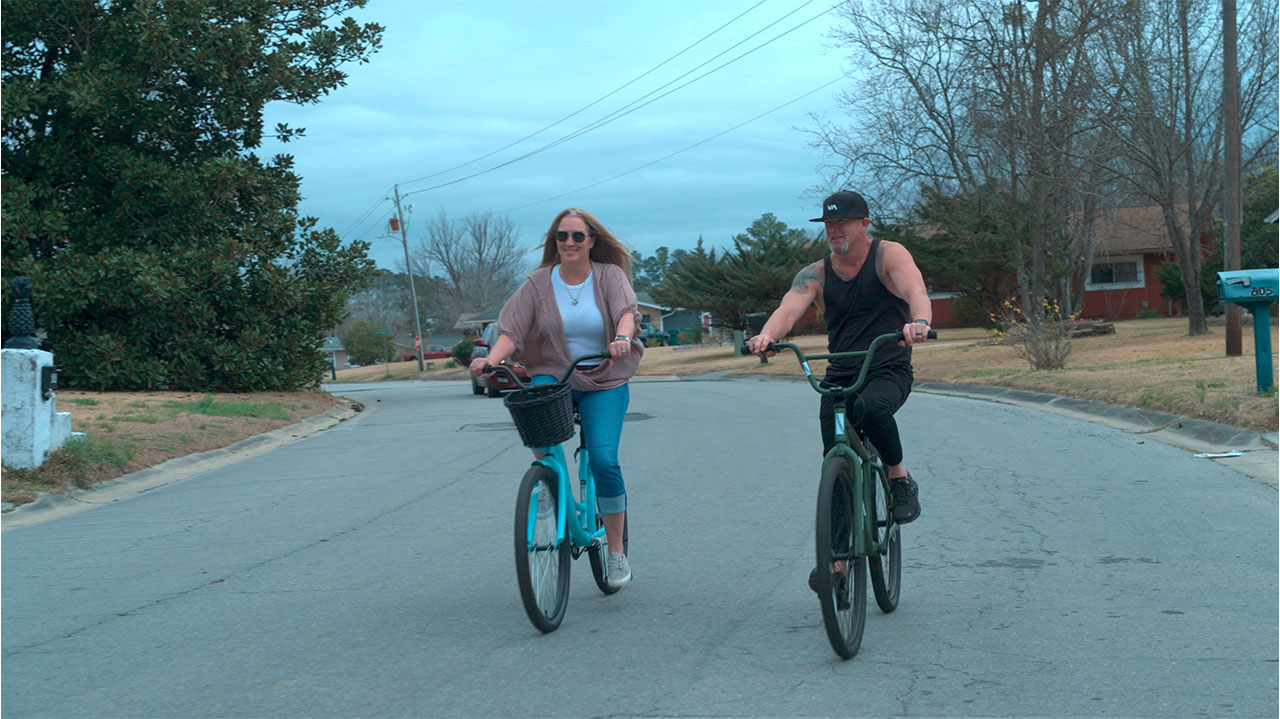
Also included in this Special Report is a raw and personal interview with Cate, Simon’s wife. Today she is thrilled with Simon’s progress, even calling hyperbaric oxygen therapy “God sent.”



Guest
Organizations
For more information about the guest organizations featured in this special, please click on the links.

North Carolina Hyperbaric Oxygen Therapy Clinic
Extivita RTP

NC HBOT for Veterans Program
The Community Foundation of NC East
Subscribe Now, It’s Free!
Recent HBOT News
Risk Factors and Outcome Analysis in Children with Carbon Monoxide Poisoning.
Abstract: Carbon monoxide (CO) poisoning is one of the common causes of poisoning in patients and can result in significant morbidity and mortality. However, few studies have focused on the pediatric group. We retrospectively reviewed children (age < 18 years) with CO...
Normobaric and hyperbaric oxygen therapy for the treatment and prevention of migraine and cluster headache.
Abstract: Migraine and cluster headaches are severe and disabling. Migraine affects up to 18% of women, while cluster headaches are much less common (0.2% of the population). A number of acute and prophylactic therapies are available. Hyperbaric oxygen therapy (HBOT)...
Clinical Trial – Dose-finding Study of Intrathecal Paracetamol Administered Immediately Before Spinal Anaesthesia
This is a prospective, single centre, two-part, three doses study. Part 1 is a Phase I, three
cohorts, dose-ascending, open-label, safety study. Part 2 is a Phase II, randomised,
parallel-group, double-blind, placebo-controlled, exploratory efficacy and safety study The
objective of the study is to investigate the efficacy and safety of a single intrathecal
injection of paracetamol, administered at 3 doses to 3 active treatment groups, as compared
to placebo solution, for post-operative analgesia of hip replacement surgery performed under
spinal anaesthesia. Patients scheduled for hip replacement surgery will be randomised into 4
treatment groups (15 patients per group) to receive either one of the 3 single doses of
paracetamol 3% (D1: 60 mg, D2: 90 mg, D3: 120 mg) or placebo solution (P: saline solution) by
intrathecal (IT) injection. Immediately after paracetamol or placebo IT administration, all
patients will receive a single IT dose of Hyperbaric Bupivacaine HCl 0.5% (12.5 mg for ≤ 160
cm-tall patients and 15 mg for > 160 cm-tall patients). The time interval between paracetamol
IT and bupivacaine IT administrations should not exceed 2 min.
The study will include a screening phase (Visit 1, Days -21/1), a treatment phase
(paracetamol IT administration, anaesthesia and surgical procedure: Visit 2, Day 1) and a
follow-up phase including an observation period (Visit 3, from Day 1 after surgery until
discharge, a final visit (at discharge) and a follow-up (day 6±1). Pain at rest will be
assessed at screening and on visit 2 at baseline (0 h), 1, 2, 3, 6, 9, 12, 15, 18, 21, 24,
27, 30, 33, 36, 39, 42, 45 and 48 h after anaesthetic IT injection and at discharge, using a
0-100 mm VAS.