
Special Report – Veterans and HBOT
The unfortunate truth is that countless veterans, just like Simon, repeatedly battle suicidal thoughts. They struggle from their battle wounds and PTSD with each passing minute.
These brave souls protected our country, and it’s beyond time that we protect their future. Thankfully there is hope in HBOT.
Watch the 30 Minute Special Report
Veterans are at especially high risk for suicide due to the injuries they’ve endured and the horrific images they’ve seen. Post-traumatic stress disorder (PTSD) and traumatic brain injury (TBI) rank high among the reasons why veterans are choosing death over living. But there is hope for new beginnings. Hyperbaric oxygen therapy (HBOT) is helping war veterans turn their lives around.
In this Special Report, Edward diGirolamo, host of the HBOT News Network, dives into HBOT and what the state of North Carolina is doing to help get veterans this life saving therapy. We hear from Melissa Spain, CEO of the Community Foundation of NC East, as she discusses their involvement to get NC Senate Bill 442 passed; a bill that has appropriated funds to provide HBOT to NC veterans who suffer from TBI and PTSD.
We are also greeted by Elena Schertz, Nurse Practitioner at Extivita-RTP in Durham, NC. Elena gives us a tour of their state-of-the-art clinic where soldiers are receiving HBOT. One of their veteran patients, Simon LeMay, agreed to share his story with us to help spread the hope that exists within the world of hyperbaric oxygen therapy.
Meet a true American Hero, Simon LeMay, retired Sergeant Major with 25-years in the US Marine Corps. LeMay was deployed to Iraq and Afghanistan five times during a ten year period. He lost his best friend in battle and witnessed horrific incidents of violence and injury among his Marine bothers. Although LeMay was blessed to avoid serious physical injury to himself, he did come home with an invisible wound of war.
IED exposures left him with a TBI and visions of war and death haunted him with PTSD. Simon turned to alcohol and pain pills to ease the emotional and physical pain, leading him down a dark tunnel of depression and suicidal thoughts that almost ended in demise.
After hearing about it from friends, his loving family talked him into trying hyperbaric oxygen therapy to help heal his brain injuries. LeMay received treatment at Extivita- RTP in Durham, NC and states after 20-30 treatments he started realizing that he was once again “starting to feel emotion,” with the sense of worthlessness disappearing and the suicidal ideation being no more.
“I started looking forward to the next day,” Simon exclaims.
Also included in this Special Report is a raw and personal interview with Cate, Simon’s wife. Today she is thrilled with Simon’s progress, even calling hyperbaric oxygen therapy “God sent.”

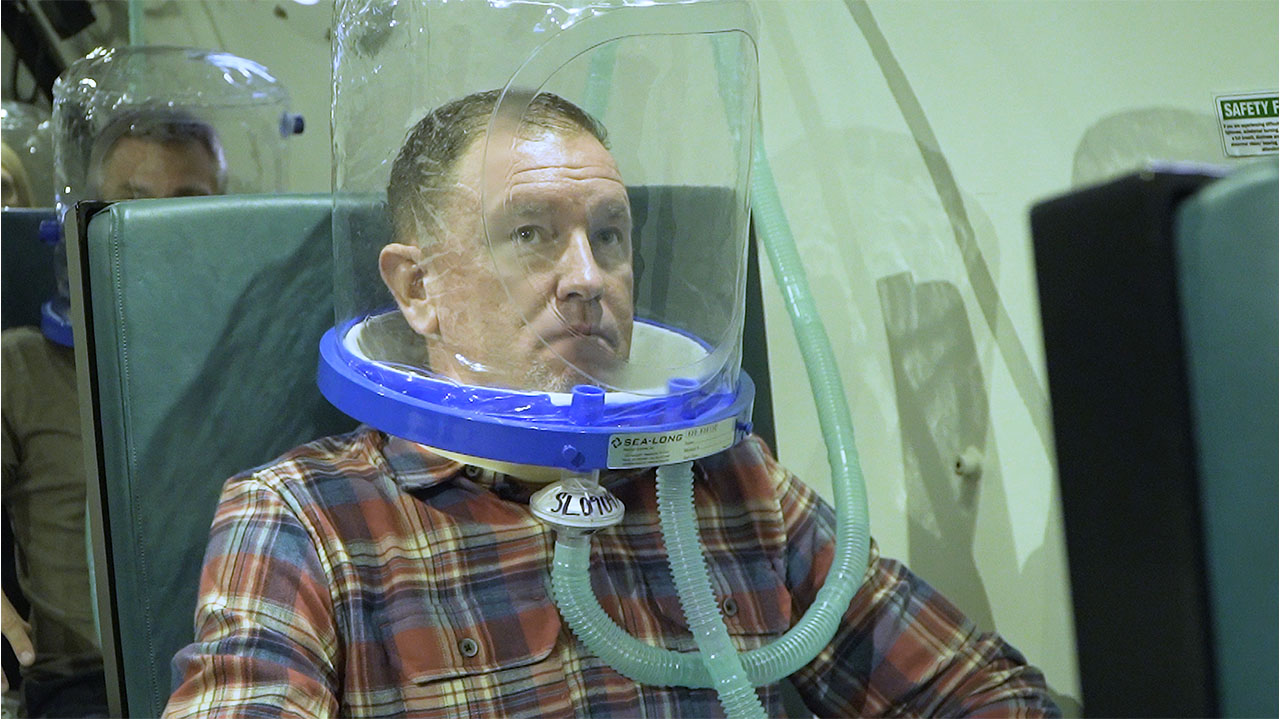

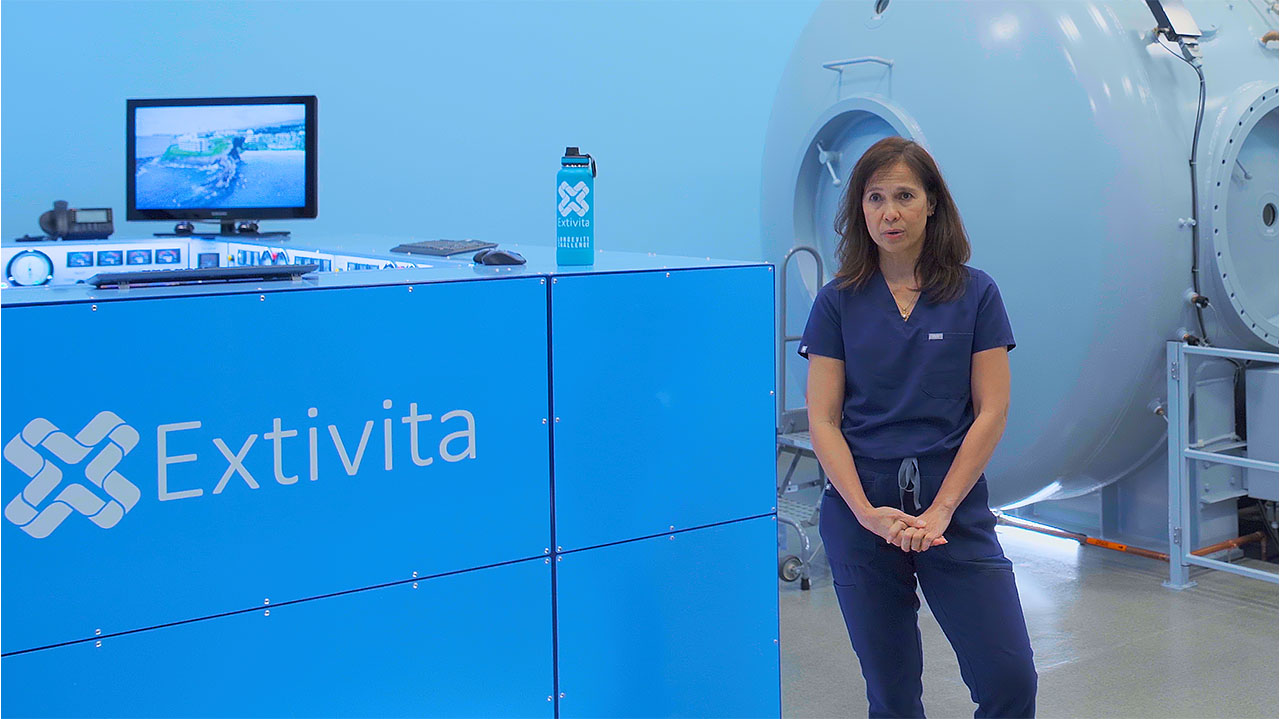
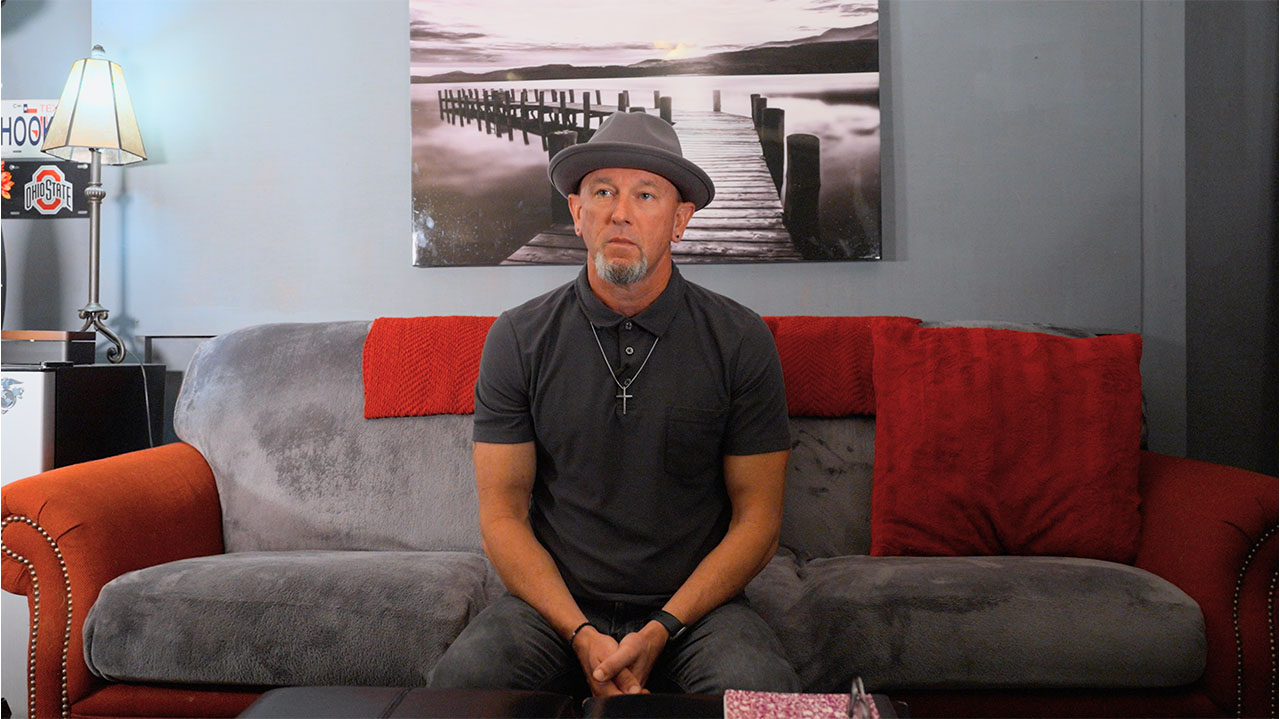
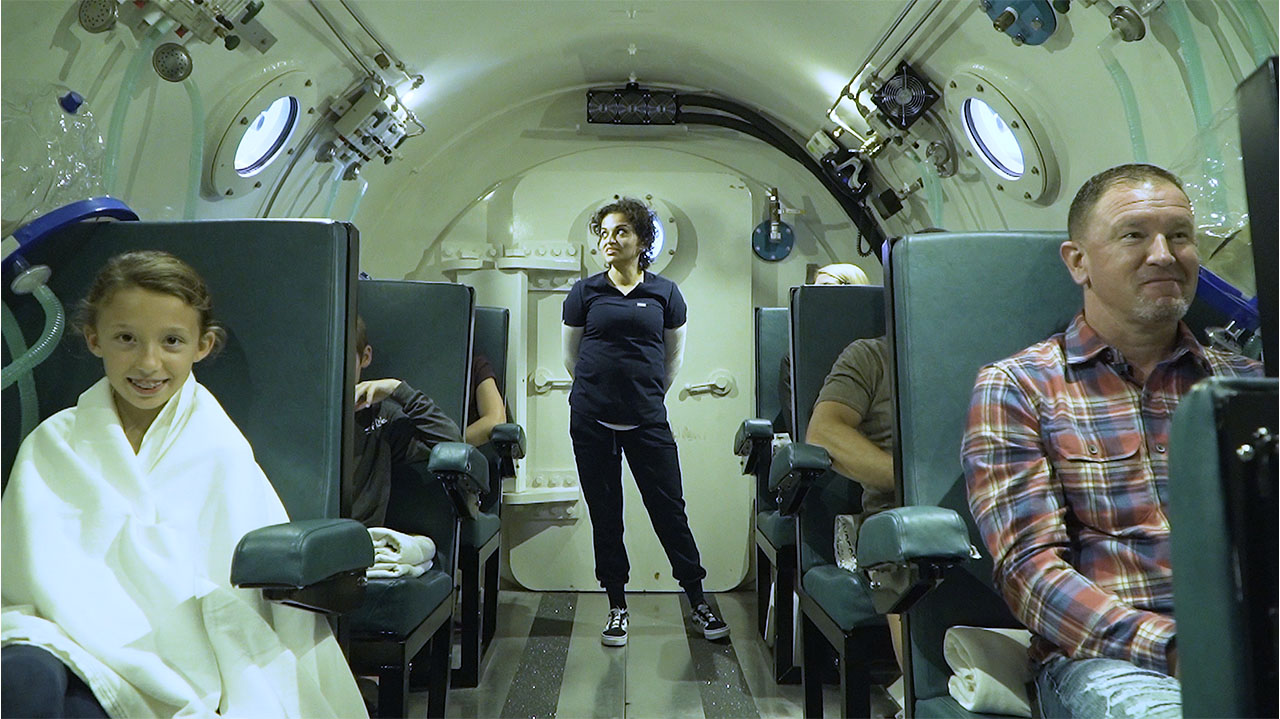




Guest
Organizations
For more information about the guest organizations featured in this special, please click on the links.

North Carolina Hyperbaric Oxygen Therapy Clinic
Extivita RTP

NC HBOT for Veterans Program
The Community Foundation of NC East
Subscribe Now, It’s Free!
Recent HBOT News
Clinical Trial – Dexmedetomidine Versus Magnesium Sulphate for Caesarean Delivery
Regional anesthesia has become more popular in cesarean deliveries because most of the
parturients prefer being awake during the birth process. In addition, regional anesthesia may
be a safer method than general. In spinal anesthesia local anesthetics alone may not be
enough for an effective postoperative analgesia and hemodynamic stability of the patient wich
is crucial during cesarean section. So far many adjuvants have been used to augment the
analgesia produced by intrathecal local anesthetics and to reduce their adverse effects .
Various intrathecal adjuvants to local anaesthetics have found to improve the quality and
extend duration of spinal block. Prolongation of duration of spinal block is desirable both
for long procedures and for postoperative pain relief. Efficacy and safty of intrathecal
magnesium as analgesic adjuvant has been tested by several clinical trails in recent
years.Antinociceptive effect of magnesium appears to be relevant for the management of
chronic and post operative pain. These effects are primarily based on regulation of calcium
influx in to the cell. Magnesium blocks calcium influx and non competitively antagonizes NMDA
channels. NMDA receptor signelling plays an impartent in determining the duration of acute
pain3).) addition of magnesium to spinal anaesthesia improved postoperative analgesia in
orthopedic setting. addition of intrathecal magnesium sulfate to 10 mg bupivacaine plus 25µg
fentanyl prolonged spinal anaesthesia in patients undergoing lower extremity surgery.
Dexmedetomidine is a highly selective 2-adrenergic agonist which has been used as
pre-medication and as an adjuvant to general anesthesia.Dexmedetomidine have several
beneficial actions during perioperative period. They decrease sympathetic tone with
attenuation of the neuroendocrine and haemodynamic response to anaesthesia and surgery,
reduce anaesthetic and opiod requirement, cause sedation and analgesia. Dexmedetomidine was
first introduced into clinical practice as a short term intravenous sedative in intensive
care. Like any other adjuvant dexmedetomidine is not free from adverse effects. Use of
dexmedetomidine is often associated with a decrease in heart rate and blood
pressure.Dexmedetomidine was used to enhance the analgesic property of local anaesthetics
like lidocaine bupivacaine and ropivacaine. In vivo and in vitro studies indicated that these
local anaesthetics had significant neurotoxicity. Dexmedetomidine showed protective or growth
promoting properties in tissues, including nerve cells from cortex. Intrathecal
dexmedetomidine has a neuroprotective effect similar to methylprednisolone.
The mechanism by which intrathecal alpha 2-adrenergic agonists prolong the motor and sensory
block of local anesthetics is not clear. It may be an additive or synergistic effect
secondary to the different mechanisms of action of local anesthetic and alpha 2 adrenergic
agonist. The local anesthetics act by blocking sodium channels, whereas the alpha 2
adrenergic agonist acts by binding to pre synapyic C fibre and post synaptic dorsal horn
neurons. Intrathecal alpha 2 adrenergic agonist produce analgesia by depressing the realease
of C fibre transmission by hyperpolarization of post synaptic dorsal horn neurons. Li et al
observed that Glutamate is involved in excitatory neurotransmission nociception and plays an
essential role in relaying noxious stimuli in the spinal cord. Intrathecal injection of alpha
2 adrenergic agonists produces potent antinociceptive effects by altering spinal
neurotransmitter release and effectively treats acute pain.
Efficacy of hyperbaric oxygen therapy combined with mild hyperthermia for improving the anti-tumour effects of carboplatin.
Abstract: The aim of this study was to evaluate the effects of hyperbaric oxygen therapy (HBO) on the enhancement of hyperthermic chemosensitisation to carboplatin at mild temperatures in experimental tumours. SCCVII carcinoma in C3H/He mice was used to assess tumour...
Adjunctive hyperbaric oxygen therapy for diabetic foot ulcers: An editorial perspective.
Abstract: Huang, , , , , , , , (). Adjunctive hyperbaric oxygen therapy for diabetic foot ulcers: An editorial perspective. Undersea & hyperbaric medicine : journal of the Undersea and Hyperbaric Medical Society, Inc,...