
HBOT Conversations:
Join us for interviews with researchers, practitioners, industry experts, and patients to share their stories, successes, and expertise relative to hyperbaric oxygen therapy
Subscribe. Join the discussion. Share the hope.
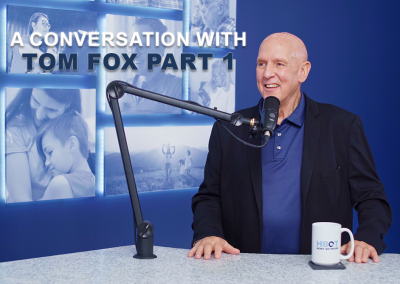
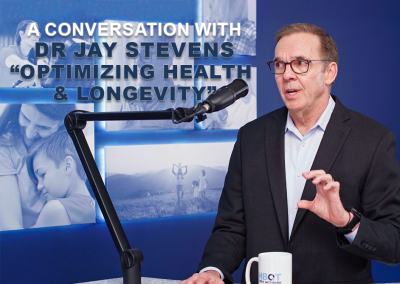
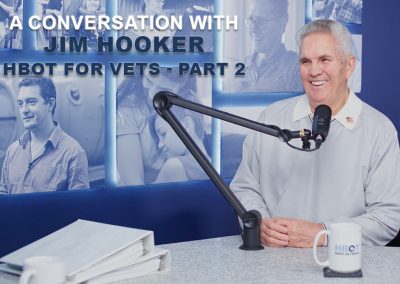
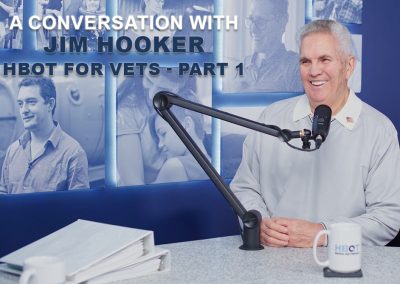
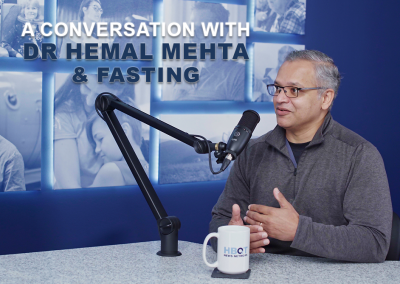
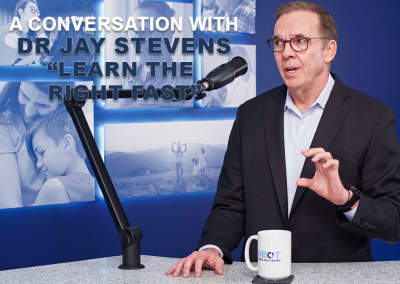
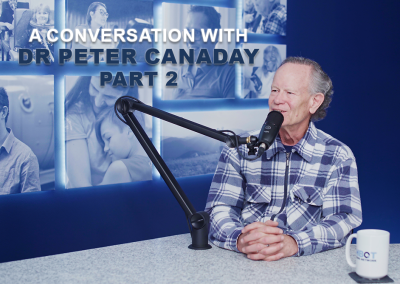
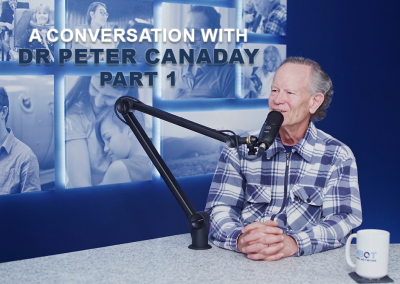
Listen to or Watch the HBOT Conversations Podcast
Listen to the HBOT Converstations podcast by downloading it from your favorite podcasting platform or scroll down and watch an episode here on the HBOT News website:


Watch the HBOT Conversations Podcast










Subscribe Now, It’s Free !
Recent HBOT News
Topical hyperbaric oxygen and low-energy laser for the treatment of chronic ulcers.
Abstract: Diabetic foot ulcers (DFU) and chronic venous ulcers (CVU) are persistent cutaneous lesions that are difficult to treat and heal. Topical hyperbaric oxygen (THO) and low-energy laser (LEL) are therapies that have been employed separately for ulcer treatment,...
Alternative and complementary therapies in multiple sclerosis.
Most MS patients use unconventional therapies, usually as complementary measures in addition to the conventional treatment. Only a few adequate clinical trials exist in this field. By definition, the efficacy of these therapies is unproven. Moreover, the possible risks are also largely unknown. Some therapies rely on rational pathophysiological considerations, other must be regarded as potentially harmful. The influence of diet on MS is unproven. Possibly, unsaturated fatty acids are beneficial. However, a few randomized trials yielded inconclusive results. Long-term supplementation of Vitamin D is associated with a decreased MS incidence. There is, however, insufficient evidence for an influence of Vitamin D on the course of the disease. Because of the high prevalence of osteoporosis in MS patients, prophylaxis with Vitamin D and Calcium is widely accepted. The effects of various minerals, selenium, antioxidant compounds, fish oil or vitamins remain speculative.
Intracoronary aqueous oxygen perfusion, performed 24 h after the onset of postinfarction reperfusion, experimentally reduces infarct size and improves left ventricular function.
Abstract: Intracoronary aqueous oxygen (AO) hyperoxemic perfusion, initiated shortly (15-30 min) after the onset of postinfarction reperfusion, reduces infarct size and improves left ventricular function. Whether such therapy provides similar benefits when...