
HBOT Conversations:
Join us for interviews with researchers, practitioners, industry experts, and patients to share their stories, successes, and expertise relative to hyperbaric oxygen therapy
Subscribe. Join the discussion. Share the hope.
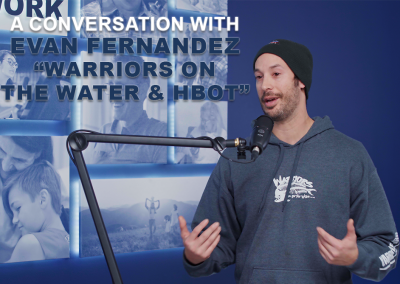
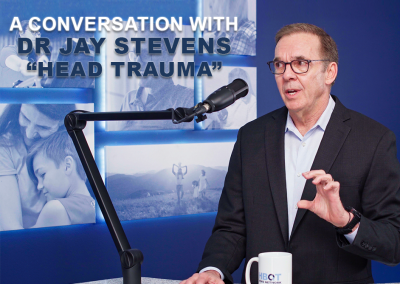
Listen to or Watch the HBOT Conversations Podcast
Listen to the HBOT Converstations podcast by downloading it from your favorite podcasting platform or scroll down and watch an episode here on the HBOT News website:


Watch the HBOT Conversations Podcast























Subscribe Now, It’s Free !
Recent HBOT News
Baseline vestibular and auditory findings in a trial of post-concussive syndrome
Abstract: Previous studies have reported high rates of auditory and vestibular-balance deficits immediately following head injury. This study uses a comprehensive battery of assessments to characterize auditory and vestibular function in 71 U.S. military service...
Decompression sickness among diving fishermen in Mexico: observational retrospective analysis of DCS in three sea cucumber fishing seasons.
The probabilities of decompression sickness (DCS) among diving fishermen are higher than in any other group of divers. Diving behavior of artisanal fishermen has been directed mainly to target high-value species. The aim of this study was to learn about the occurrence of DCS derived from sea cucumber harvesting in the Yucatán Peninsula, Mexico. We conducted a retrospective chart review of diving fishermen treated at a multiplace hyperbaric chamber in Tizimín, Mexico. In total, 233 recompression therapies were rendered to 166 diving fishermen from 2014 to 2016. The average age was 36.7 ± 9.2 years (range: 20-59 years); 84.3% had experienced at least one DCS event previously. There was a correlation between age and DCS incidents (F: 8.3; R2: 0.07) and differences in the fishing depth between seasons (H: 9.99; p⟨0.05). Musculoskeletal pain was the most frequently reported symptom. Three divers, respectively, suffered permanent hearing loss, spinal cord injury and fatal outcome. Diving fishermen experience DCS at an alarmingly high rate, probably due to the type of species targeted, given the requirements in each case. Understanding divers’ behaviors and their incentives while in pursuit of high-value species such as sea cucumber could help to find ways to mitigate health risks and help enforce regulation.
Cave canem: HBO₂ therapy efficacy on Capnocytophaga canimorsus infections: a case series.
Abstract: Dog bites are a frequent injury, but the incidence and type of lesions vary across countries. Although only few patients develop complications, the treatment of advanced injuries has a considerable medical, social and economic impact. A frequently isolated...