
HBOT Conversations:
Join us for interviews with researchers, practitioners, industry experts, and patients to share their stories, successes, and expertise relative to hyperbaric oxygen therapy
Subscribe. Join the discussion. Share the hope.
Listen to or Watch the HBOT Conversations Podcast
Listen to the HBOT Converstations podcast by downloading it from your favorite podcasting platform or scroll down and watch an episode here on the HBOT News website:


Watch the HBOT Conversations Podcast

















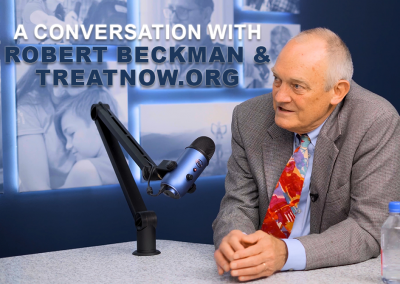
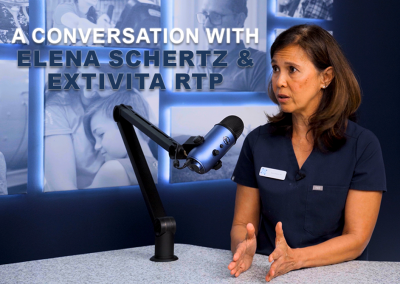
Subscribe Now, It’s Free !
Recent HBOT News
Hyperbaric Oxygen Therapy Is Associated With Lower Short- and Long-Term Mortality in Patients With Carbon Monoxide Poisoning.
Abstract: To date, there has been no consensus about the effect of hyperbaric oxygen therapy (HBOT) on the mortality of patients with carbon monoxide poisoning (COP). This retrospective nationwide population-based cohort study from Taiwan was conducted to clarify this...
Nonhealing Wounds Caused by Brown Spider Bites: Application of Hyperbaric Oxygen Therapy.
Abstract: Bites by Loxosceles spiders (also known as recluse spiders or brown spiders) can cause necrotic ulcerations of various sizes and dimensions. The current standard of care for brown spider bites includes analgesics, ice, compression, elevation, antihistamines,...
Hyperbaric oxygen protects mandibular condylar chondrocytes from interleukin-1β-induced apoptosis via the PI3K/AKT signaling pathway
Objectives: Mandibular condylar chondrocyte apoptosis is mainly responsible for the development and progression of temporomandibular joint osteoarthritis (TMJ-OA). Interleukin-1β (IL-1β) generally serves an agent that induces chondrocyte apoptosis. Hyperbaric oxygen (HBO) treatment increases proteoglycan synthesis in vivo. We explore the protective effect of HBO on IL-1β-induced mandibular condylar chondrocyte apoptosis in rats and the potential molecular mechanisms. Methods: Chondrocytes were isolated from the TMJ of 3-4-week old Sprague-Dawley rats. The Cell Counting Kit-8 (CCK-8) assay was used to determine cell viability. The phosphorylated phosphoinositide-3 kinase (p-PI3K), phosphorylated AKT (p-Akt), type II collagen (COL2), and aggrecan (AGG) content was detected by immunofluorescence, immunocytochemistry and western blotting. The expression of Pi3k, Akt, Col2 and Agg mRNA was measured using real-time quantitative polymerase chain reaction (RT-qPCR). Results: HBO inhibited the cytotoxicity and apoptosis induced by IL-1β (10 ng/mL) in the mandibular condylar chondrocytes. HBO also decreased the IL-1β activity that decreased p-PI3K and p-AKT levels, and increased COL2 and AGG expression, with the net effect of suppressing extracellular matrix degradation. Conclusions: These data suggest that HBO may protect mandibular condylar chondrocytes against IL-1β-induced apoptosis via the PI3K/AKT signaling pathway, and that it may promote the expression of mandibular condylar chondrocyte extracellular matrix through the PI3K/AKT signaling pathway.