
HBOT Conversations:
Join us for interviews with researchers, practitioners, industry experts, and patients to share their stories, successes, and expertise relative to hyperbaric oxygen therapy
Subscribe. Join the discussion. Share the hope.
Listen to or Watch the HBOT Conversations Podcast
Listen to the HBOT Converstations podcast by downloading it from your favorite podcasting platform or scroll down and watch an episode here on the HBOT News website:


Watch the HBOT Conversations Podcast























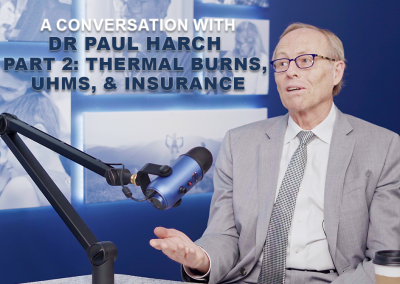
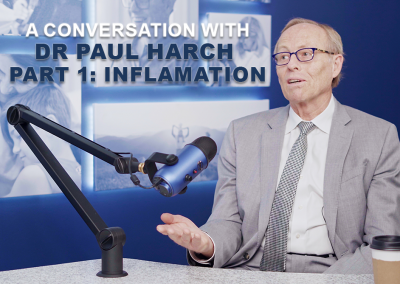

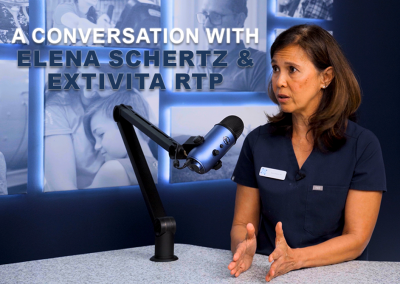
Subscribe Now, It’s Free !
Recent HBOT News
Clinical Trial – One vs. Three Hyperbaric Oxygen Treatments for Acute Carbon Monoxide Poisoning
This randomized trial will investigate important clinical outcomes of patients with acute
carbon monoxide poisoning randomized to receive either one or three hyperbaric oxygen
treatments.
Hyperbaric oxygen in traumatic brain injury.
Abstract: This critical literature review examines historical and current investigations on the efficacy and mechanisms of hyperbaric oxygen (HBO) treatment in traumatic brain injury (TBI). Potential safety risks and oxygen toxicity, as well as HBO's future potential,...
Hyperbaric oxygenation in fluid microembolism.
Because clinicians require objectively demonstrable neurological deficits to confirm a diagnosis, the recognition of embolic events in the nervous system is generally restricted to the effects of ischemic necrosis produced by arterial occlusion. However, magnetic resonance imaging (MRI) has shown that lesser degrees of damage associated with small emboli are common, especially in the mid brain, and are usually clinically silent. They are frequently associated with atheromatous embolism in the elderly, but microembolic debris, such as fat, is common in the systemic venous return of healthy people and generally trapped in the microcirculation of the lung being removed by phagocytosis. However, pulmonary filtration may fail and microemboli may also pass through an atrial septal defect in so-called ‘paradoxical’ embolism. Studies of bubbles formed on decompression in diving have demonstrated the importance of pulmonary filtration in the protection of the nervous system and that filtration is size dependant, as small bubbles may escape entrapment. Fluid and even small solid emboli, arresting in or passing through the cerebral circulation, do not cause infarction, but disturb the blood-brain barrier inducing what has been termed the ‘perivenous syndrome’.