
HBOT Conversations:
Join us for interviews with researchers, practitioners, industry experts, and patients to share their stories, successes, and expertise relative to hyperbaric oxygen therapy
Subscribe. Join the discussion. Share the hope.
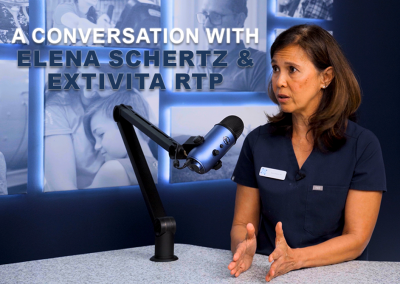
Listen to or Watch the HBOT Conversations Podcast
Listen to the HBOT Converstations podcast by downloading it from your favorite podcasting platform or scroll down and watch an episode here on the HBOT News website:


Watch the HBOT Conversations Podcast






Subscribe Now, It’s Free !
Recent HBOT News
Clinical Trial – A Controlled Trial of the Clinical Effects of Hyperbaric Therapy in Autistic Children
Autism is a neurodevelopmental disorder currently affecting as many as 1 out of 166 children
in the United States. Autism is considered by many to be a permanent condition with little
hope for improvement. Treatment for autism is centered on special schooling and behavioral
therapy; medical science currently has little to offer. Recent research has discovered that
some autistic individuals have decreased blood flow to the brain, evidence of
gastrointestinal and brain inflammation, increased markers of oxidative stress, and a
relative mitochondrial dysfunction. Hyperbaric oxygen therapy (HBOT) can compensate for
decreased blood flow by increasing the oxygen content of plasma and body tissues and can even
normalize oxygen levels in ischemic tissue. In addition, animal studies have shown that HBOT
has potent anti-inflammatory effects and reduces oxidative stress. Furthermore, recent
evidence demonstrates that HBOT increases the production of mitochondria and mobilizes stem
cells from human bone marrow, which may aid recovery in neurodegenerative diseases. Based
upon these findings, it is hypothesized that HBOT will improve symptoms in autistic
individuals.
Our recent retrospective case series demonstrated that HBOT may improve symptoms in autistic
children. We recently completed a prospective pilot trial using HBOT in 18 children which
demonstrated significant clinical improvements in autistic children on several standardized
scales. Most of the scales were parent-rated, although some were rated by teachers. However,
parents were not blinded to the fact that their children received HBOT and evaluation of the
children was through parent-rated scales, either of which could lead to bias. There was no
placebo or control group. Therefore, the improvements found in this prospective study could
have been due merely to chance or the natural development of the children. To determine if
HBOT improves symptoms in autistic children, a double-blind controlled study is needed.
[Transcutaneous oxygen tension in hyperbaric condition as a predictor of ischaemia in non-healing diabetic foot ulcers].
Abstract: The aim of the study was to evaluate the contribution of basal and modify transcutaneous oxygen tension measurement (TcpO2) to diagnosis of ischaemia and indication of angiography in non-healing diabetes foot ulcers: 69 patients with non-healing diabetic...
The effect of hyperbaric oxygen therapy on tumour growth in a mouse model of colorectal cancer liver metastases.
Abstract: Hyperbaric oxygen (HBO) therapy involves the administration of 100% oxygen at high pressure. It has been used to treat a variety of conditions including non-healing wounds, carbon monoxide poisoning, and as an adjuvant to radiotherapy or chemotherapy. The...