HBOT Conversations:

Join us for interviews with researchers, practitioners, industry experts, and patients to share their stories, successes, and expertise relative to hyperbaric oxygen therapy

Subscribe. Join the discussion. Share the hope.


Listen to or Watch the HBOT Conversations Podcast

Listen to the HBOT Converstations podcast by downloading it from your favorite podcasting platform or scroll down and watch an episode here on the HBOT News website:

Watch the HBOT Conversations Podcast
Laurie Anderson – Healing COVID with HBOT (Part 3)

Laurie Anderson – Healing COVID with HBOT (Part 3)

Laurie Anderson – Healing COVID with HBOT (Part 2)

Laurie Anderson – Healing COVID with HBOT (Part 2)

Laurie Anderson – Healing COVID with HBOT (Part 1)

Laurie Anderson – Healing COVID with HBOT (Part 1)

Tom Fox (Part 2)

Tom Fox (Part 2)

Tom Fox (Part 1)

Tom Fox (Part 1)

Elena Schertz & Tom Fox (Part 5)

Elena Schertz & Tom Fox (Part 5)

Elena Schertz & Tom Fox (Part 4)

Elena Schertz & Tom Fox (Part 4)

Elena Schertz & Tom Fox (Part 3)

Elena Schertz & Tom Fox (Part 3)

Elena Schertz & Tom Fox (Part 2)

Elena Schertz & Tom Fox (Part 2)

Elena Schertz & Tom Fox (Part 1)

Elena Schertz & Tom Fox (Part 1)

Dr. Jay Stevens  – Optimizing Health & Longevity

Dr. Jay Stevens – Optimizing Health & Longevity

Evan Fernandez – Warriors on the Water

Evan Fernandez – Warriors on the Water

Dr. Jay Stevens  – Head Injuries

Dr. Jay Stevens – Head Injuries

Jim Hooker – HBOT for Vets (Part 2)

Jim Hooker – HBOT for Vets (Part 2)

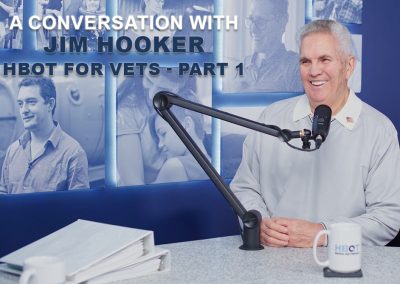
Jim Hooker – HBOT for Vets (Part 1)

Jim Hooker – HBOT for Vets (Part 1)

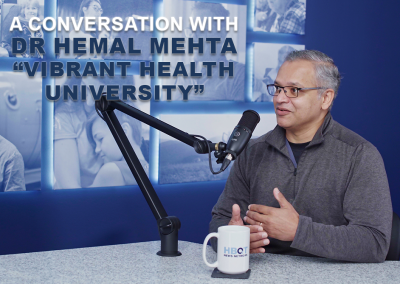
Dr. Hemal Mehta & Vibrant Health University

Dr. Hemal Mehta & Vibrant Health University

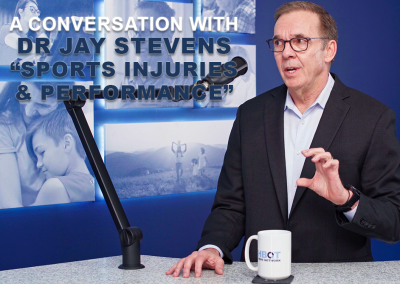
Dr. Jay Stevens  – Sports-Related Injuries & Performance Enhancement

Dr. Jay Stevens – Sports-Related Injuries & Performance Enhancement

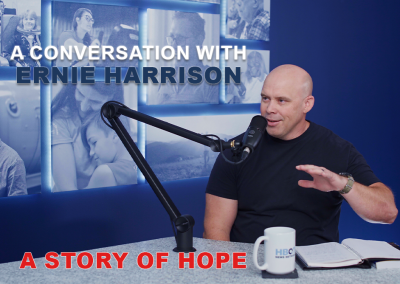
Ernie Harrison: Veteran with PTSD & TBI

Ernie Harrison: Veteran with PTSD & TBI

Dr. Hemal Mehta & Regenerative Medicine

Dr. Hemal Mehta & Regenerative Medicine

Dr. Hemal Mehta & Fasting (Part 2)

Dr. Hemal Mehta & Fasting (Part 2)

Dr. Hemal Mehta & Fasting (Part 1)

Dr. Hemal Mehta & Fasting (Part 1)

Dr. Jay Stevens – “Learn The Right Fast”

Dr. Jay Stevens – “Learn The Right Fast”

Dr. Peter Canaday (Part 2)

Dr. Peter Canaday (Part 2)

Dr. Peter Canaday (Part 1)

Dr. Peter Canaday (Part 1)

Dr. Paul Harch & Viral / Bacterial Infections

Dr. Paul Harch & Viral / Bacterial Infections

Dr. Paul Harch & 8,101 Genes

Dr. Paul Harch & 8,101 Genes

Dr. Paul Harch & Autism

Dr. Paul Harch & Autism

Dr. Paul Harch & Strokes

Dr. Paul Harch & Strokes

Dr. Paul Harch & Birth Injuries/ Cerebral Palsy

Dr. Paul Harch & Birth Injuries/ Cerebral Palsy

Dr. Paul Harch & The Science Behind the Practice

Dr. Paul Harch & The Science Behind the Practice

Dr. Paul Harch & TBI

Dr. Paul Harch & TBI

Dr. Paul Harch & Thermal Burns

Dr. Paul Harch & Thermal Burns

Dr. Paul Harch & Inflammation

Dr. Paul Harch & Inflammation

Robert Beckman & TreatNow.org

Robert Beckman & TreatNow.org

Elena Schertz & Extivita RTP

Elena Schertz & Extivita RTP

Subscribe Now, It’s Free !

Name(Required)

Recent HBOT News

Clinical Trial – Acute Postthoracotomy Pain – Impact of Gender

Adequate analgesia in thoracic surgery is essential to prevent severe postoperative
complications, especially respiratory problems. Current knowledge about gender-related
differences in pain states generally more frequent and intense pain and more demand for
analgesics in women. Results about postsurgical pain in particular are very inconclusive.

The investigators tried to find out if gender has an influence on postthoracotomy pain and
analgesics requirement.

Functional Medicine Approach to Traumatic Brain Injury.

Background: The U.S. military has seen dramatic increases in traumatic brain injuries (TBIs) among military personnel due to the nature of modern-day conflicts. Conventional TBI treatment for secondary brain injuries has suboptimal success rates, and patients, families, and healthcare professionals are increasingly turning to alternative medicine treatments. Objective: Effective treatments for the secondary injury cascades that occur after an initial brain trauma are unclear at this time. The goal of successful treatment options for secondary TBI injuries is to reduce oxidative stress, excitotoxicity, and inflammation while supporting mitochondrial functions and repair of membranes, synapses, and axons.