
HBOT Conversations:
Join us for interviews with researchers, practitioners, industry experts, and patients to share their stories, successes, and expertise relative to hyperbaric oxygen therapy
Subscribe. Join the discussion. Share the hope.
Listen to or Watch the HBOT Conversations Podcast
Listen to the HBOT Converstations podcast by downloading it from your favorite podcasting platform or scroll down and watch an episode here on the HBOT News website:


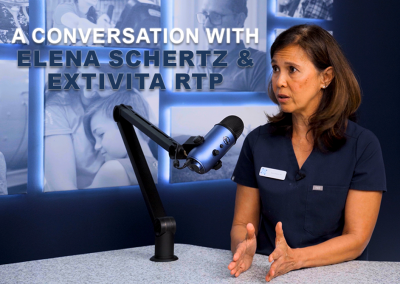
Watch the HBOT Conversations Podcast






















Subscribe Now, It’s Free !
Recent HBOT News
Frequency and clinical impact of preoperative circulating tumor cells in resectable non-metastatic lung adenocarcinomas.
Abstract: Despite successful surgery, 30-50% of patients with resectable non-small cell lung cancer develop tumor recurrence within 5 years of surgery. In this prospective study, we performed CTC enumerations in 40 patients with non-metastatic lung adenocarcinoma...
Clinical Trial – Fixed Dose Spinal Bupivacaine for Cesarean Delivery
The study is designed to compare the effectiveness of spinal anesthesia performed with fixed
dose of hyperbaric bupivacaine regardless of patient’s height and weight and anesthesia with
the dose of bupivacaine that is adjusted to their height. Our clinical experience shows that
spinal anesthesia using specific, relatively high dose of hyperbaric bupivacaine combined
with opioid is very effective, regardless of parturient’s weight and height, provides very
good surgical conditions and assures patient’s comfort while the rate of anesthesia – related
complications is similar or less. Therefore, using height-adjusted protocols, although
preferred in some centres, might not be necessary in order to provide good anaesthesia for
cesarean delivery. Fixed dose regimen may have some additional advantages in obstetric
anesthesia settings, as many of cesareans are performed out of hours, giving less room for
mistakes in less experienced hands.
Two groups of parturients undergoing cesarean section are to be compared: anesthetized with
fixed-dose regimen (intervention group) and anesthetized with height-adjusted dose regimen
(control group). Patients are going to be randomized to one of the above groups, two
anesthetists will be involved in anesthetic procedure: anesthetist that looks after the
patient throughout the procedure will be blinded to the dose of anesthetic given
intrathecally. Therefore his judgment of anesthetic effectiveness is not going to be biased
and all patients will receive the same perioperative care in terms of fluid therapy,
management of possible anesthesia – related complications and postoperative pain control.
Rate of effective spinal anesthetics, defined as adequate block level and no need for
additional intraoperative analgesia has been established as primary outcome measure.
Secondary outcome measures are rate of complications and amount of opioids used
postoperatively. These are going to be statistically compared.
Clinical Trial – a Small Dose of Naloxone,Minimize Intrathecal Morphine Side Effects
I.V naloxone decreases incidence and severity of the common morphine side effects (pruritis,
nausea/emesis, constipation, urinary retention, respiratory depression and undesirable
sedation) so using it as additive to intrathecal morphine in patients undergoing anal
surgeries under spinal anesthesia may be beneficail