
HBOT Conversations:
Join us for interviews with researchers, practitioners, industry experts, and patients to share their stories, successes, and expertise relative to hyperbaric oxygen therapy
Subscribe. Join the discussion. Share the hope.
Listen to or Watch the HBOT Conversations Podcast
Listen to the HBOT Converstations podcast by downloading it from your favorite podcasting platform or scroll down and watch an episode here on the HBOT News website:


Watch the HBOT Conversations Podcast












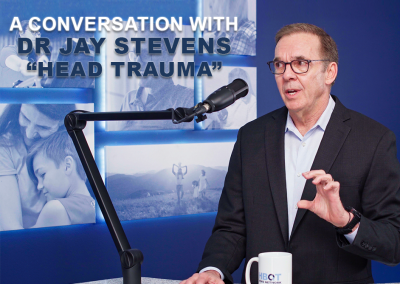
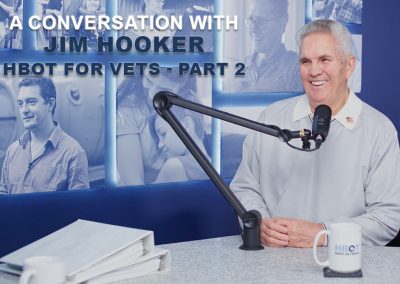
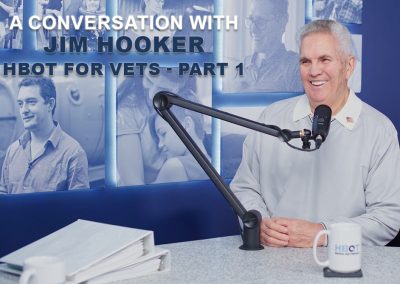
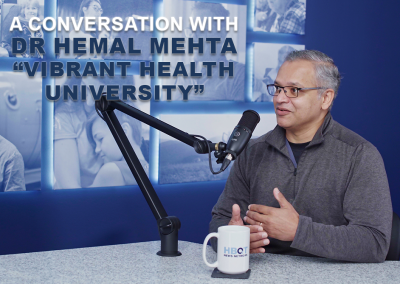
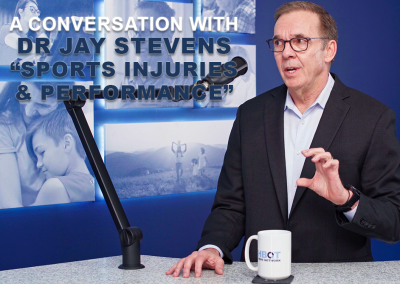

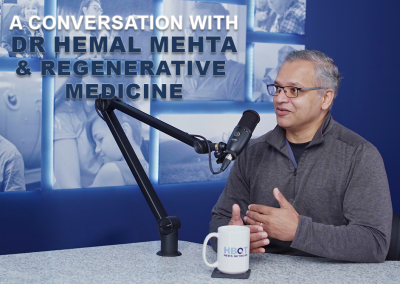
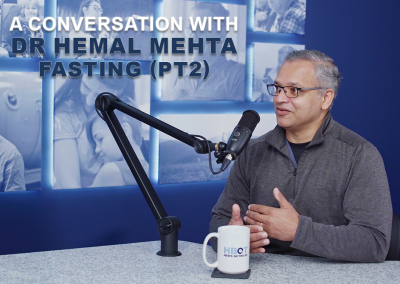
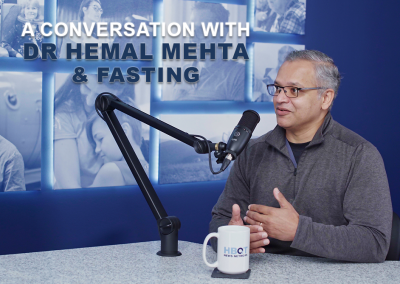



Subscribe Now, It’s Free !
Recent HBOT News
Subcellular Energetics and Metabolism: Potential Therapeutic Applications.
Abstract: Part I of this review discussed the similarities between embryogenesis, mammalian adaptions to hypoxia (primarily driven by hypoxia-inducible factor-1 [HIF-1]), ischemia-reperfusion injury (and its relationship with reactive oxygen species), hibernation,...
HOPON (Hyperbaric Oxygen for the Prevention of Osteoradionecrosis): a randomised controlled trial of hyperbaric oxygen to prevent osteoradionecrosis of the irradiated mandible: study protocol for a randomised controlled trial.
Abstract: Osteoradionecrosis of the mandible is the most common serious complication of radiotherapy for head and neck malignancy. For decades, hyperbaric oxygen has been employed in efforts to prevent those cases of osteoradionecrosis that are precipitated by dental...
Clinical Trial – Dexmedetomidine and Laparoscopic Surgery
Conventionally General anaesthesia remains the choice for the majority of open abdominal
surgical procedures, and regional anaesthesia is preferred only for patients who are at high
risk under general anaesthesia . The main reason for selecting spinal anaesthesia as the
first choice for laparoscopic cases was its advantages over general anaesthesia which include
uniform total muscle relaxation, a conscious patient, economical, relatively uneventful
recovery, pain free early postoperative period and the protection from potential
complications of general anaesthesia. The main debatable point, however, seems to be the
status of respiratory parameters among the two modes of anaesthesia during laparoscopic
surgery. In this context it can be stated that spontaneous physiological respiration during
spinal anaesthesia would always be better than an assisted respiration as in general
anaesthesia.
The pneumo-peritoneum induced rise in intra-abdominal pressure including pressure on the
diaphragm and carbon dioxide induced peritoneal irritation are the factors to be considered