
HBOT Conversations:
Join us for interviews with researchers, practitioners, industry experts, and patients to share their stories, successes, and expertise relative to hyperbaric oxygen therapy
Subscribe. Join the discussion. Share the hope.
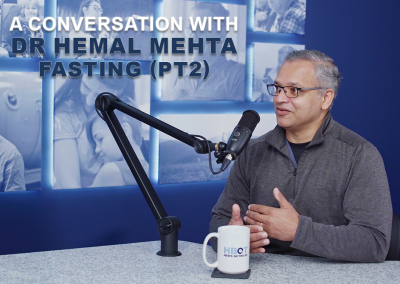
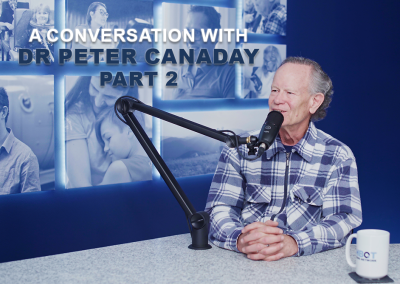
Listen to or Watch the HBOT Conversations Podcast
Listen to the HBOT Converstations podcast by downloading it from your favorite podcasting platform or scroll down and watch an episode here on the HBOT News website:


Watch the HBOT Conversations Podcast

































Subscribe Now, It’s Free !
Recent HBOT News
A technical diving-related burns case: treatment in a remote location.
Abstract: Injuries suffered as a result of a rebreather oxygen explosion and fire occurred to a diver on vacation in the island state of Chuuk, Micronesia. The medical and logistical management of the diver in a remote location are described. The mechanism of both the...
Clinical Trial – Spinal Marginally Hyperbaric Ropivacaine for Cesarean Delivery
BACKGROUND: One previous study has confirmed that the marginally hyperbaric solutions of
bupivacaine can maintain good quality of anesthesia and get a more steadily hemodynamic
status than commonly hyperbaric solutions, some authors confirmed the plain ropivacaine for
cesarean section have a higher failure rate and commonly hyperbaric solutions of ropivacaine
have a higher incidence of side reaction. It is unclear what the efficacy of spinal
marginally hyperbaric ropivacaine for elective cesarean delivery.We hypothesized that the
marginally hyperbaric ropivacaine will get a similar efficacy to commonly hyperbaric
solutions but a more steadily hemodynamic status.
OBJECTIVE In this prospective, randomized, double-blinded study, Investigator will compare
the clinical efficacy and adverse effect of spinal anesthesia with commonly hyperbaric and
marginally hyperbaric ropivacaine for elective cesarean delivery.
Main outcome measures: The maximum cephalad sensory block level; the change of continuous
cerebral oxygen desaturation (ScO2) over time; the incidence of hypotension and nausea and
vomiting; the change of invasive arterial pressure; the consumption of ephedrine; the
incidence of shivering; the onset time to T8 dermatome; the quality of anesthesia (efficacy
of motor block and sensory block)
Clinical Trial – Comparison of Regional Anesthesia Techniques After Total Knee Arthroplasty
Comparison of continuous adductor canal block to continuous femoral nerve block in patients
after total knee arthroplasty.
All patients will be anesthetized with spinal anesthesia. Continuous infusion of ropivacaine
with a catheter implemented to the adductor canal or next to the femoral nerve.
The observed goals: pain intensity, the beginning and quality of rehabilitation.