
HBOT Conversations:
Join us for interviews with researchers, practitioners, industry experts, and patients to share their stories, successes, and expertise relative to hyperbaric oxygen therapy
Subscribe. Join the discussion. Share the hope.
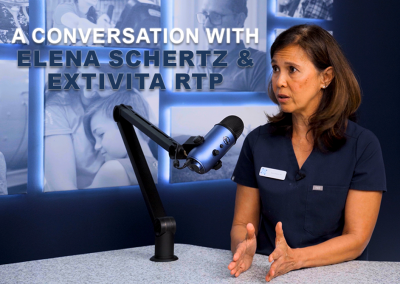
Listen to or Watch the HBOT Conversations Podcast
Listen to the HBOT Converstations podcast by downloading it from your favorite podcasting platform or scroll down and watch an episode here on the HBOT News website:


Watch the HBOT Conversations Podcast














Subscribe Now, It’s Free !
Recent HBOT News
Differences in Cognitive Function of Rats with Traumatic Brain Injuries Following Hyperbaric Oxygen Therapy.
Abstract: BACKGROUND Hyperbaric oxygen (HBO) is a historical therapeutic option in the treatment of various types of brain damage. At present, clinical treatment of hypoxic-ischemic injury is giving priority to cognitive training. The effects of HBO on cognitive...
Clinical Trial – Hyperbaric Bupivacaine Versus Hyperbaric Prilocaine 2% for Cesarean Section Under Spinal Anesthesia
Over the past 15 years, cesarean delivery is most commonly performed under spinal anesthesia
using hyperbaric bupivacaine which provides an adequate sensory and motor block. Despite
effective surgical anesthesia, bupivacaine is associated with long duration motor block and
dose-dependent maternal hypotension potentially harmful for the fetus. Prilocaine with its
new 2% hyperbaric formulation (HP), developed recently, showed rapid onset of action and
faster regression of motor block compared to other local anesthetics without noteworthy
side-effects when used intrathecally. The aim of this randomized, multicenter, powered
clinical trial is to investigate whether HP may be an efficient alternative to hyperbaric
bupivacaine for scheduled caesarean delivery under spinal anesthesia, with more rapid
rehabilitation and less adverse effects. Our hypothesis is that hyperbaric prilocaine offers
shorter motor block and more rapid rehabilitation than bupivacaine.
Hyperbaric Oxygen Therapy Effects on Chronic Wounds.
Abstract: Bolton, , , , , , , , (2015). Hyperbaric Oxygen Therapy Effects on Chronic Wounds. Wounds : a compendium of clinical research and practice, 2015 Dec;27(12):354-5. https://www.ncbi.nlm.nih.gov/pubmed/27447108