
HBOT Conversations:
Join us for interviews with researchers, practitioners, industry experts, and patients to share their stories, successes, and expertise relative to hyperbaric oxygen therapy
Subscribe. Join the discussion. Share the hope.
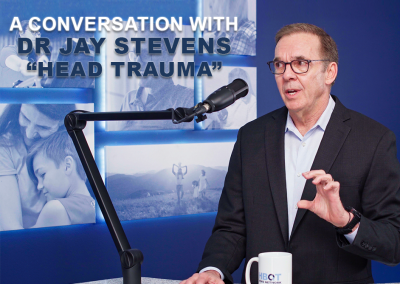
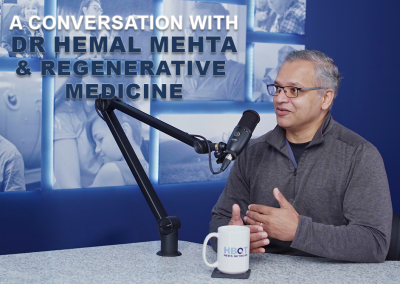
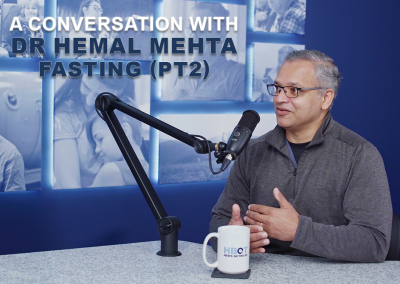
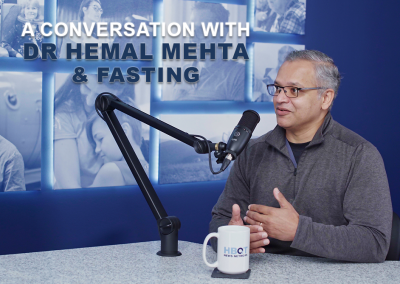
Listen to or Watch the HBOT Conversations Podcast
Listen to the HBOT Converstations podcast by downloading it from your favorite podcasting platform or scroll down and watch an episode here on the HBOT News website:


Watch the HBOT Conversations Podcast



























Subscribe Now, It’s Free !
Recent HBOT News
Clinical Trial – Comparative Study of the Analgesic Effect of Spinal Anesthesia or Infiltration Anesthesia for Hemorrhoidectomy
Background and Objectives: Postoperative analgesia and early recovery are relevant for
hospital discharge after hemorrhoidectomy. This study investigated the postoperative
analgesic effect with local infiltration compared with spinal block.
Methods: This randomized study included 40 patients aged 18 to 60 years old. Local group (LG)
received local infiltration under general anaesthesia; spinal group (SG) received a
subarachnoid block. LG received general anaesthesia with propofol, atracurium and propofol
infusion as well as a local infiltration of 20 ml 0.75% ropivacaine. SG received 2 ml of 0.5%
hyperbaric bupivacaine. Analgesic supplementation was with 50µg of fentanyl for LG and 1%
lidocaine for SG. There were assessed: postoperative pain intensity, sphincter relaxation,
motor blockade of lower limbs, time to discharge, analgesic dose over 1 week and adverse
effects.
Clinical Trial – Spinal Anesthesia Associated With General Anesthesia in Coronary Artery Bypass
CONTEXT: In patients eligible for coronary artery bypass surgery, anesthesia should provide a
number of conditions that exceed the limits of cardiovascular stability, myocardial
protection and other organs. Moreover, the combination of general anesthesia and spinal
anesthesia lessens the homeostatic, metabolic, hormonal and immunosuppressive changes. The
goal of this research was to evaluate the consumption of fentanyl citrate in intra-operative
in Coronary Artery Bypass Grafting (CABG) surgery with cardiopulmonary bypass under spinal
anesthesia associated with general anesthesia.
METHODS: Clinical, prospective, randomized and double covered study, approved by the Research
Ethics Committee. Fifty-six patients candidates for CABG with CPB, after signing the Terms of
consent, were randomized and divided into two groups: GI – General and GII – General +
subarachnoid. General anesthesia was induced according to the weight of each patient and
maintenance with isoflurane and fentanyl. Spinal anesthesia was induced with 20 mg of 0.5%
hyperbaric bupivacaine and 200 mcg of morphine, the patient is placed in cephalo-position
slope of 45 degrees for 10 minutes in Group II. In the statistical study was performed using
the Mann-Whitney test; the level of statistical significance was set at 5%.
Deep tissue biopsy vs. superficial swab culture, including microbial loading determination, in the microbiological assessment of Skin and Soft Tissue Infections (SSTIs).
Abstract: Thirty-two patients affected by SSTIs including DFIs were enrolled between 2013 and 2014. Superficial swab was obtained before and after cleansing with sterile saline, and after ultrasonic debridement; deep tissue biopsy was obtained from ulcer base. Samples...