
HBOT Conversations:
Join us for interviews with researchers, practitioners, industry experts, and patients to share their stories, successes, and expertise relative to hyperbaric oxygen therapy
Subscribe. Join the discussion. Share the hope.
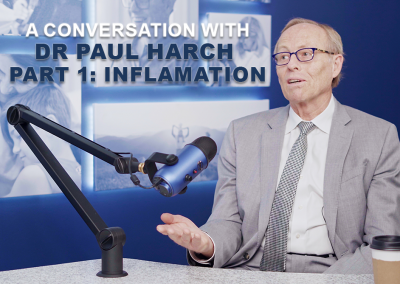
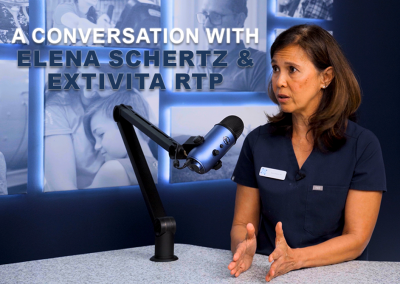
Listen to or Watch the HBOT Conversations Podcast
Listen to the HBOT Converstations podcast by downloading it from your favorite podcasting platform or scroll down and watch an episode here on the HBOT News website:


Watch the HBOT Conversations Podcast
















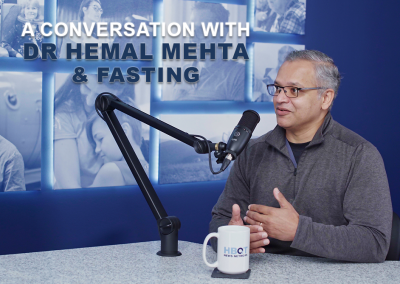

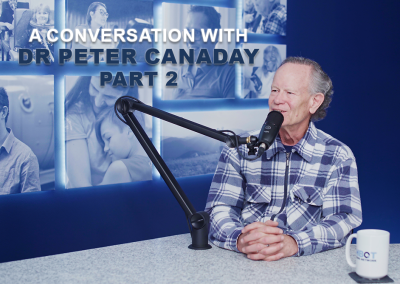
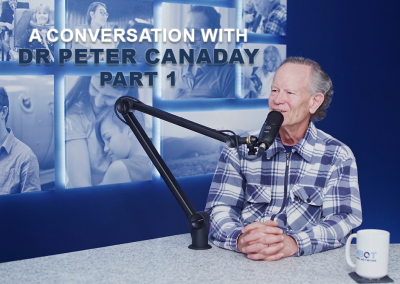




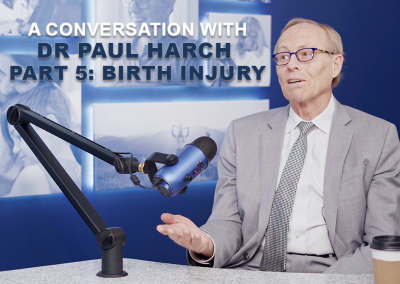




Subscribe Now, It’s Free !
Recent HBOT News
Clinical Trial – Quality of Recovery After General or Spinal Anesthesia for Inguinal Hernia Repair
Different anesthetic techniques have been proposed for carrying out Inguinal hernia repair,
including local anesthesia, regional and general. There are no recent data on the application
of a validated questionnaire to assess which anesthetic technique, local infiltration under
general anesthesia or spinal anesthesia, would provide better quality of recovery in the
opinion of the patients undergoing inguinal hernia repair. The aim of the study is to perform
a randomized clinical trial comparing the quality of recovery (QoR-40) after local
infiltration under general anesthesia via laryngeal mask (LMA) or spinal anesthesia for
unilateral inguinal hernia repair. METHODS – Seventy patients aged 18 to 65 years old, who
were scheduled to undergo unilateral inguinal hernia repair at Santa Lucinda Hospital will be
enrolled in the study. The anesthesia will be performed according to the following sequence:
L Group – intravenous (I.V.) propofol and alfentanyl, followed by LMA positioning. The
anesthesia will be maintained by propofol. For local anesthesia, approximately 50 ml of 0.5%
ropivacaine will be infiltrated along the line of incision in the subcutaneous plane,
followed by peripheral nerve block technique (e.g., ilioinguinal-hypogastric nerve block) and
local wound infiltration at the fascial level. S Group – spinal puncture followed by
intrathecal 15 mg of 0.5% hyperbaric bupivacaine injection and sedation with propofol by
continuous infusion. Pain will be assessed every 15 minutes at Post-anesthesia Care Unit
(PACU) using a 0-10 numeric pain rating scale and I.V. morphine will be administered to
maintain the pain score below 4. The QoR-40 will be administered by a blind investigator 24
hours after surgery.
Clinical Trial – Fascia Iliaca Compartment Block for Proximal-end Femur Fractures
Fracture femur is a common injury which is associated with excruciating pain. Positioning for
neuraxial blocks is always challenging because even slight overriding of the fracture ends is
intensely painful .It can causing major patient distress which accompanied by well-known
physiological sequelae such as sympathetic activation causing tachycardia, hypotension, and
increased cardiac work that may compromise high-risk cardiac patients.
Fascia iliaca compartment block is highly effective in blocking lateral cutaneous nerve of
the thigh and femoral nerve. Fascia iliaca compartment block is not only easy to perform but
it is also associated with minimal risk as the local anesthetic is injected at a safe
distance from the femoral artery and femoral nerve. It is always safe to perform the fascia
iliaca compartment block prior to spinal anesthesia as the patient can respond during
administration of the local anesthetic and can prevent intra-neuronal injections
MicroRNA-148b is a potential prognostic biomarker and predictor of response to radiotherapy in non-small-cell lung cancer.
Abstract: miR-148b has been found to be aberrantly expressed in various tumor types. It has recently been reported to be involved in regulating radioresistance in non-small cell lung cancer (NSCLC) cells. However, its expression level and association with...