
HBOT Conversations:
Join us for interviews with researchers, practitioners, industry experts, and patients to share their stories, successes, and expertise relative to hyperbaric oxygen therapy
Subscribe. Join the discussion. Share the hope.
Listen to or Watch the HBOT Conversations Podcast
Listen to the HBOT Converstations podcast by downloading it from your favorite podcasting platform or scroll down and watch an episode here on the HBOT News website:


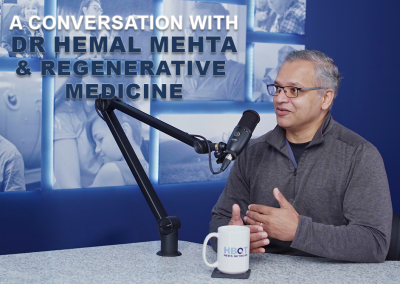
Watch the HBOT Conversations Podcast


































Subscribe Now, It’s Free !
Recent HBOT News
Rehabilitation of the patients with osteoarthritis.
Under the term “osteoarthritis” (OA) is currently meant a clinical syndrome resulting from the combined effect of articular pain and disordered functional activity leading to the deterioration of the quality of life of the patients. The principal objective of rehabilitation of the patients presenting with GA in which all patients with this condition are in need practically after each next aggravation of the pathological process is to relive pain syndrome and restore the functional ability of the joints lost or deteriorated after each exacerbation in order to eventually improve the quality of life of the patients experiencing the constantly progressing degenerative process in the musculoskeletal system.
A rare case of primary necrotising fasciitis of the breast: combined use of hyperbaric oxygen and negative pressure wound therapy to conserve the breast. Review of literature.
Abstract: Necrotising fasciitis is a rare but potentially fatal disease. It is even more unusual as a primary disease of the breast. Surgical treatment is required in order to gain control over the spreading infection and mastectomy is reported to be the most common...
Clinical Trial – Hyperbaric Oxygen Therapy for Hematopoietic Progenitor Cell Collection in Poor Mobilizers
This is a pilot study to evaluate the efficacy of hyperbaric oxygen therapy (HBO2) for
mobilizing hematopoietic progenitor cells from bone marrow to blood. These cells are needed
for patients to undergo bone marrow transplantation and some patients fail to respond to
current best chemotherapy. HBO2 has been shown to trigger stem cell mobilization in other
patient populations and we plan to investigate whether this intervention can act in concert
with chemotherapeutic agents to allow poor mobilizer patients to achieve successful bone
marrow transplantation. Twenty patients will be identified by participating hematologists who
have failed to respond adequately to chemotherapy. When it is deemed appropriate to attempt
an additional stem cell mobilization protocol, these patients will be administered
chemotherapy as determined by their primary treating hematologist and additionally receive
daily HBO2 (2.5 atmospheres absolute [ATA] for 90 minutes) for 3-8 days. At intervals, blood
samples will be obtained as is the normal transplantation protocol practice to assess whether
adequate stem cells are present in blood for the patient to proceed with transplantation. The
project is anticipated to take one year to complete.