
HBOT Conversations:
Join us for interviews with researchers, practitioners, industry experts, and patients to share their stories, successes, and expertise relative to hyperbaric oxygen therapy
Subscribe. Join the discussion. Share the hope.
Listen to or Watch the HBOT Conversations Podcast
Listen to the HBOT Converstations podcast by downloading it from your favorite podcasting platform or scroll down and watch an episode here on the HBOT News website:


Watch the HBOT Conversations Podcast
















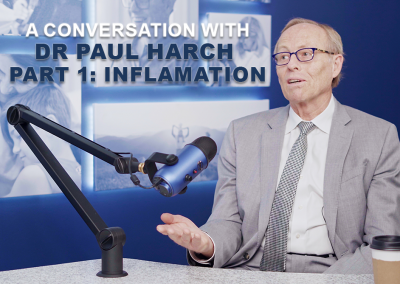

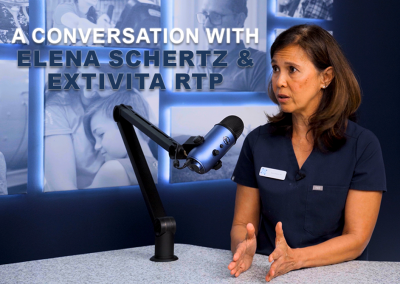
Subscribe Now, It’s Free !
Recent HBOT News
Determining the mechanisms underlying augmented renal drug clearance in the critically ill: use of exogenous marker compounds.
Abstract: The aim of this study was to explore changes in glomerular filtration (GFR) and renal tubular function in critically ill patients at risk of augmented renal clearance (ARC), using exogenous marker compounds. This prospective, observational pharmacokinetic...
Supraclavicular artery island flap reconstruction of a contralateral partial laryngopharyngeal defect.
Abstract: Oncologic resection of head and neck cancers often results in complex reconstructive problems that can require local, regional, or free flaps. Herein, we present a case of a 67-year-old female with a history of floor of mouth cancer who had a second primary...
Clinical Trial – Pain Relief After Colorectal Surgery: Spinal Combined With Painbuster® vs Painbuster® Alone.
Limiting surgical stress and managing postoperative pain are well understood to influence
recovery and outcome from major surgery for colorectal cancer and both are fundamental
aspects of enhanced recovery protocols.
Traditional approaches for dealing with these problems such as epidural or patient controlled
intravenous opioid analgesia are associated with problems that may be detrimental to
postoperative recovery and surgical outcome. As a result there is evidence in the literature
of increasing interest in alternative techniques such as intrathecal anaesthesia or
continuous wound infusion of local anaesthetic, however nobody has examined the effect of
combining the techniques or their impact on the surgical stress response.
We intend to compare patients undergoing major resections for colorectal cancer receiving
intrathecal anaesthesia in combination with a wound infusion of local anaesthetic with those
receiving a continuous wound infusion alone. We will examine the surgical stress response and
postoperative pain control in addition to objective measures of postoperative recovery.
We suggest that our approach will attenuate the surgical stress response and provide optimal
pain control that will ultimately translate in improved recovery and outcome following
surgery for colorectal cancer.