
HBOT Conversations:
Join us for interviews with researchers, practitioners, industry experts, and patients to share their stories, successes, and expertise relative to hyperbaric oxygen therapy
Subscribe. Join the discussion. Share the hope.
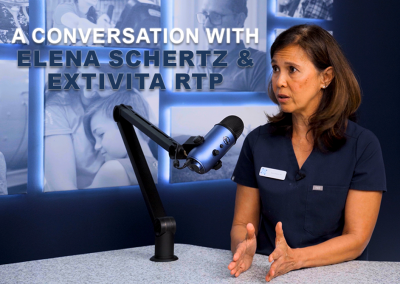
Listen to or Watch the HBOT Conversations Podcast
Listen to the HBOT Converstations podcast by downloading it from your favorite podcasting platform or scroll down and watch an episode here on the HBOT News website:


Watch the HBOT Conversations Podcast


















Subscribe Now, It’s Free !
Recent HBOT News
Hemodynamic impact of isobaric levobupivacaine versus hyperbaric bupivacaine for subarachnoid anesthesia in patients aged 65 and older undergoing hip surgery.
Abstract: The altered hemodynamics, and therefore the arterial hypotension is the most prevalent adverse effect after subarachnoid anesthesia. The objective of the study was to determine the exact role of local anesthetic selection underlying spinal anesthesia-induced...
Clinical Trial – Hyperbaric Oxygenation in Diabetic Ulcer
Hyperbaric oxygenation (HBO) involves breathing of 100% oxygen under elevated ambient
pressure. In correlation to the pressure level oxygen dissolves in the plasma resulting in an
increase of total oxygen in the body. The elevated tissue levels of oxygen may persist for
hours, instigating healing processes in wounds caused by disturbances in of perfusion in
small vessels, a condition often found in patient with diabetes.
We plan a prospective, double-blind randomized clinical study in 80 patients with chronic
diabetic ulcer. All will have optimum treatment of diabetes. The HBO group will be given HBO
at 2.4 bar, 90 min., 30 sessions, controls will have sham HBO. Routine wound care will be
identical in both groups. Before, during and after treatment (3, 6 and 12 months), a number
of monitoring and imaging procedures will be done, cells in the bloodstream indicating
improved healing will be determined.
Hypothesis: HBO will instigate the healing process in the majority of patients with chronic
diabetic leg ulcer, provided the patency of the large vessels is given.
Effects of hyperbaric oxygen on eye tracking abnormalities in males after mild traumatic brain injury.
The effects of hyperbaric oxygen (HBO2) on eye movement abnormalities in 60 military servicemembers with at least one mild traumatic brain injury (TBI) from combat were examined in a single-center, randomized, double-blind, sham-controlled, prospective study at the Naval Medicine Operational Training Center. During the 10 wk of the study, each subject was delivered a series of 40, once a day, hyperbaric chamber compressions at a pressure of 2.0 atmospheres absolute (ATA). At each session, subjects breathed one of three preassigned oxygen fractions (10.5%, 75%, or 100%) for 1 h, resulting in an oxygen exposure equivalent to breathing either surface air, 100% oxygen at 1.5 ATA, or 100% oxygen at 2.0 ATA, respectively. Using a standardized, validated, computerized eye tracking protocol, fixation, saccades, and smooth pursuit eye movements were measured just prior to intervention and immediately postintervention. Between and within groups testing of pre- and postintervention means revealed no significant differences on eye movement abnormalities and no significant main effect for HBO2 at either 1.5 ATA or 2.0 ATA equivalent compared with the sham-control. This study demonstrated that neither 1.5 nor 2.0 ATA equivalent HBO2 had an effect on postconcussive eye movement abnormalities after mild TBI when compared with a sham-control.