
HBOT Conversations:
Join us for interviews with researchers, practitioners, industry experts, and patients to share their stories, successes, and expertise relative to hyperbaric oxygen therapy
Subscribe. Join the discussion. Share the hope.
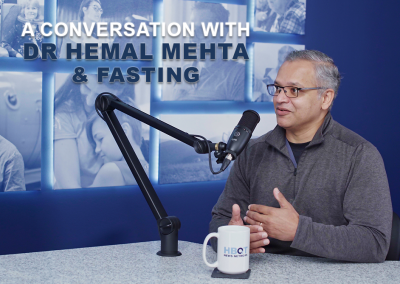
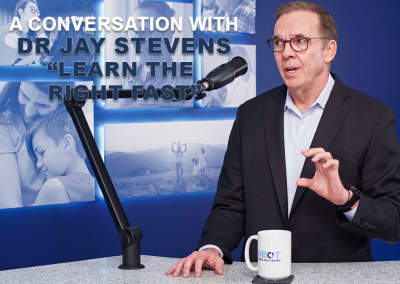
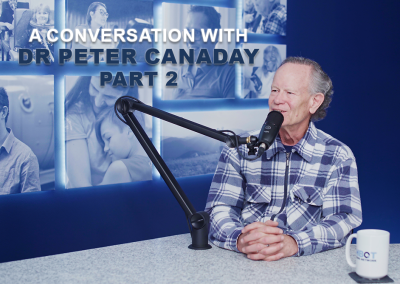
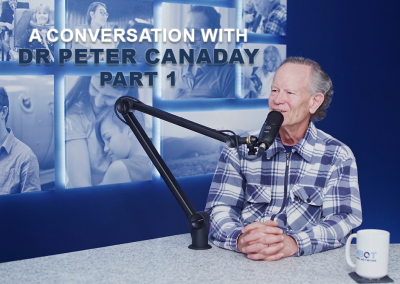
Listen to or Watch the HBOT Conversations Podcast
Listen to the HBOT Converstations podcast by downloading it from your favorite podcasting platform or scroll down and watch an episode here on the HBOT News website:


Watch the HBOT Conversations Podcast























Subscribe Now, It’s Free !
Recent HBOT News
Randomized, Sham-Controlled, Feasibility Trial of Hyperbaric Oxygen for Service Members With Postconcussion Syndrome: Cognitive and Psychomotor Outcomes 1 Week Postintervention.
Abstract: Background Mild traumatic brain injury (mTBI) and residual postconcussion syndrome (PCS) are common among combatants of the recent military conflicts in Iraq and Afghanistan. Hyperbaric oxygen (HBO2) is a proposed treatment but has not been rigorously...
Management of sport-related concussion: a review.
Abstract: To systematically review the evidence for rest, treatment, and rehabilitation after sport-related concussion. Nine databases including PubMed, Cochrane Central Register of Controlled Trials, Sport Discus, and Web of Science were searched for studies that...
Clinical Trial – Tranexamic Acid and Thromboelastography During Cesarean Delivery
The aim of this study is to characterize the coagulation changes, using thromboelastography
(TEG), after prophylactic tranexamic administration during cesarean delivery. Specifically,
TEG values will be compared in patients who receive prophylactic tranexamic acid or placebo
before surgery, during elective cesarean delivery, and 2 hours postpartum.
Postpartum hemorrhage (PPH) is increasing in incidence in the United States, renewing
interest in multimodal approaches to blood conservation during cesarean delivery.
Pharmacologic therapy with the antifibrinolytic agent, tranexamic acid (TA), has been shown
to reduce estimated blood loss (EBL) during cesarean delivery, but its effect on global
coagulation as assessed by TEG, and how this correlates with lowering blood loss, has not
been elucidated.
This study will be conducted as a randomized, double-blind, controlled trial with two study
arms: control (60 patients); and treatment (60 patients).
Subjects will be pre-medicated with routine pre-cesarean delivery medications including oral
sodium citrate 30 mL and intravenous (IV) metoclopramide 10 mg. A peripheral IV and
noninvasive hemoglobin monitor will be placed, and baseline labs sent: type and screen, serum
hemoglobin, platelet count, fibrinogen, activated partial thromboplastin time (aPTT),
prothrombin time (PT), and baseline TEG values (r time, k time, alpha angle, and maximum
amplitude). Patients will have blood pressure, heart rate, and pulse oximetry measured
throughout surgery as per standard of care. Patients will all receive IV lactated Ringers’
(LR) solution prior to surgery and throughout surgery, with volume recorded and a goal of
less than 2 L unless more IV fluid is clinically indicated. All patients will have a spinal
anesthetic as per standard of care, with hyperbaric bupivacaine 12 mg, fentanyl 10 μg, and
hydromorphone 100 μg. If the anesthetic plan is altered (combined spinal-epidural, general
anesthesia conversion, general anesthesia planned), indications and medication doses used
will be noted for analysis.
Immediately following induction of anesthesia and prior to skin incision, infusion of study
solution will be initiated.
Study solutions will consist of:
1. Control group: 100 mL 0.9% normal saline (NS).
2. Treatment group: 100 mL 0.9% NS containing 1g tranexamic acid (TA). Study solution will
be infused via an infusion pump over 10 minutes. Blood loss will be measured by visual
estimate and weight of surgical sponges. Noninvasive hemoglobin will be measured
throughout the study. All routine care lab values will be noted. At minimum, one lab
panel will be sent one hour after study solution initiation (hemoglobin, fibrinogen,
platelet count, aPTT, PT, and TEG).