
HBOT Conversations:
Join us for interviews with researchers, practitioners, industry experts, and patients to share their stories, successes, and expertise relative to hyperbaric oxygen therapy
Subscribe. Join the discussion. Share the hope.
Listen to or Watch the HBOT Conversations Podcast
Listen to the HBOT Converstations podcast by downloading it from your favorite podcasting platform or scroll down and watch an episode here on the HBOT News website:


Watch the HBOT Conversations Podcast


















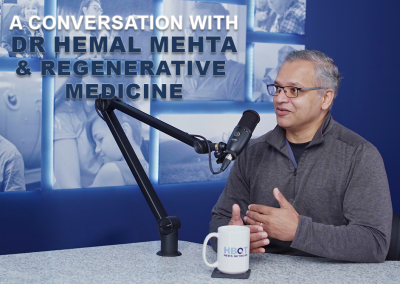
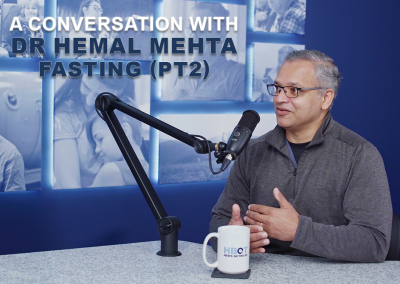
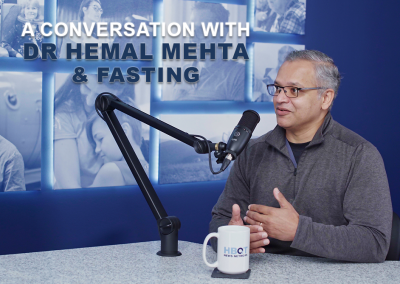

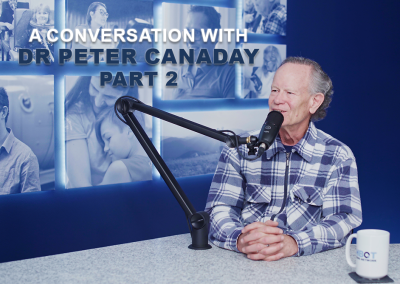










Subscribe Now, It’s Free !
Recent HBOT News
Clinical Trial – Selective Subarachnoid Anesthesia. Comparison of Hyperbaric Bupivacaine and Hyperbaric Prilocaine
Selective spinal anesthesia is widely used for ambulatory surgery. Unilateral spinal
anesthesia is a suitable option for ambulatory anesthesia as it is efficient and effective.
Lidocaine has been the well-known choice for this procedure. However, it is associated to
transient neurologic symptoms (TNS). Different anesthetic strategies for this procedure have
been performed, for example, the use of small doses of long-acting agents and the use of
additives such as opioids. The ideal local anesthetic should be lidocaine-like without risk
of transient neurologic symptoms. We design and plan a randomised clinical trial to show if
hyperbaric prilocaine 2% would be an alternative.
The autonomic effects of cardiopulmonary decompression sickness in swine using principal dynamic mode analysis.
Abstract: Methods to predict onset of cardiopulmonary (CP) decompression sickness (DCS) would be of great benefit to clinicians caring for stricken divers. Principal dynamic mode (PDM) analysis of the electrocardiogram has been shown to provide accurate separation of...
Hyperbaric oxygen therapy does not improve the effects of standardized treatment in a severe attack of ulcerative colitis: a prospective randomized study.
Complementary therapy options are needed in the treatment of active ulcerative colitis (UC). Hyperbaric oxygen therapy (HBOT) has been shown to have positive effects in experimental models of colitis and perianal Crohn’s disease. In the present prospective randomized open-label study, HBOT in addition to conventional medical treatment was compared with conventional treatment alone. The primary objective in this study was improved clinical outcome evaluated by Mayo score, laboratory tests and fecal weight. The secondary objectives were improvement in health-related quality of life, avoidance of colectomy and evaluation of HBOT safety. The authors found no statistically significant differences between the treatment groups in any of the assessed variables.