
HBOT Conversations:
Join us for interviews with researchers, practitioners, industry experts, and patients to share their stories, successes, and expertise relative to hyperbaric oxygen therapy
Subscribe. Join the discussion. Share the hope.
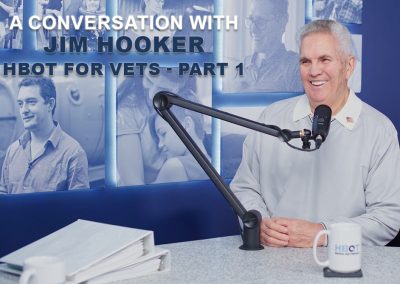
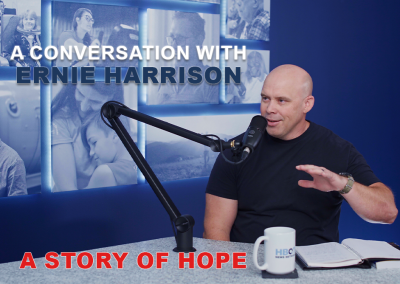
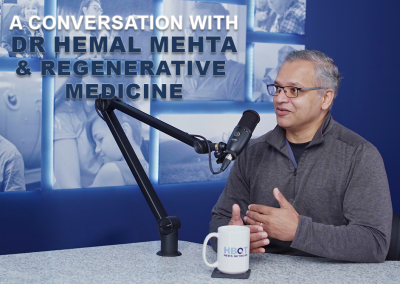
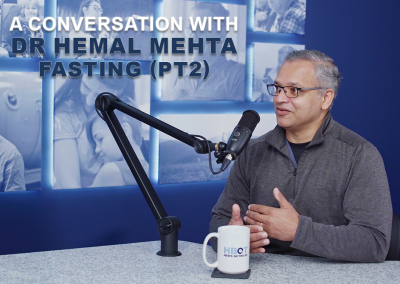
Listen to or Watch the HBOT Conversations Podcast
Listen to the HBOT Converstations podcast by downloading it from your favorite podcasting platform or scroll down and watch an episode here on the HBOT News website:


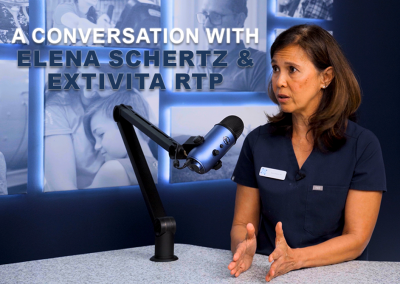
Watch the HBOT Conversations Podcast












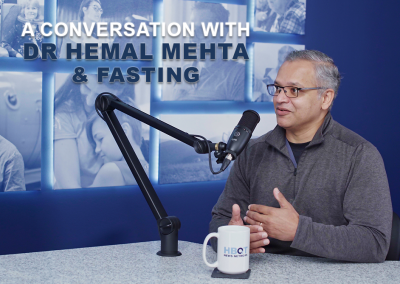

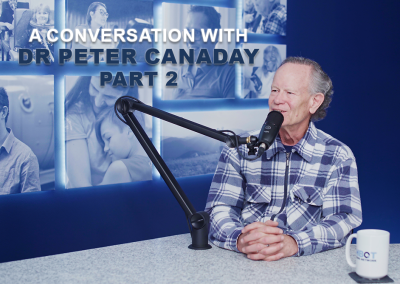
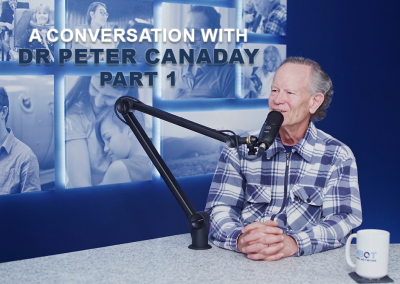
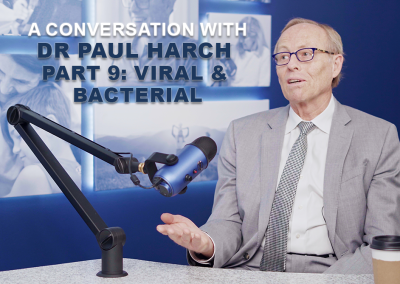

Subscribe Now, It’s Free !
Recent HBOT News
Cerebellar infarction presenting as inner ear decompression sickness following scuba diving: a case report.
Abstract: Inner ear decompression sickness following scuba diving is not uncommon and the characteristic features of this disorder are acute peripheral vestibular syndrome, sometimes associated with cochlear signs, requiring urgent hyperbaric oxygen therapy....
Clinical Trial – Hyperbaric Oxygen Stimulation for Patients With Brain Malignancies After Radiation Therapy.
Radiotherapy is the mainstay of treatment for brain malignancies and is associated with
significant neurotoxicity. Due to continuous increase in patient’s survival, the long term
risk for radiation-induced brain inflammation and necrosis inducing secondary cognitive
impairments are increasing concerns. Currently there is no effective treatment for preventing
long term radiation-induced brain damage.
Hyperbaric oxygen therapy (HBOT) is the administration of high oxygen concentrations within a
pressurized chamber to increase the cellular/mitochondrial delivery of oxygen. Oxygen
stimulation by HBOT has become the definitive therapy for radiation-induced damage to soft
tissues and bone due to its ability to stimulate healing processes by supplying the
energy/oxygen needed while down-regulating genes involved in inflammation. Oxygen stimulation
by HBOT is currently indicated for patients with overt radiation-induced neurotoxicity and
was proven to reduce further development of radiation damage while stimulating "idling"
neurons to return to function. Since HBOT is considered safe, we hypothesize that its
application following radiation, before the manifestation of neurological side effects, may
help avert development of early/delayed onset radiation-induced neurotoxicity.
In the proposed study, for the first time, HBOT will be applied early after radiation to
prevent the expected decrease in patients neurocognitive functions (NCF) and improve their
quality of life (QOL). The study is designed to provide statistically significant assessment,
in a prospective randomized clinical trial, of the effect of oxygen stimulation applied soon
after brain radiotherapy, for patients with primary and secondary brain tumors, on patients
QOL and NCF. In addition, advanced imaging methodologies will be applied to study the
feasibility of quantifying oxygen stimulation effects on the tumor and surrounding brain
tissue.
Successful treatment of rhino-orbital mucormycosis with posaconazole and hyperbaric oxygen therapy.
Abstract: Mucormycosis is a rare, but invasive infection caused by ubiquitous molds. Amphotericin B and surgery have been known to help improve the outcome. Sporadic case reports support the use of posaconazole in adults. We report a toddler with acute lymphoblastic...